

Paul Jones / Android Authority
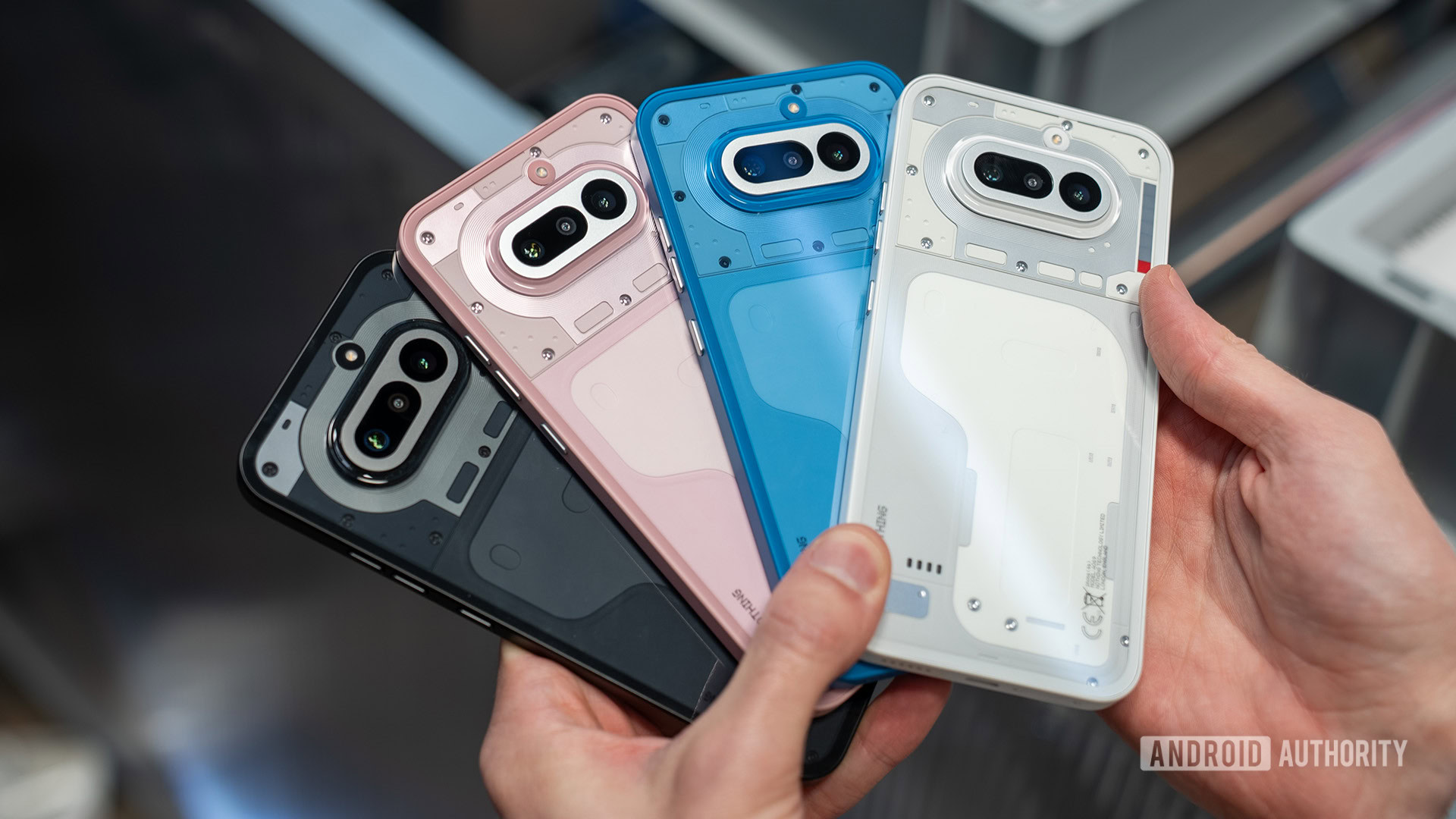
My colleague Adamya recently shared her first impressions of the Nothing Phone 4a, and spoiler alert, it’s a really good phone. With its unique design, simple (but useful) Glyph Bar, and decent overall specs, it’s a pretty compelling package for £349 — or a little over $470 in USD.
There’s just one problem with the Nothing Phone 4a: it isn’t available in the US. While you could go through the hassle of importing it, I wouldn’t recommend it. Not only because of the headaches that come with an international phone, but also because there are plenty of other excellent Android phones to choose from around that same price.
So, before you get too upset about not being able to buy the Nothing Phone 4a — or get too far down the rabbit hole looking to buy a UK model — here are five other Android phones you should buy instead.
What Android phone would you buy instead of the Nothing Phone 4a?
10 votes
Nothing Phone 4a Pro
As disappointing as the Nothing Phone 4a’s absence in the US might be, the good news is that its more powerful sibling — the Nothing Phone 4a Pro — is available in the country. Nothing’s release strategy here is a bit strange, but that’s OK, because the Pro is an excellent alternative to the base model.
The most obvious difference between the two phones is their design. The Pro ditches the all-transparent back in favor of a transparent camera island and Nothing’s Glyph Matrix secondary screen (which you can use to see the time, set timers, and more). The Nothing Phone 4a Pro also has a more capable Snapdragon 7 Gen 4 chip (compared to a Snapdragon 7s Gen 4 in the regular Nothing Phone 4a), a brighter display with a faster 144Hz refresh rate, and a slightly more durable IP65 rating instead of IP64.
Are these dramatic, game-changing upgrades? Not necessarily. But if you were hoping to get the Nothing Phone 4a, the Pro gives you basically the same experience and then some. Combine that with proper US availability and a $499 price tag, and it’s about as good an alternative to the Nothing Phone 4a as you’ll find.
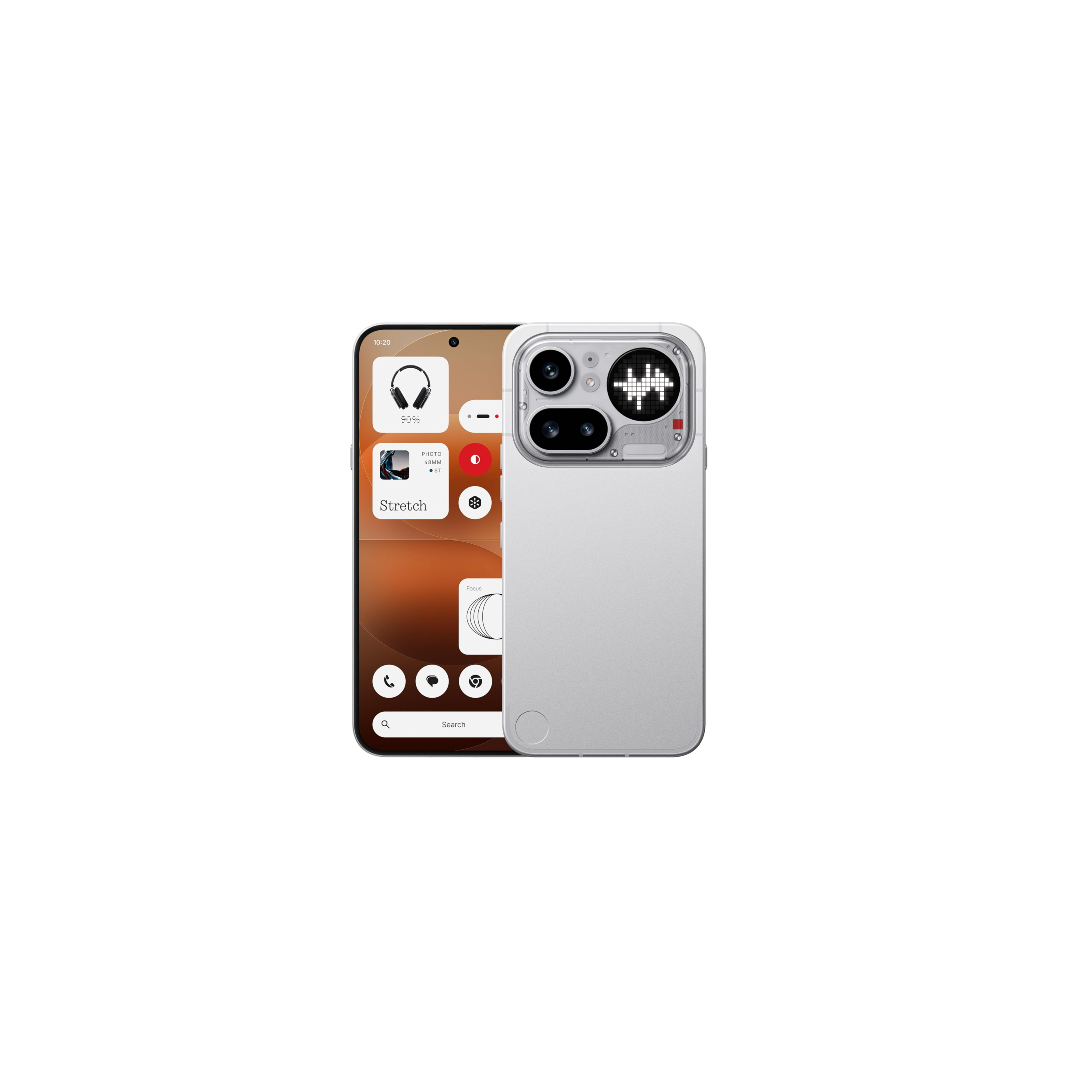

Nothing Phone 4a Pro
Updated aluminum design • Larger Glyph Matrix • New chipset
The Nothing A series goes official in the US
The Nothing Phone 4a Pro is a standout mid-range phone with a bold Glyph Matrix design, Snapdragon 7 Gen 4 performance, and a 144Hz AMOLED display — paired with a versatile triple-camera system including a 50MP periscope zoom, all aimed at delivering flagship-style features at a $499 price point.
Google Pixel 10a
That said, if I had around $500 to spend on a new Android phone, the Nothing Phone 4a Pro wouldn’t be my personal choice. Instead, I’d pick up the Google Pixel 10a. While not as eye-catching or unique as the Nothing Phone 4a, the Pixel 10a gets so much else right, and for what I value in a phone, it makes a lot more sense.
One of those is ergonomics. Compared to the Nothing Phone 4a’s 6.78-inch display, the Pixel 10a’s 6.3-inch panel is much smaller and easier to use one-handed. The Pixel is lighter, too, weighing over 20 grams lighter than Nothing’s smartphone. And, best of all, it’s one of the only modern Android phones without a camera bump. It’s a beautiful sight.
You don’t get a telephoto camera on the Pixel 10a as you do on the Nothing Phone 4a, but the primary and ultrawide sensors on Google’s phone are so reliable that I don’t really care. I also prefer the Pixel 10a’s software experience, longer update support, and wireless charging — a feature the Nothing Phone 4a doesn’t have.
Is the Pixel 10a a little boring? Sure. Is it barely an upgrade compared to the Pixel 9a? Without a doubt. But it’s also an Android phone I look forward to using each time I pick it up, and I think that speaks volumes — especially for a phone that costs $499.

Google Pixel 10a
Flush camera design • Good performance and battery life • Strong cameras • Great software support promise • Excellent price
Google’s best AI features, in a more affordable mid-tier device
Google Pixel 10a is a refined mid-range phone built around Tensor G4, a brighter 120Hz 6.3-inch display, tougher Gorilla Glass 7i, satellite SOS, and trickled-down Pixel AI features — paired with a reliable dual-camera system, 30W charging, and seven years of updates.
Samsung Galaxy S25 FE

Hadlee Simons / Android Authority
Samsung Galaxy S25 FE
If the Nothing Phone 4a is one of the more visually distinct Android phones on the market today, you could easily argue that the Samsung Galaxy S25 FE is one of the most boring. It looks like every Galaxy S phone released over the last several years, and certainly isn’t turning any heads with its design. However, if you can look past that, it’s a pretty solid alternative to spending your money on the Nothing Phone 4a.
How so? It’s all about the specs. The S25 FE’s Exynos 2400 chipset offers better CPU and GPU performance than the Nothing Phone 4a’s Qualcomm chip. Samsung’s phone supports wireless charging, has a more complete software interface in One UI, and will receive seven years of updates instead of just three. It also has much stronger water resistance with an IP68 rating, faster storage, and better video recording capabilities.
Surely that all must cost quite a bit more than the Nothing Phone 4a, right? Technically, yes; the Galaxy S25 FE retails for $650. However, given the phone’s age, it’s almost always on sale. For example, at the time of writing, you can buy it for just $500. At that price, I think it’s an easy pick over the Nothing Phone 4a.
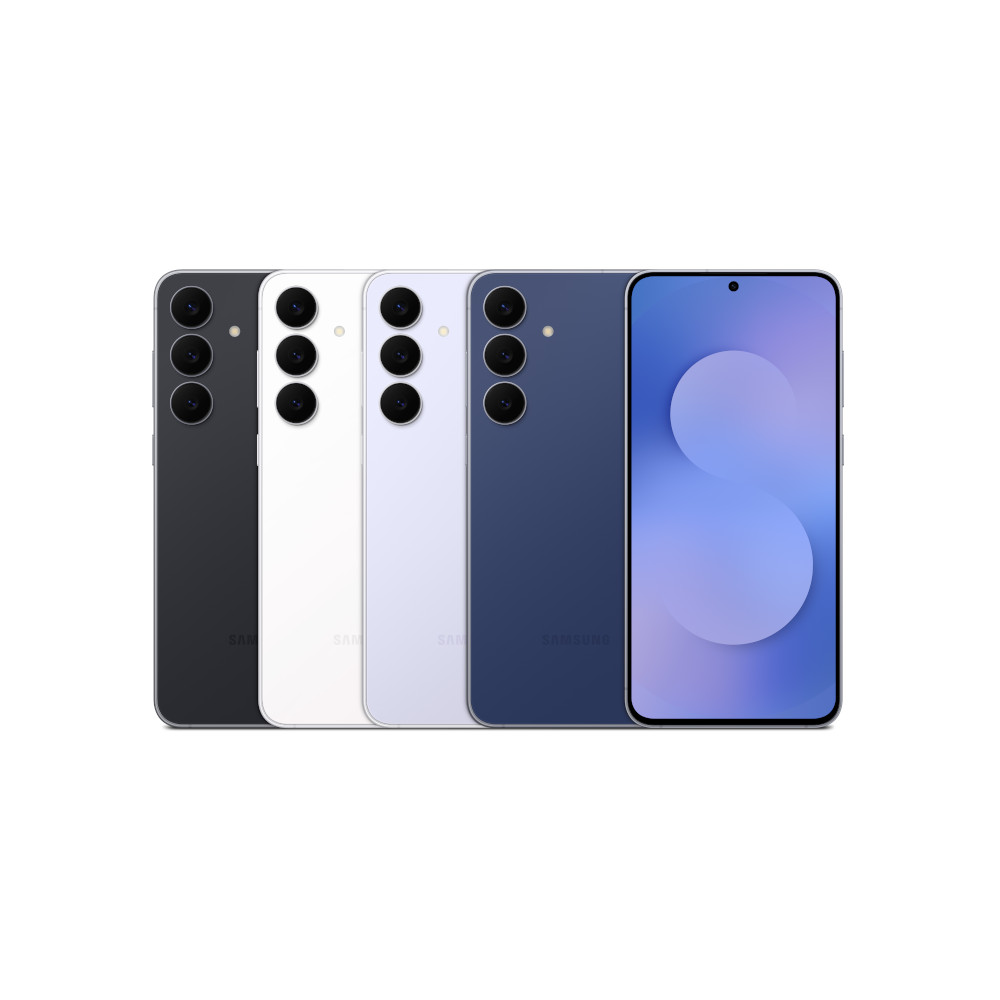
Samsung Galaxy S25 FE
Large 120Hz display • Big battery • 50MP camera
Exynos-powered, 6.7-inch Samsung experience
The Samsung Galaxy S25 FE is a more affordable experience for fans of the S25 series. Powered by an Exynos 2400 processor, this 6.7-inch phone offers better specs than ever in a FE phone, and nearly all of the greatness found in mainline S25 phones.
Motorola Moto G Power (2026)

Ryan Haines / Android Authority
All three of my recommendations so far have been at that same $500 asking price, similar to what the Nothing Phone 4a would cost you if you imported it into the US. If you’re curious what you could potentially buy for much less, consider the Moto G Power (2026). This is one of the newest additions to the Moto G family, and for the price, it’s a pretty solid option.
What’s good about Motorola’s phone? It has IP68 and IP69 ratings, a larger battery (5,200mAh compared to Nothing’s 5,080mAh cell), expandable storage via microSD, and — yes — a 3.5mm headphone jack. To get all of that in a handsome faux leather back with Pantone colors isn’t a bad setup at all.
What’s the catch? The Moto G’s MediaTek processor isn’t as powerful as the one inside the Nothing Phone 4a. Motorola’s phone also has slower storage, slower charging, and a less compelling camera setup. Those are big things to consider.
The Moto G Power (2026) is far from a perfect phone, but at a starting price of only $300, its compromises are much easier to contend with. It costs a heck of a lot less than what you’d pay for getting a Nothing Phone 4a into the States, and it’s an overall solid Android handset to boot.
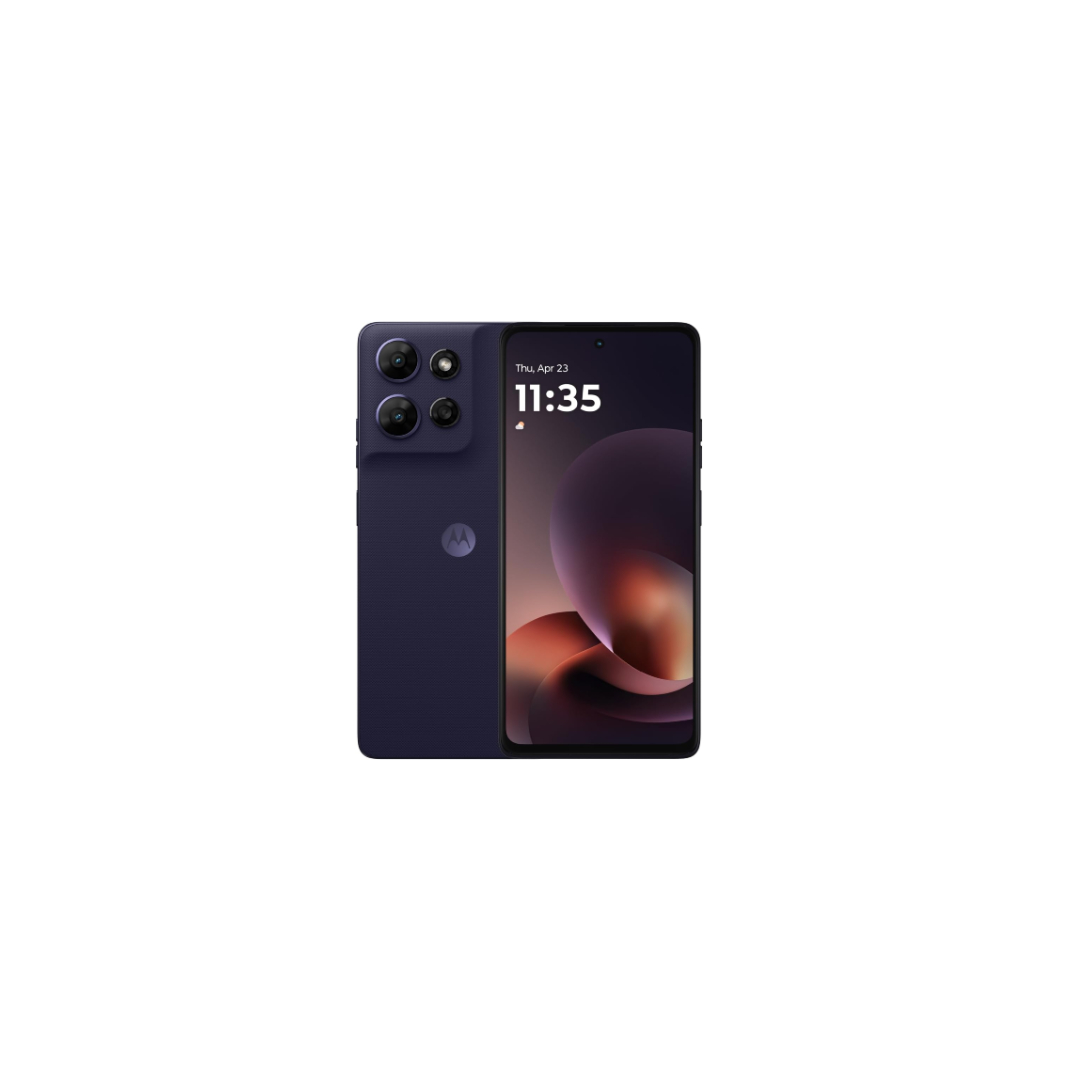
Motorola Moto G Power (2026)
8GB of RAM • IP68 and IP69 durability • Vegan leather finish
Motorola’s Moto G Power (2026) is the brand’s most complete budget phone right now.
The Motorola Moto G Power (2026) is the best cheap Motorola phone to buy right now, combining decent materials with solid IP protection and a dual-camera setup that actually works in day-to-day life. We’d still like to see longer update support, but the Pantone colors and goodies like a headphone jack and expandable storage make life better.
OnePlus 13R

Rushil Agrawal / Android Authority
Last but certainly not least, we have the OnePlus 13R. This is a phone I keep recommending even more than a year after its release, and it’s because it’s just that good. It’s also a bit of a polar opposite compared to the Nothing Phone 4a. Where that phone prioritizes a flashy design and pairs it with mid-tier specs, the OnePlus 13R settles for a pretty tame design in favor of a spec sheet that blows Nothing’s smartphone out of the water.
Thanks to its Snapdragon 8 Gen 3 chip, the OnePlus 13R delivers much better CPU, GPU, and storage performance compared to the Nothing Phone 4a. The OnePlus 13R also has a significantly larger 6,000mAh battery and much faster 80W wired charging. If performance, battery life, and fast charging are your top three priorities, the OnePlus 13R is the easy choice.
The biggest downside to the OnePlus 13R? Availability. OnePlus stopped selling the phone months ago, and availability at Amazon and Best Buy is hit-or-miss. However, if you can find the phone available for purchase — at its $599 retail price or likely less at this point — it’s still well worth buying.

OnePlus 13R
Speedy performance • Long-lasting battery • Superb value for money
R-eally great.
The OnePlus 13R is everything you’d expect from a OnePlus phone — blazing performance, amazing battery life, and rapid charging. Add to that a gorgeous display and a smooth, feature-packed Oxygen OS experience, and you have a phone that feels like it punches well above its $600 price tag.
Don’t want to miss the best from Android Authority?


Thank you for being part of our community. Read our Comment Policy before posting.
 By
By