

Written by Utkarsh Sood. Posted in Bikes
Adventure motorcycles have established themselves as the go-anywhere, do-anything machines that successfully combine comfortable long-distance travel with rugged off-road capabilities. However, not all ADVs reach the head of the pack. In a market flooded with options, only a handful stand out as true success stories.
What, therefore, makes the best ADVs different from the rest? Is it the components, the pricing, or the timely updates? There’s more to it than just the tip of the iceberg – the following five components are what truly make an ADV successful in our eyes.
1. Build Quality
An ADV is built for abuse; exactly the foundation of every great adventure. Every amazing adventure is built on an ADV, which is designed to be abused. The bikes are intended to withstand difficult, long-distance travel, rough terrain, and everything the road throws at you. As such, build quality is a prerequisite that cannot be compromised.
Some of the most iconic ADVs, like the BMW GS, the Yamaha Ténéré, or the Honda Africa Twin, were deemed reliable not only because of their performance but also owing to how well they endured over time and distance. On an ADV, everything must be built to last, from the suspension and frame to the engine casings and control switches. Quality, precision welding, corrosion-resistant coatings, reinforced subframes, and reliable electronics – all help your confidence on a lone backcountry road.
 On an ADV bike, everything must be built to last. | Photo Credit: Joseph Agustin
2. Meaningful Support
What exactly counts as meaning support? Is it parts, dealers, or service? It’s all that. You see, adventure often takes us far from civilization. And even the most reliable machines require maintenance, repairs, and new components from time to time. Pick up any successful ADV brand and you’d realize that it understands just this and invests in a robust support ecosystem.
This consists of an extensive dealer network, a consistent supply of replacement parts, and repair facilities manned by qualified experts who are aware of the exact requirements of adventure motorcycles. Parts availability can make or ruin the ownership experience, particularly in rural or underdeveloped areas. You certainly don’t want to wait weeks for a broken lever or clutch cable.
Companies like Suzuki and Yamaha have worked hard to make sure that riders can get parts anywhere in the world, frequently by partnering with foreign service facilities or creating online portals. Support also includes having easily accessible customer service, well-documented service manuals, and warranties that take into account how ADVs are actually used in the real world.
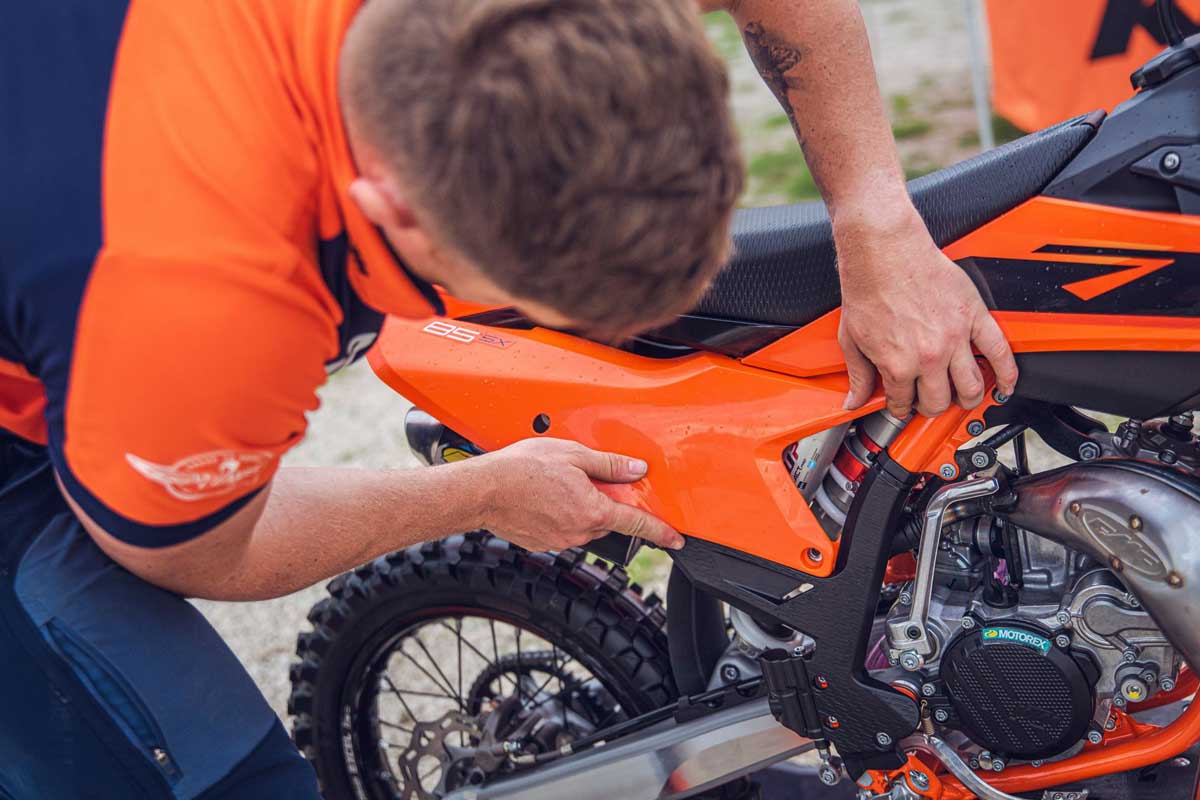 Clear instructions in the user manual also counts for a successful bike. | Photo Credit: KTM
3. Marketing Efforts
Regardless of how good a product you’ve created as a manufacturer, if you don’t market it right, it might never reach its true potential. Case in point: the Royal Enfield 450 – a hugely competent successor to the widely lauded Himalayan 411. It’s a brilliant machine for what it’s worth, but Royal Enfield missed a big beat by not marketing it well enough in the North American market. The result? You’d hardly see one around.
Any motorcycle’s success depends heavily on marketing. But in the ADV market, it goes beyond slick brochures and technical specifications. Successful ADV bikes appeal to the rider’s inner nomad by selling a way of life, a desire for freedom, and adventure. And successful brands know how to evoke feelings of passion and ambition.
Take a look at how Triumph’s Tiger and BMW 1250 GSA have developed fervent fan bases through rider-driven content, travelogues, and stories. A rider is more likely to make the leap if they can identify with the story better. Likewise, in the content-hungry world of today, a gripping story frequently piques interest more than mere horsepower numbers.
About time companies realize they’re selling dreams, not just bikes.
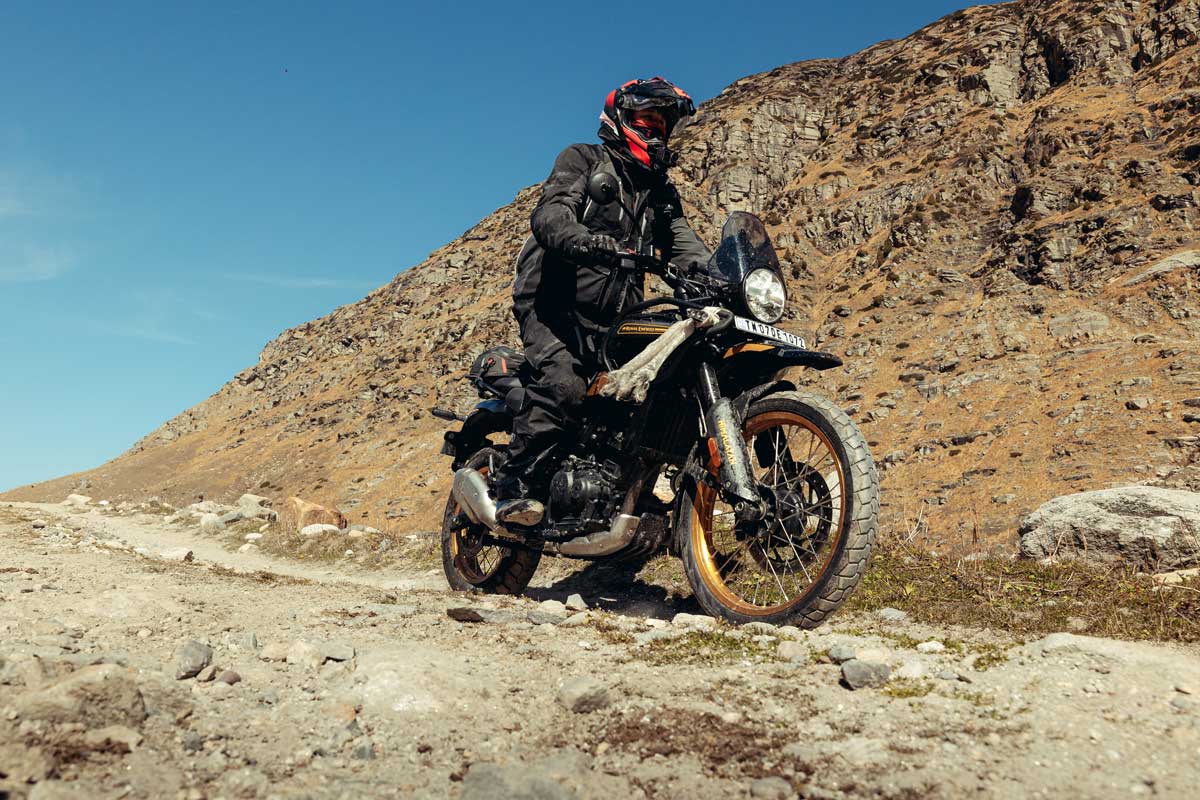 The Royal Enfield Himalayan 450 is a great ADV bike that could benefit from more marketing efforts in certain parts of the world. | Photo Credit: Royal Enfield
4. Aftermarket Accessories Integration
Every rider has a unique identity, and their bikes are a reflection of their personalities. Especially on ADVs, where you are likely to be sitting on for long hours on the saddle, the ability to alter and personalize the bike is essential. Whether it’s through the addition of crash guards, auxiliary lighting, bigger panniers, taller windscreens, a cushy seat, or improved suspension.
ADV manufacturers who encourage this either make sure their bikes are compatible with third-party equipment or offer a large selection of official accessories. Think accessory ports built into the electrical system, pre-drilled mounting holes, or modular luggage systems. The easier a motorcycle is to modify, the more appealing it becomes to a wider audience.
To accommodate riders’ diverse needs, many companies have begun to introduce adventure models with optional “touring kits” or “rally kits.” In today’s ADV market, this kind of flexibility is not merely a perk; it is a fundamental requirement.
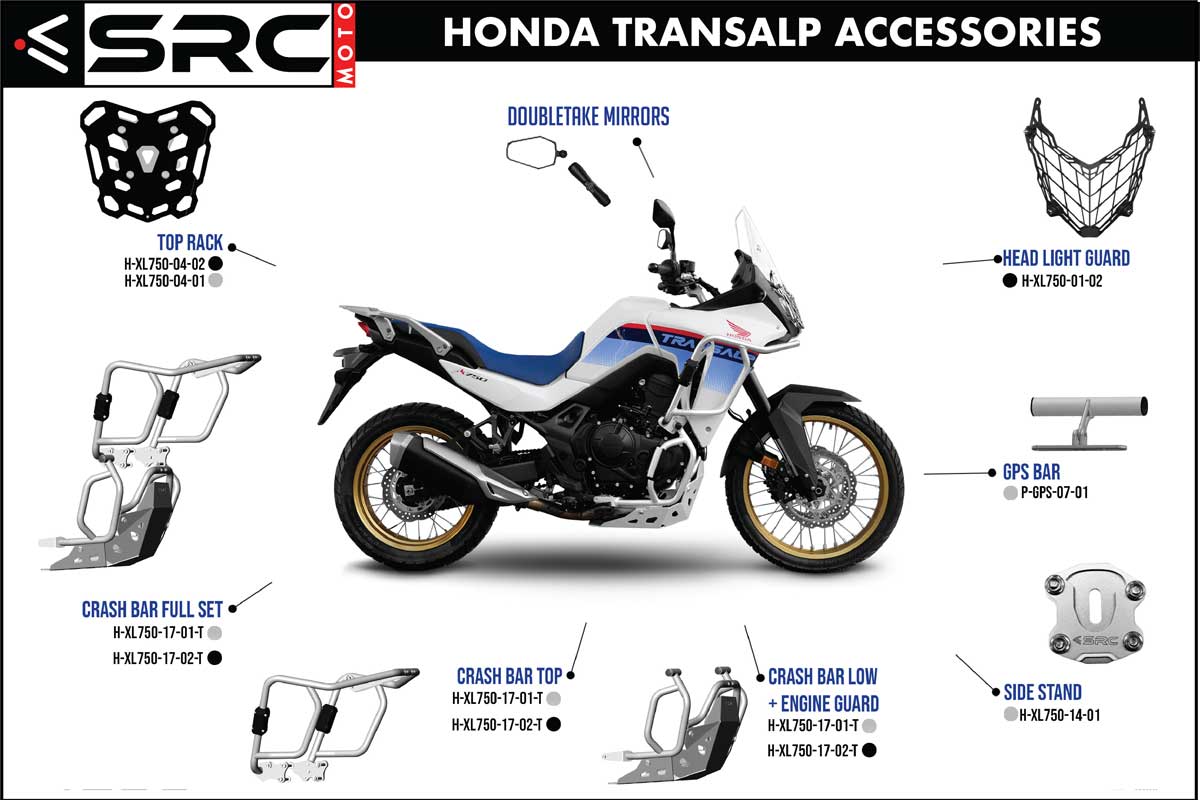 SRC Moto is one of the aftermarket manufacturers that contribute to the ecosystem of a successful bike brand. | Photo Credit: SRC Moto
5. Community Support
Finally, and perhaps most importantly, an adventure motorcycle’s success is greatly influenced by the strength of the community surrounding it. Adventure riders often turn to forums, local gatherings, online communities, and trips sponsored by brands for connection, education, and experience sharing.
Not to forget, even long after the purchase, a thriving community will continue to welcome newcomers, which in turn helps build brand loyalty, which in turn helps maintain the buzz around the bike. Adventure brands that interact with their community — for example, by hosting ambassador programs, long-distance riding challenges, or off-road training camps — hugely benefit from organic growth and word-of-mouth advertising.
Think about how the BMW GS Trophy has become a global event. It’s a celebration of the community and a representation of what the ADV life can be, not just a competition. Because they feel heard and supported, riders frequently go on to become lifelong ambassadors, becoming instructors, content producers, and even brand advocates.
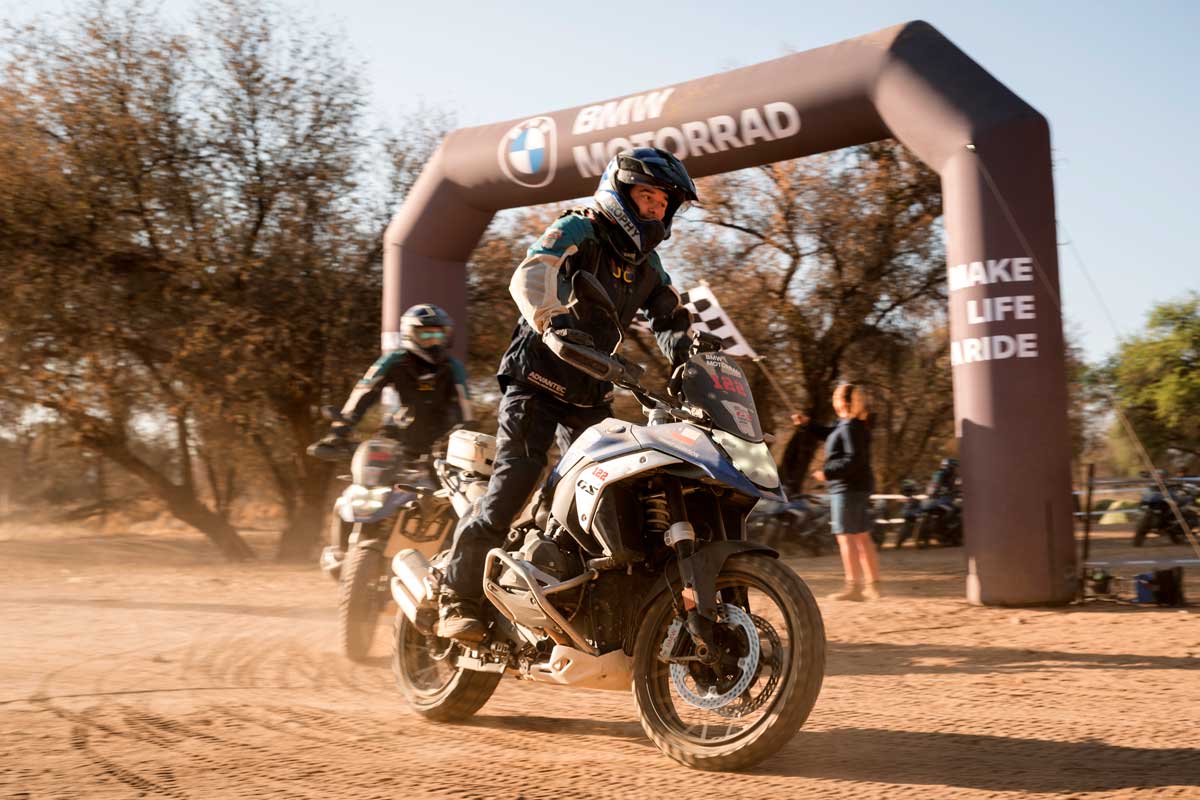 BMW Motorrad hosts international rider events that connect members of the riding community. | Photo Credit: BMW Motorrad
All in all, building a successful ADV involves more than simply designing a functional motorcycle; it also entails developing a lifestyle and the ecosystem around it. A well-made bike with strong support, careful marketing, easy customization, and a vibrant community has a far higher chance of succeeding in a category that’s brimming with competition.
Some brands adhere to these ingredients, while some might learn the hard way. Either way, it gives all of us adventure riders the ability to quantify data and recognize patterns in the success or failure of ADV bikes, and maybe even help in making successful purchase decisions.
 Having over 15 years of experience traveling and documenting his adventures, Utkarsh Sood lives and breathes all things motorcycle. His quest to travel, write, and create films pushed him to quit his fancy advertising job to live life on his own terms. Or so he thinks. When he is not writing about bikes, he’s busy riding his trusted Royal Enfield Himalayan and creating content for his project ‘Silence & Stories‘.
 By
By