

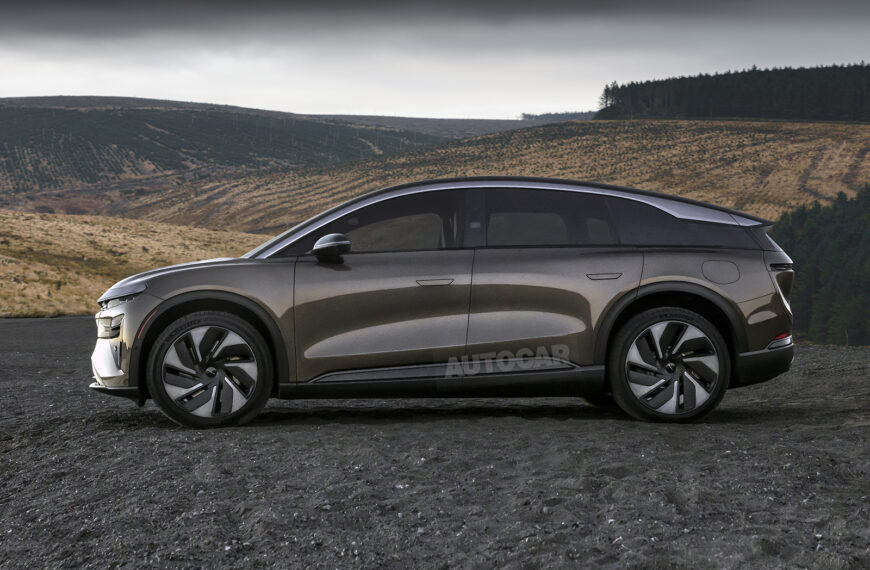
Isuzu is seeking a foothold in the UK’s fast-growing salary-sacrifice market with its new D-Max EV, thanks to company car tax changes that heavily incentivise electric double-cab pick-up trucks.
Since April 2025, HMRC has treated most new double-cab pick-ups (which have four doors and two rows of seats) as passenger cars instead of light commercial vehicles (LCVs), closing a loophole that made them tax-efficient company cars compared with similarly sized SUVs.
Those reforms introduced CO2 emissions-capped tax relief (known as capital allowances) for businesses buying or leasing trucks while also pushing them into the emissions-weighted benefit-in-kind (BIK) tax system instead of using the flat rate for LCVs.
It’s a significant change. Most double-cabs have diesel engines, emit more than 200g/km of CO2 and fall into the highest BIK tax band of 37%, burdening drivers with a five-times higher tax bill than they would have faced under the old system.
Fleets with vehicles that were already on the road before 6 April can continue to use the LCV tax system until 5 April 2029 or whenever the truck is sold on.
The rush to register vehicles before that deadline created a boom-and-bust market, with volumes up 19% year on year in the first quarter then down 3% in the following six months, according to the Society of Motor Manufacturers and Traders (SMMT).
However, CO2-based BIK tax also creates opportunities for the pair of low-emission plug-in hybrid (PHEV) and electric trucks sold in the UK – which will become a trio when deliveries of the D-Max EV begin next year.
Isuzu UK’s national sales manager, Neil Scott, has high hopes for the newcomer, which has a one-tonne payload and a 3.5-tonne towing capacity that the Maxus eTerron 9 EV can’t match and more tax-efficient 0g/km emissions rating than the 71g/km of the Ford Ranger PHEV.
“Recent changes to benefit-in-kind and capital allowances have reshaped the double-cab pick-up market,” he told Autocar. “The D-Max EV opens new doors for us, especially with lifestyle, company car and salary-sacrifice customers who want to embrace electrification. It’s an exciting new option as the market transitions towards EVs.”
At 0g/km, the D-Max EV is taxed at 3% of its list price, which means monthly BIK tax bill of around £30 for a 20% income tax payer. That compares with at least £240 for diesel versions or £67 for drivers on the old LCV flat-rate system.
 By
By