
Following Apple’s detailing yesterday of its 3D printing process for the Apple Watch Series 11 and Ultra 3, iFixIt is out today with an even deeper dive into the company’s 3D printing techniques. Here’s what they found.
Apple seems to be used a technique described in a medical study
Despite being largely scooped by Apple yesterday, iFixIt has published an interesting look at how Apple is using 3D printing techniques to build its new hardware.
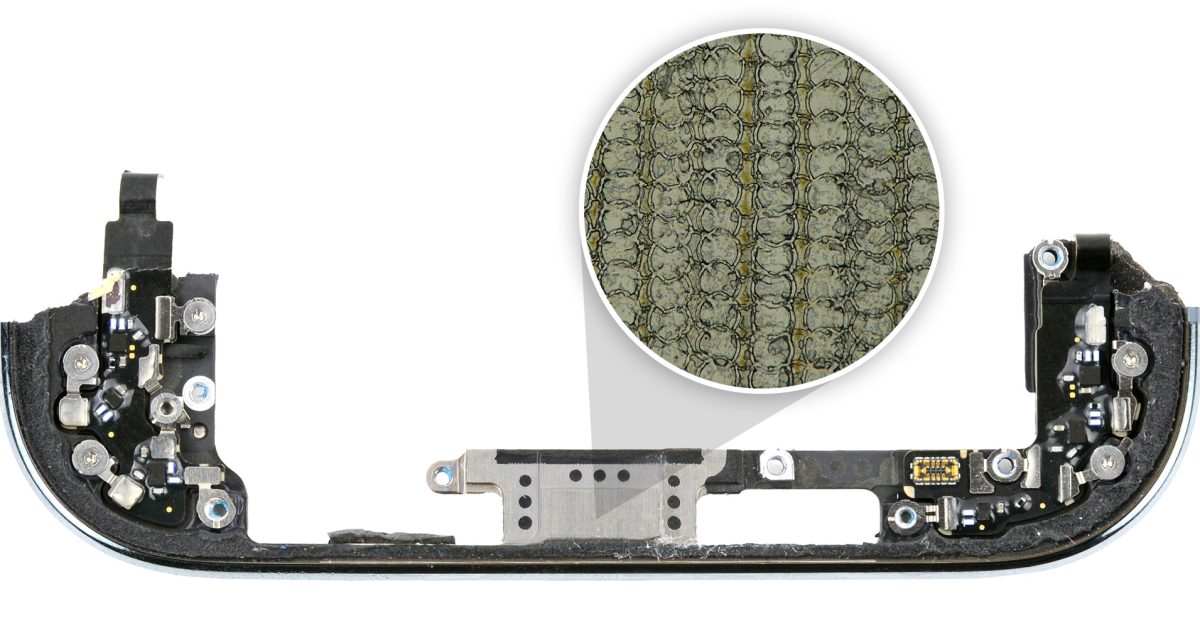
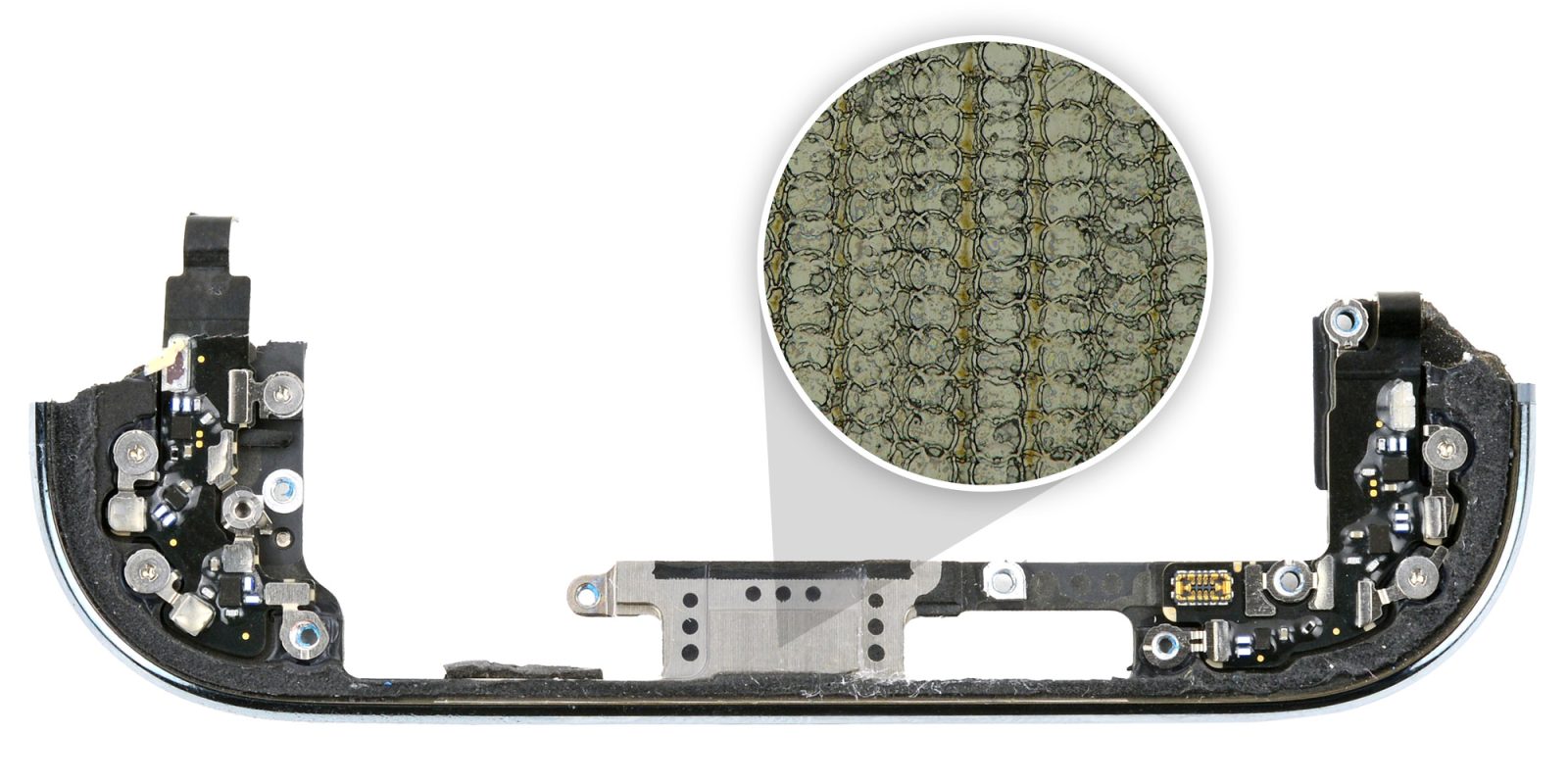
During their teardown of the iPhone Air, iFixit noted that the device’s 3D-printed USB-C port had “a perplexing detail”:
“(A) chainlink-like, circular surface pattern that stumped 3D printing veterans. At the 50µm scale, this pattern seemed highly unusual.”
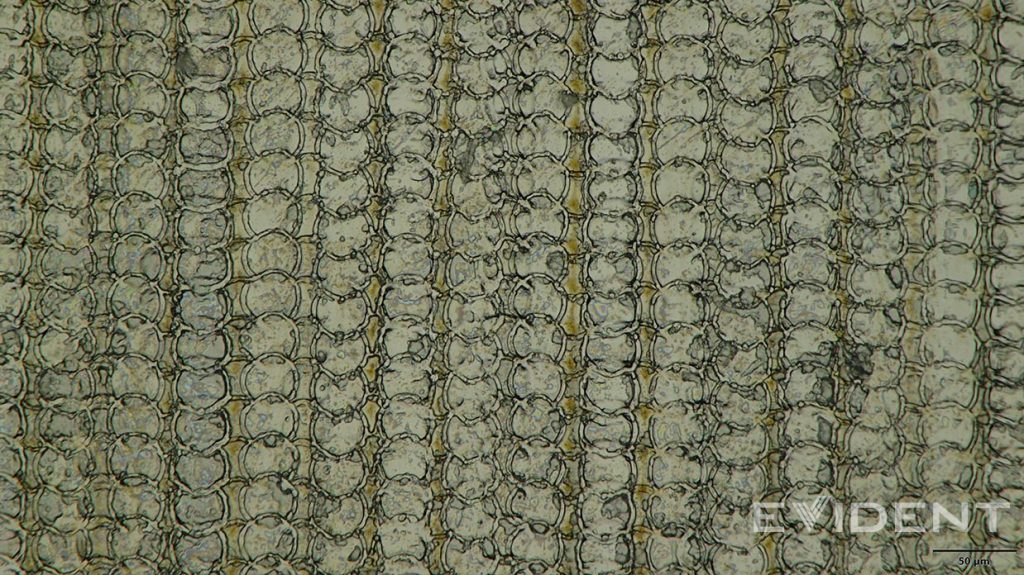
iFixIt’s findings went against the reports at the time, which claimed that Apple was using a technique called binder jetting, which “involves joining a powder with a binder material, which acts as an adhesive.”
Instead, they found a strong indication that Apple seems to be using a technique described in a medical paper from six years ago, highlighting “the benefits of creating 10-50µm structures on titanium surfaces using pulsed laser ablation to introduce anti-bacterial properties in prosthetics”.
Alas, the iPhone Air’s 3D-printed USB-C doesn’t appear to have such anti-bacterial properties. Still, it does seem to employ the general technique presented in the study to produce the component.
When looking into Apple’s press release from yesterday, detailing the 3D printing process of the Apple Watch Series 11 and Ultra 3, iFixIt confirmed some of their own findings:
“Sure enough, Apple yesterday published an article describing the process they used: A sea of machines each housing six lasers that build up 900 layers of titanium to create each Apple Watch case. That description, although it doesn’t explicitly term the process ‘pulsed laser ablation,’ confirms that our experts came to the right conclusion.”
iFixIt goes on to explain how this technique offers multiple advantages, such as not overheating the surrounding material, avoiding warping or discoloration, and minimizing energy or material waste in the process. Their post is well worth a read.
They also dive deeper into Apple’s claim that the iPhone Air uses “aerospace grade” titanium, which they say is not an actual titanium grade, but they do note that despite the initial excitement, the fact that Apple is employing 3D-printing in some of its hardware has no impact on repairability, since the process is not exactly the ‘print-at-home’ kind.
Accessory deals on Amazon
FTC: We use income earning auto affiliate links. More.
 By
By