
Autocar’s visit comes on a holiday at the factory, but the potential is clear as we wander along the vast production line. The process is highly automated, in part because of the need for the heavy flexibility required to produce such a wide range of variants on a single line.
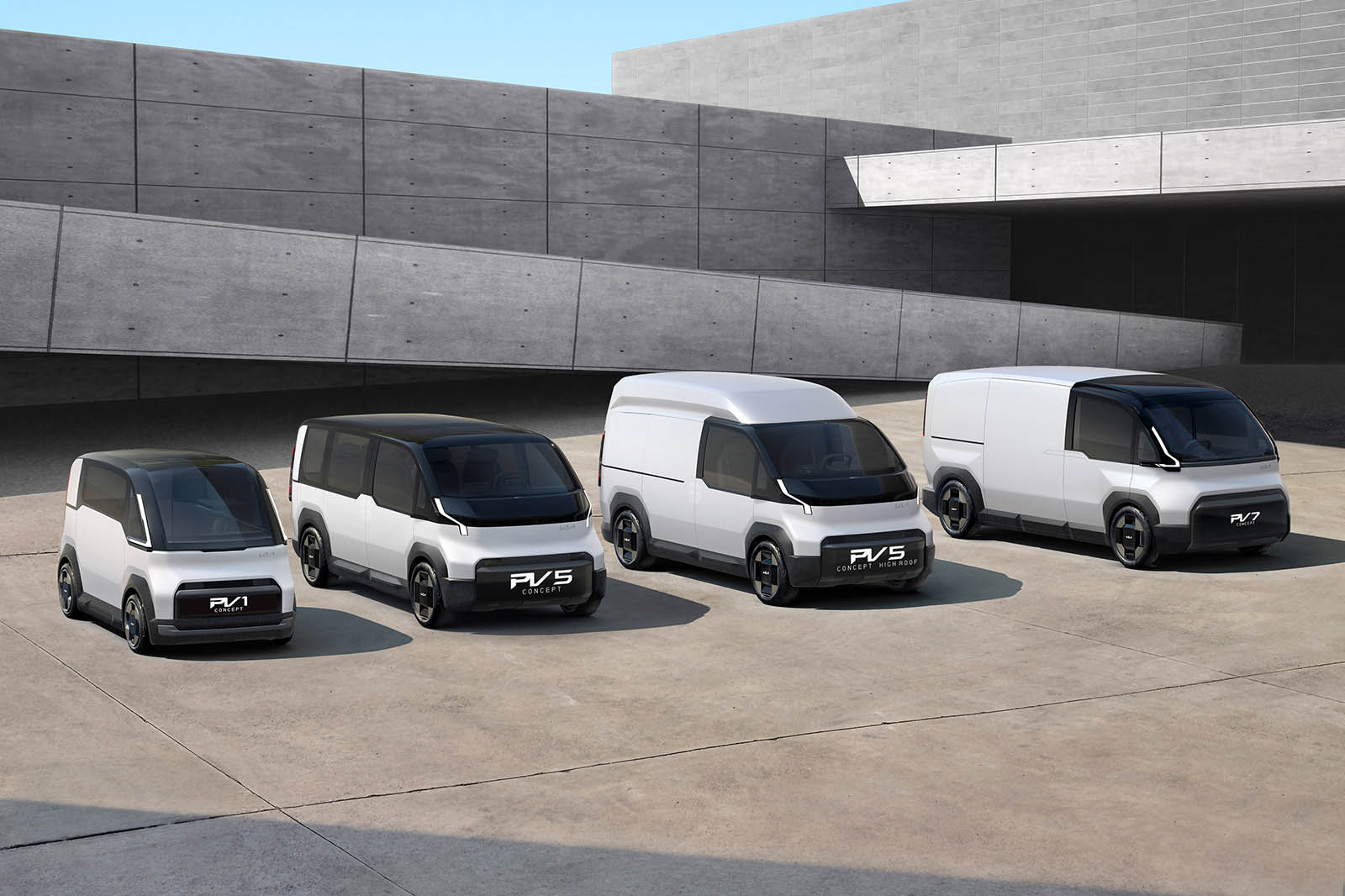
But the unique aspect – and perhaps the real magic-of this plant is located at the end of the production line, where a large number of dedicated bays are waiting to accept newly constructed PV5s for extensive customisation.
This is the key to the business model dreamed up by Kia president Ho Sung Song, and it’s vital to the PBV operation by offering greater cost-effectiveness and being less wasteful. “With commercial vehicles, so many of them have a customisation process, which is normally done by outside partners,” Song tells Autocar.
Many commercial vehicles go straight from a production line to a third-party firm for conversion to meet the requirements of the company that’s buying them. That, says Song, is not good commercially, and it’s not good for the environment because people produce a new vehicle only to immediately throw out the production-line interior. It’s wasteful.
“By producing as many variants inside the factory as possible we can make that process easier, and we can produce the vehicles to meet the order from the start, with minimal waste,” says Song.
That means elements such as refrigerated units, bespoke shelving and storage can be added in the factory at source. Kia will still work with partners where appropriate: for example, it is planning light- and full-camper forms, with conversions done in the factory and through camper specialist Westfalia. Even then, Kia will supply vehicles to third-party firms with only the elements needed, so nothing has to be removed.
The other business aspect of the PBV side is software and fleet management: Kia has developed a bespoke operating system, which enables the cloud-based services and fleet management offerings that commercial vehicle customers require.
Europe, including the UK, and Canada will be key target markets at launch, but these are fully global products. Notably, Kia will sell the PV5 in Japan-the first time it has offered a vehicle in the market.
 By
By