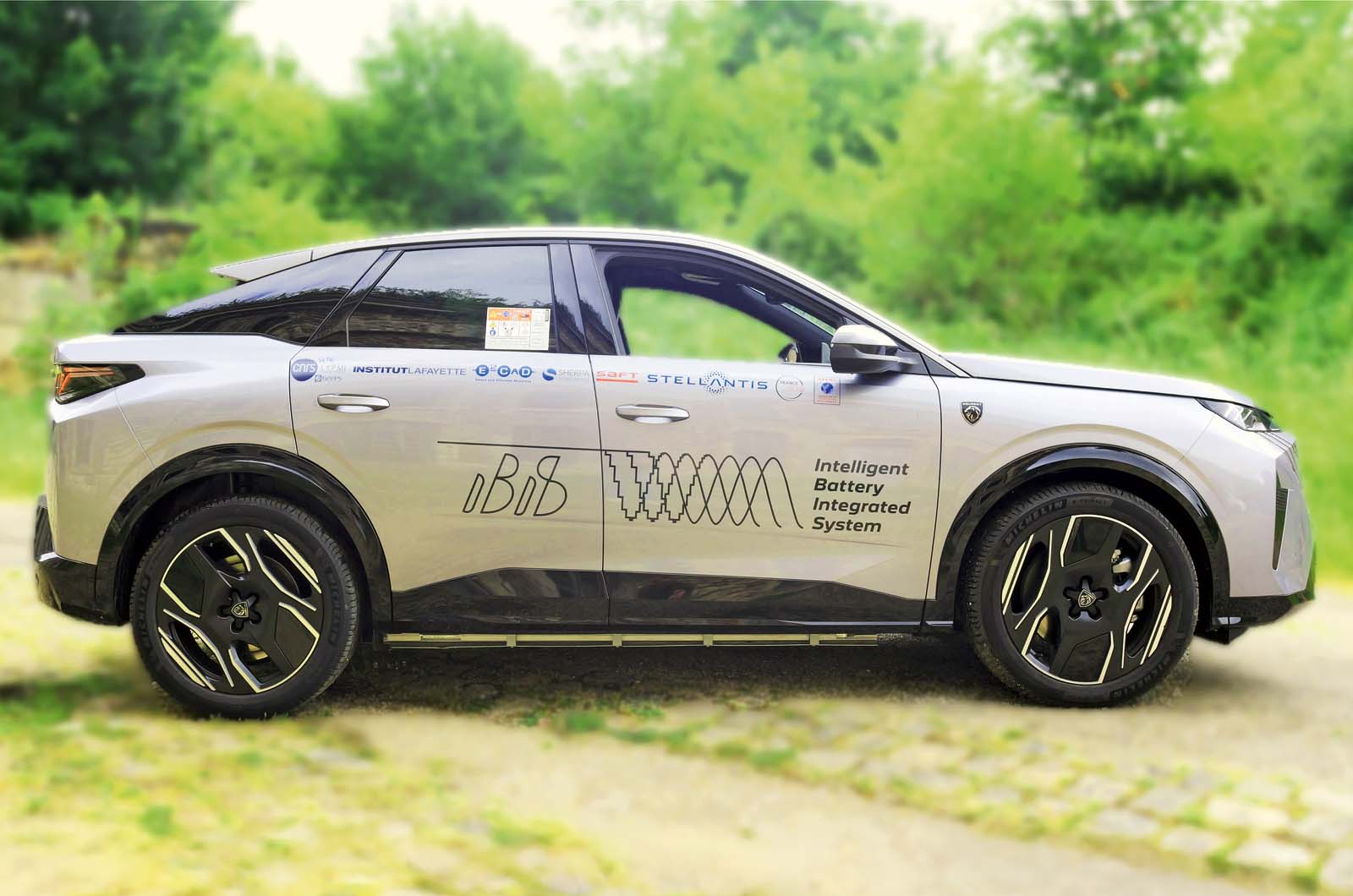

Stellantis and French battery maker SAFT have revealed an integrated battery system that is more efficient, smaller and lighter and cuts charging times by 15%.
Called IBIS (Intelligent Battery Integrated System), the battery incorporates the inverter and charger functions directly into its pack, creating a single module to deliver power to the drive motor-generator.
Until now, inverters – a key EV component that manages both power and the transition between AC and DC current between battery and motor- generator or battery and charger – have either been a stand-alone element or integrated with drive motors.
Likewise, on-board chargers are normally individual components. IBIS works with any type of battery chemistry or in any application, from electric cars to stationary systems.
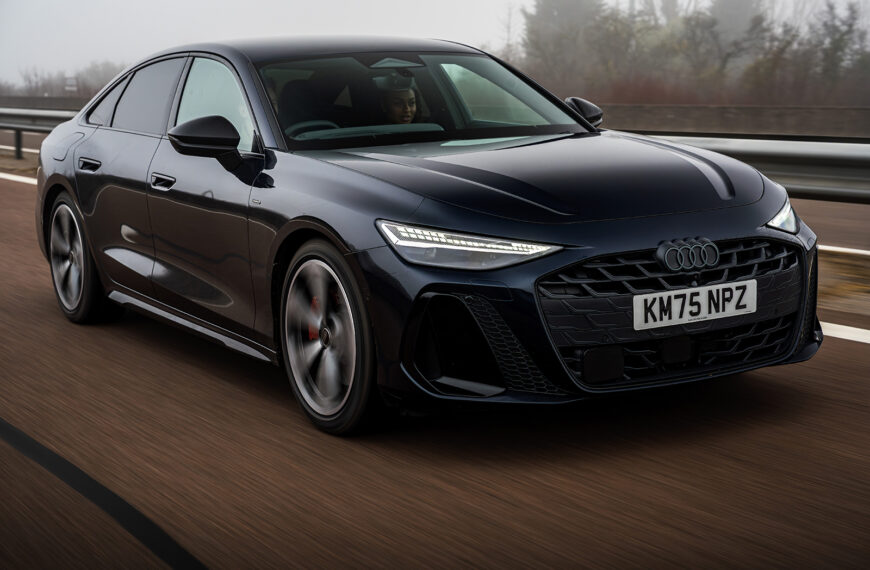
After years of work, an IBIS-equipped battery is now up and running in a Peugeot e-3008, which is built on the STLA Medium platform.
The IBIS architecture deals with the AC and DC aspects of running an EV and can supply energy to the grid as well as to the drive motor. It also handles the voltage step-down to the conventional 12V battery and electrical system.
What should we notice as drivers of an IBIS-equipped car? Stellantis says there’s a 10% efficiency improvement based on the WLTP cycle and a 15% power gain from 150kW to 172kW in a direct comparison with a conventional EV high-voltage battery.
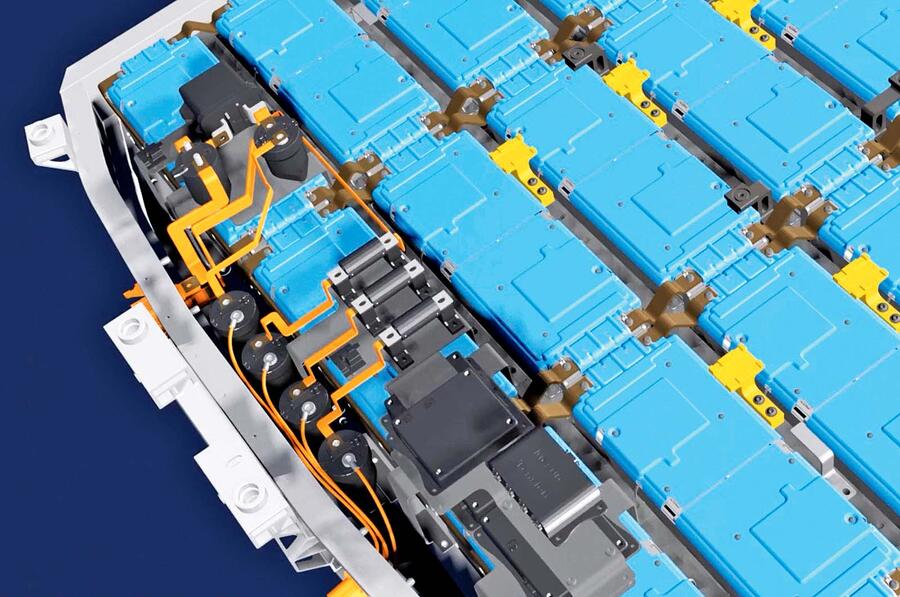
Because the major high-voltage components are integrated into one, weight will be reduced by 40kg, and IBIS liberates 17 litres of space. Charging will be faster, too, dropping from seven hours to six on a 7kW domestic AC charger, together with a 10% energy saving making charging less expensive.
Second-life battery use, either in vehicles or stationary applications, should also become more feasible by integrating the key electronic components in one package.
Elsewhere in battery development, Shell Lubricants has developed a high-performance EV battery thermal management fluid, which it says will reduce charging times significantly without compromising battery safety or life.
Developed with the RML Group, ‘Shell EV-Plus Thermal Fluid’ is produced using gas-to- liquids technology. The fluid is non-conductive (dielectric), and electrical components like cells are immersed directly in it, which is more effective than indirect cooling via cooling plates or tubes carrying coolant.
A 34kWh battery pack using the fluid has been charged from 10% to 80% in under 10 minutes, because the cells are able to handle much higher charge currents.
 By
By