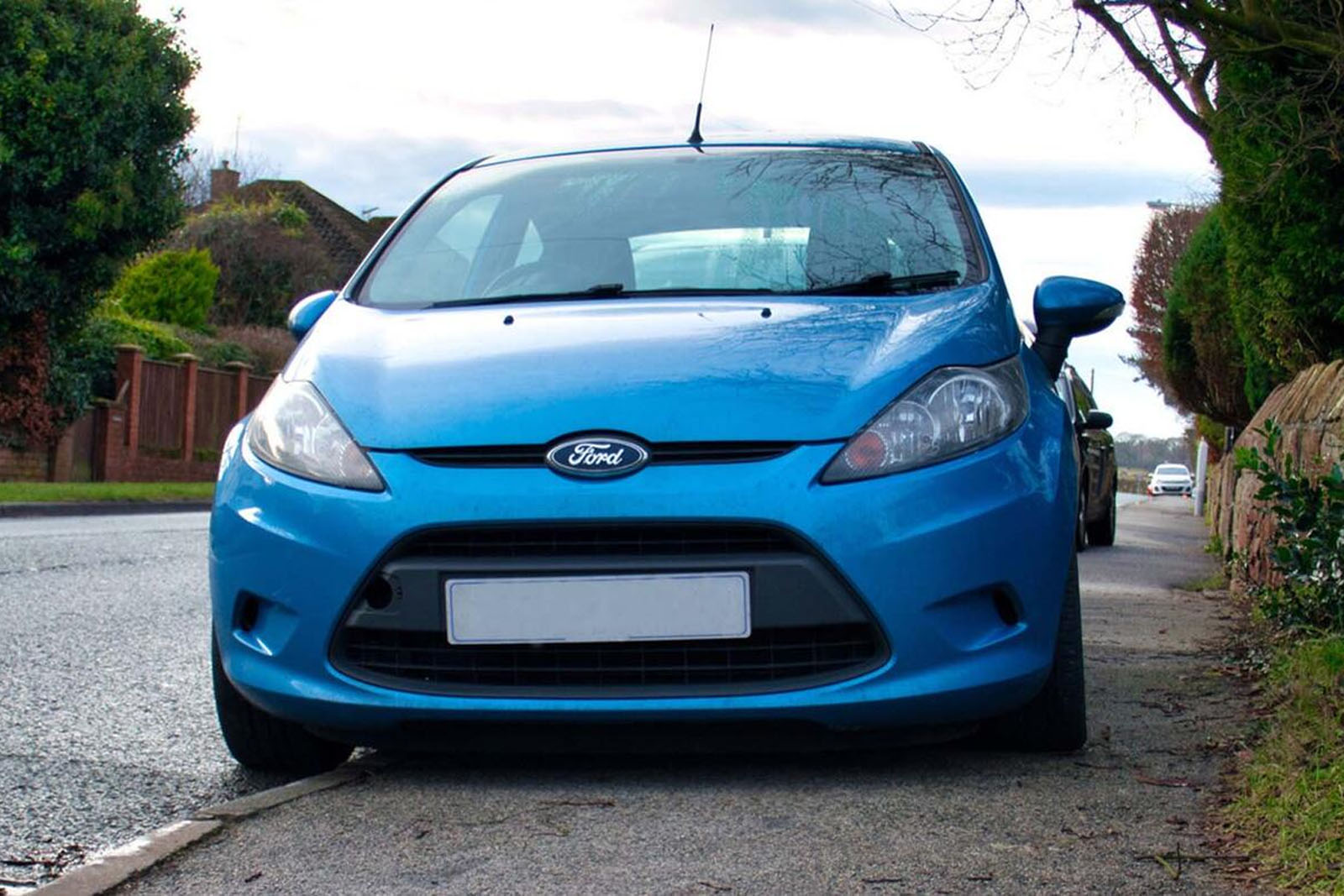

The government is cracking down on pavement parking by giving local authorities the power to introduce blanket bans on the practice over wider areas.
Authorities were previously required to seek restrictions on pavement parking on a street-by-street basis, slowing the rate at which they could take action across neighbourhoods.
This year, legislation will be introduced to allow local authorities to enforce against unnecessary obstruction of the pavement. The nature of that enforcement has still to be disclosed, but it is likely to be a fine.
In the long term, power over pavement parking will be granted to either the local strategic authority (bodies made up of multiple neighbouring councils), unitary authority or county council, depending on the area.
The Department for Transport (DfT) said the decision to grant local authorities more power over whether to allow pavement parking was down to them being “best placed to respond to local needs”.
Pavement parking will still be permissible in areas where it is deemed necessary and does not pose a limitation to more vulnerable pedestrians such as wheelchair users or parents with pushchairs, said the DfT.
But it remains to be seen what checks and balances will be implemented to ensure restrictions are not introduced by councils where they are not needed.
The move has been welcomed by disability charities and motoring organisations. Andrew Lennox, chief executive of The Guide Dogs for the Blind Association, said: “Cars blocking pavements are a nuisance for everyone, but especially dangerous for people with sight loss, who can be forced into the road with traffic they can’t see.
“Pavement parking is also a barrier that shuts people out of everyday life. When pavements are blocked, people with sight loss lose confidence, independence and the freedom to travel safely. This stops people accessing work, education and social opportunities.”
Rod Dennis, senior policy officer for the RAC, said: “A clear majority of drivers agree that no pavement user should be made to walk or wheel into the road.”

 By
By