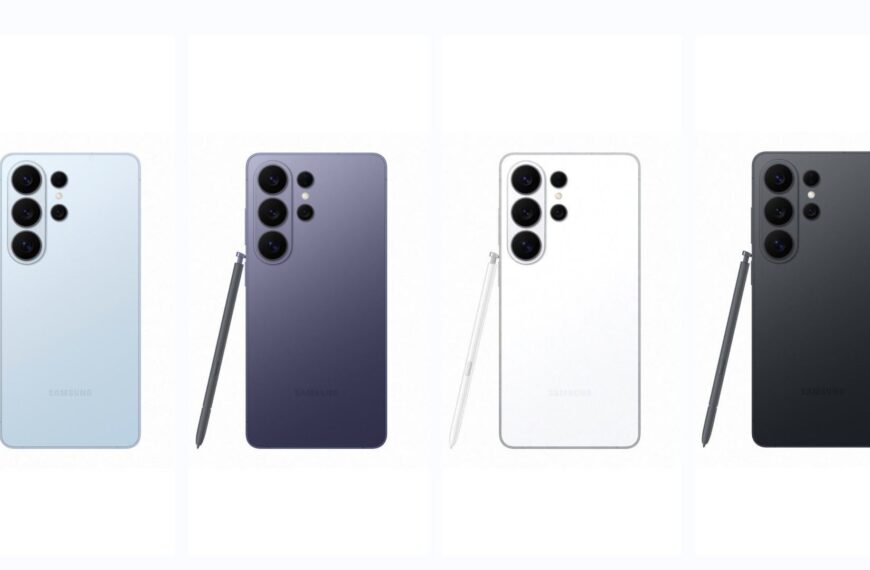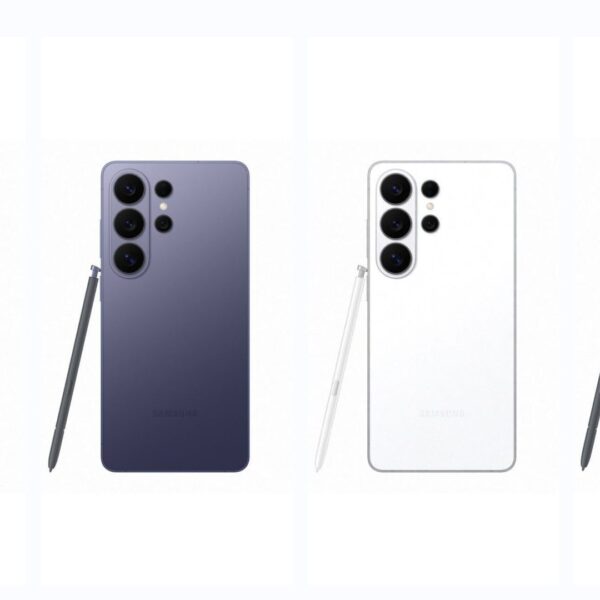
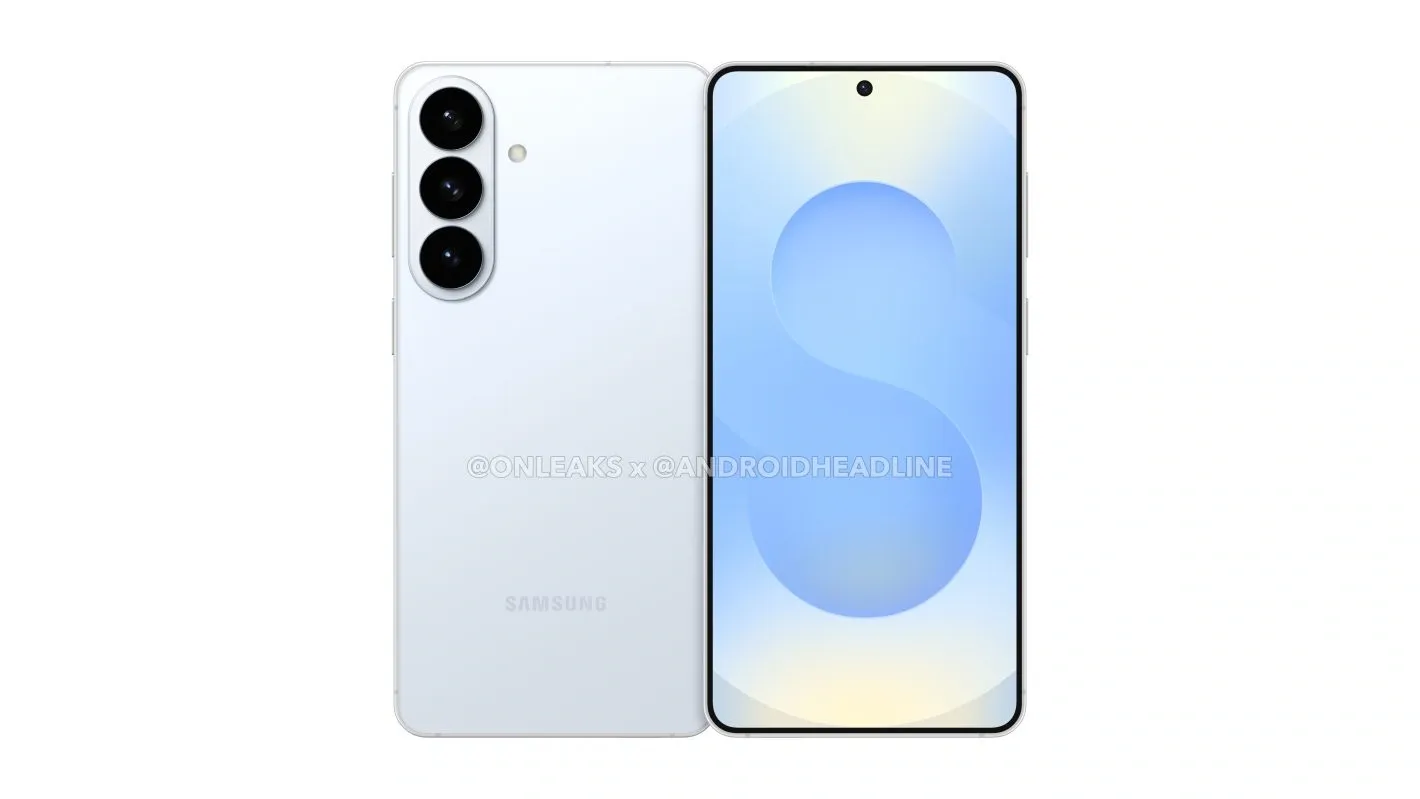

For years now, Samsung has adopted a three-device launch strategy for the Galaxy S series. That includes the base model, the larger Plus model, and the premium Ultra. However, in 2025, Samsung added a fourth flagship model to the pack with the launch of the Galaxy S25 Edge, a large but slim phone that slotted somewhere in the middle of the S25 family.
It was once rumored that Samsung would replace the Galaxy S26 Plus with a Galaxy S26 Edge, but it looks like that may no longer be the case. If true, and Samsung is retaining the Plus model, I think this would be a smart move. However, Samsung needs to give consumers a reason to flock to the Plus, and the Edge may be the answer.
The awkward middle child
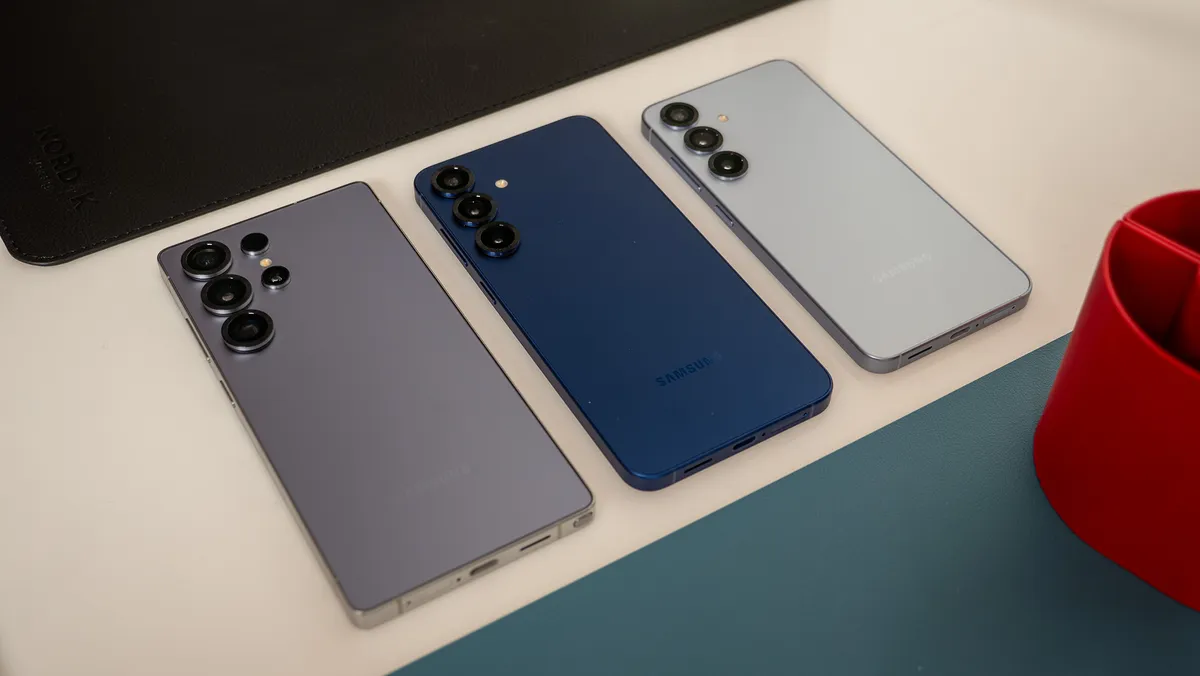
The Plus model has always been the awkward middle child of Samsung’s Galaxy S series family. At first glance, it is just a larger version of the base model, although a deeper look reveals a bigger battery, faster charging speeds, a sharper display, and more base storage. However, despite these upgrades, the Plus model has always fallen short of its siblings.
Anshel Sag, principal analyst at Moor Insights & Strategy, tells me that the Plus “has always performed the worst compared to the base and flagship models,” noting that even Apple has had the same problem with its Plus model. And while it’s unclear why this is, I suspect that consumers aren’t as interested in paying more for a phone that’s more or less the same, just in a larger chassis.

The base Galaxy S25 launched at $799, while the Galaxy S25 Plus was $999 at launch. That’s a $200 jump, and while some may think it’s worth it for the larger display and other upgrades, many clearly don’t, especially when the Ultra model offers so much more in roughly the same size.
Still, I believe the Plus has its place in Samsung’s lineup, especially with the upgrades Samsung has been giving it in recent years. The Galaxy S25 Plus was one of my favorite phones last year, to the point where I still question Samsung’s choice to launch an ultra-thin Galaxy S25 Edge.
The Edge quickly lost its edge

Samsung seemingly rushed to get the Galaxy S25 Edge out before Apple could release its iPhone Air. Yet despite the impressive technical feats required to develop the phone, it reportedly didn’t quite sell as well as the company hoped. Ultimately, the phone came with too many compromises to achieve its thin profile and not enough upgrades to justify the premium price tag.
The S25 Edge more closely resembled the S25 Plus, and while it’s thinner and has a more robust 200MP primary camera, the Edge has fewer total cameras, slower charging speeds, and a smaller battery than even the base Galaxy S25. Yet, at launch, the Galaxy S25 Edge cost more than the Plus, even though many saw it as a downgrade.
According to Sag, this ultimately led to the poor sales reported since launch. “I think that the Edge suffered from the same problems as the Air,” he tells me, highlighting “many sacrifices and a bad perception of battery life.”
I got the information from my independent source: Galaxy S26 Edge is definitely gone, 100% correct.October 16, 2025
Because of this, the Galaxy S26 Edge was reportedly canceled, which isn’t really much of a surprise. Unless Samsung can figure out how to launch an ultra-thin phone without compromises, the phone will be dead on arrival, whether it launches as a Plus replacement or as a separate device. Sag also says that Samsung would need to “execute and market it well” to fix the perception problem around ultra-thin phones.
“I think expectations were unrealistic and the marketing did not do them any favors,” Sag noted. “I wasn’t personally sold on thin phones until I used the Air, and then I got it.”
That said, he wouldn’t completely count the Edge out if Samsung decided to launch a successor. “But I would say that if Samsung could build an Edge and market it correctly, I think it could sell very well. Just like Apple’s Air.”
However, I think Samsung needs to stick to its three-device strategy for the S-series, while giving the Plus more of an edge, so to speak.
Samsung’s Edge could live on in the Plus and other phones

While it’s probably best that Samsung abandon the Edge, I think the Edge’s DNA should continue to live on in the Plus. So far, I haven’t been a huge fan of ultra-thin phones, but that’s merely because some of the most notable, namely those from Samsung and Apple, come with compromises I’m just not willing to make for the prices companies are asking.
Still, Samsung could give its Plus model a boost in the S lineup by learning from the Edge, offering a thinner phone but without the compromises that came with it. For example, Samsung has been seemingly hesitant to adopt silicon-carbon batteries. However, a future Plus phone could potentially offer the same or more battery capacity in a thinner profile, while continuing to offer a triple camera system.
Sag agrees that there’s still a place for a thin phone, so long as Samsung gets it right.
“I think the thinness can be a selling point, especially after I used the iPhone Air. I just think consumers need to be convinced about durability and battery life before they make the jump. I also think camera configurations can’t suffer too much.”
In fact, Samsung needs only look at devices like the Honor Magic 8 Pro Air for inspiration. Honor’s phone has a 5,500mAh battery, a solid triple camera system, a flagship MediaTek chipset, and is still only 6.1mm thin.

That said, I think that the Plus still has its place over the Edge in Samsung’s lineup, and Sag agrees, “especially since the Edge in many ways was more of a supply chain pipecleaner for the Fold.” Basically, the somewhat underwhelming Edge was just a precursor to the more impressive Galaxy Z Fold 7.
That said, I’m hoping the seemingly failed Edge experiment can also inspire change in Samsung’s other products, if not a direct Edge successor. After all, the Plus is already a large and decently thin phone, and it would be the perfect way to carry on the Edge’s DNA.
 By
By