
It’s 2026, and we agree to terms and conditions daily that govern how our data is used, stored, and shared. We don’t have the time to comb through each provision of these agreements, and most of us don’t have the knowledge to make sense of the pages-long legalese within them. When we use products that are personal, there are extra expectations, like that our security camera footage won’t be parsed with AI by third-party companies or stored longer than we agreed to.
Apparently Amazon and Google didn’t get the memo.
Super Bowl ad backlash cut Ring’s partnership with Flock Safety short

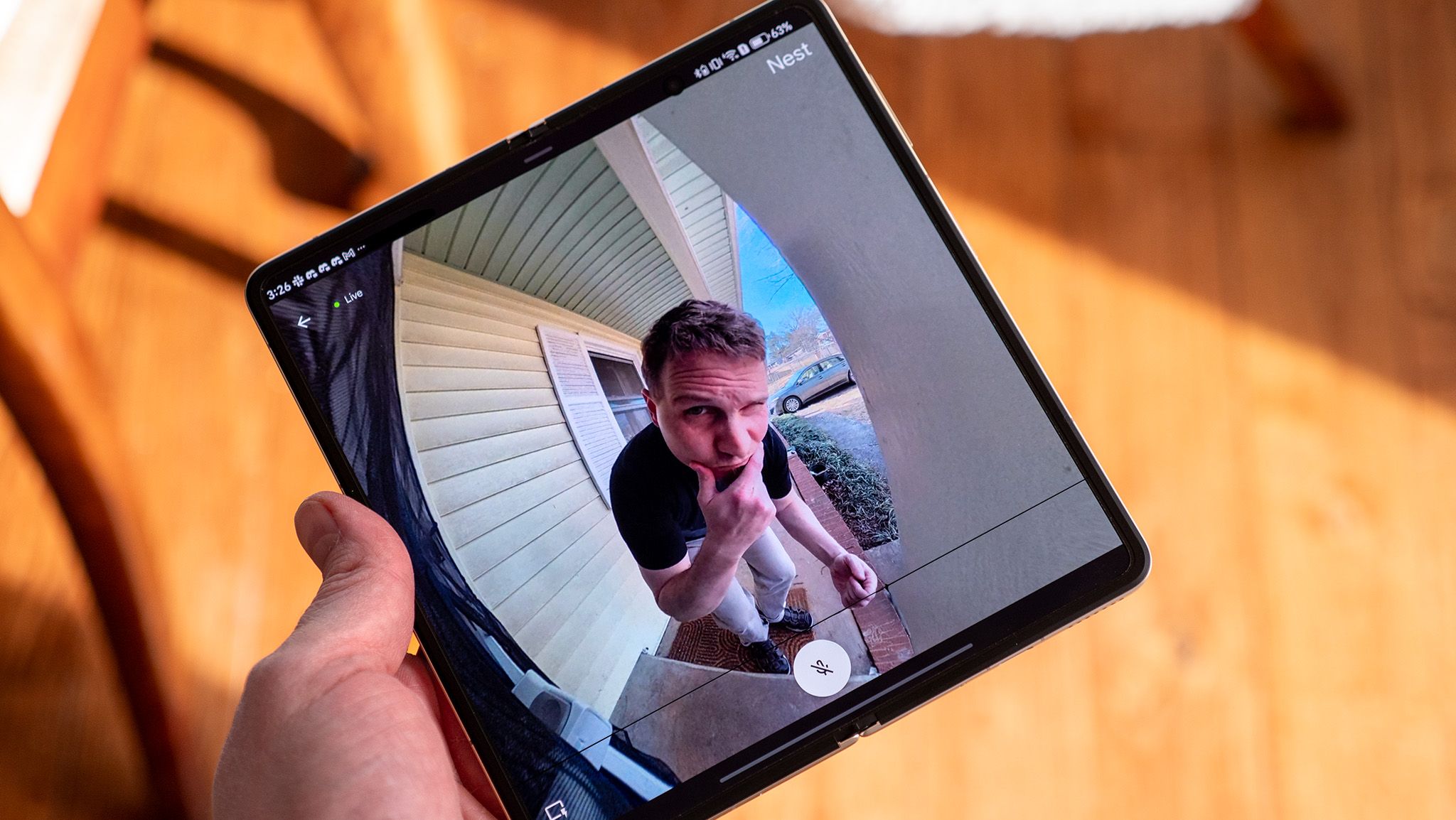
Amazon’s Ring security camera products, which range from doorbells to indoor and outdoor home cameras, aren’t just designed to record. The benefit of using Ring compared to the competition is gaining access to a community network of cameras. Ring offers a “Community Requests” feature that allows users to share footage with law enforcement within a certain geographical area to aid with investigations. The idea is that if a crime occurs in a neighborhood, Ring owners can work together to surface evidence, if they opt-in.
The feature sounds fine in theory, but Ring has a complicated history with law enforcement. It used to operate a “Request for Assistance” feature that allowed agencies to request and receive customer videos through Ring before it was sunset in 2024. The change was championed by privacy advocates, who grew concerned that police were abusing the tool to request video it wouldn’t otherwise be permitted to get with a warrant or court order.
By switching to the Community Requests tool, Ring users gained full control over whether their videos were shared with law enforcement or private companies. That is, until Ring teased a “Search Party” feature in a Super Bowl ad that touted how AI could analyze your recordings to find lost pets. The Electronic Frontier Foundation made the case that this feature was a “surveillance nightmare” and resurfaced Ring’s partnership with surveillance companies Axon and Flock Safety.
Flock Safety is, in my opinion, one of the greatest threats to personal privacy we’ve ever seen. The company operates license plate readers, cameras, and gunfire locators in 49 states, capturing scans of over 20 billion U.S. motor vehicles monthly. These scans, and the data within them, are searchable by law enforcement for weeks — all without a warrant or court order. The technology, operated by Flock Safety, facilitates warrantless, unregulated surveillance.
The public appears ready to reject Flock Safety surveillance, as multiple local governments have canceled contracts with Flock Safety due to public pressure. Lawsuits have alleged Flock Safety cameras violate constitutional privacy standards, but one federal judge recently rejected that notion, at least for now.
Amazon’s Ring is the latest entity to cut ties with Flock Safety amid mounting public privacy concerns. The company said the following in an announcement this week:
Following a comprehensive review, we determined the planned Flock Safety integration would require significantly more time and resources than anticipated. As a result, we have made the joint decision to cancel the planned integration. The integration never launched, so no Ring customer videos were ever sent to Flock Safety.
Amazon
All told, it sounds like a win for Ring customers. Their videos won’t be sent to a company surrounded in privacy concerns. However, Ring’s continued partnerships with law enforcement and companies like Axon or Flock Safety to provide warrantless video over the years should be alarming to privacy-conscious users. To its credit, Ring made the right decision on a few occasions, shuttering Request for Assistance and the Flock Safety partnership.
The question is — why does Ring continue to entangle itself in questionable partnerships with law enforcement agencies and private companies?
Google’s Nest video recovery reminds us ‘deleted’ doesn’t mean gone
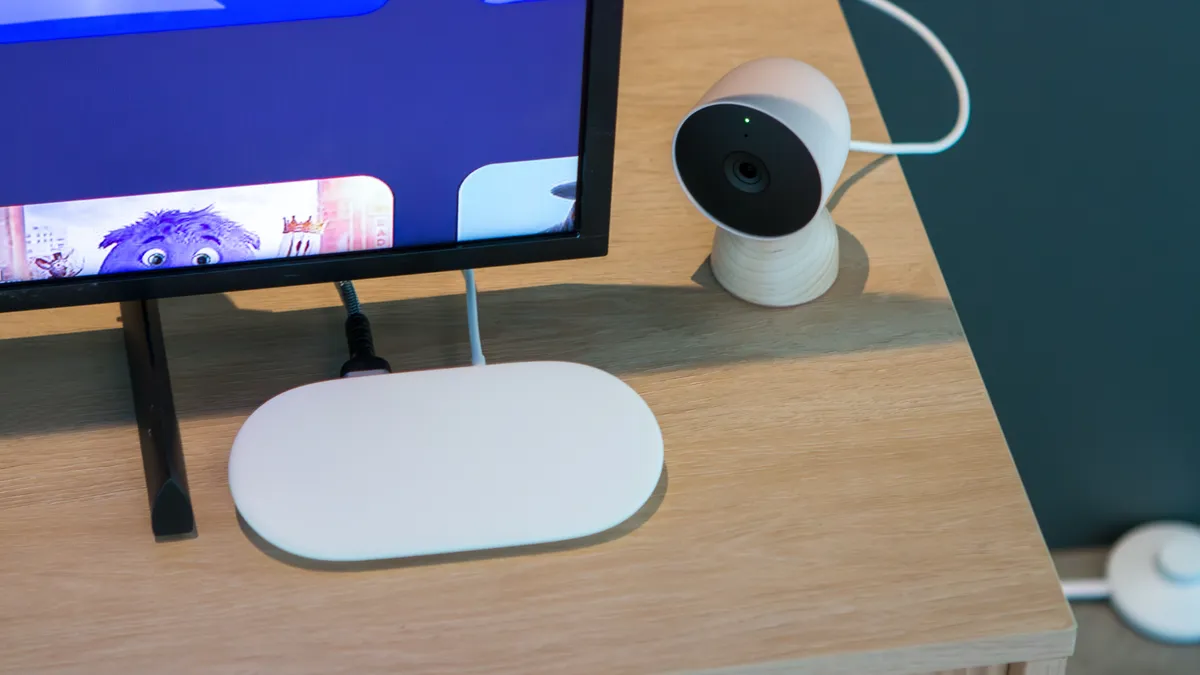
In a separate instance, Google managed to uncover crucial footage in the Nancy Guthrie kidnapping case from a Nest Battery Doorbell. The important evidence is certainly helpful to law enforcement, and we hope that Guthrie can be returned safely. However, since Guthrie didn’t have an active Google Home Premium subscription, the 10-day-old video recovered shouldn’t have been on Google servers to begin with. Here’s how the Federal Bureau of Investigation described how it found the footage:
Over the last eight days, the FBI and Pima County Sheriff’s Department have been working closely with our private sector partners to continue to recover any images or video footage from Nancy Guthrie’s home that may have been lost, corrupted, or inaccessible due to a variety of factors, including the removal of recording devices. The video was recovered from residual data located in backend systems.
FBI — Phoenix Field Office
For non-subscribers, Nest Batter Doorbell video is stored in the cloud for six hours. After that, it is supposed to be deleted. Google explains in a support document: “Your camera saves up to 6 hours of activity before it expires and is deleted.” With that in mind, how was Guthrie’s home video recovered “from residual data located in backend systems”?
No one knows exactly how this video was recovered. Well, except for Google itself. Android Central emailed Google to ask about how the footage was recovered, whether it surrendered the video to the FBI with or without a court order, and if it uses a secure erasure when Nest videos stored in the cloud expire or are deleted. We haven’t received a response yet, but will update this article if we do.
It’s worth pointing out that Google surrendering video to the authorities isn’t the controversial part here. Google’s official policies regarding data sharing with law enforcement make clear that it is willing to hand over data to the government in emergency situations:
If we reasonably believe that we can prevent someone from dying or from suffering serious physical harm, we may provide information to a government agency — for example, in the case of bomb threats, school shootings, kidnappings, suicide prevention, and missing persons cases. We still consider these requests in light of applicable laws and our policies.
The policies give Google a bit of room for discretion, but they explicitly list “kidnappings” as a situation when it “may provide information to a government agency.” The question to ask is why Google had the “expired” or “deleted” Nest video on its storage in the first place. Another one worth revisiting is why Google still doesn’t support end-to-end encryption for its Nest cameras, which would eliminate privacy and security issues like this one.
What you should take away from these recent controversies
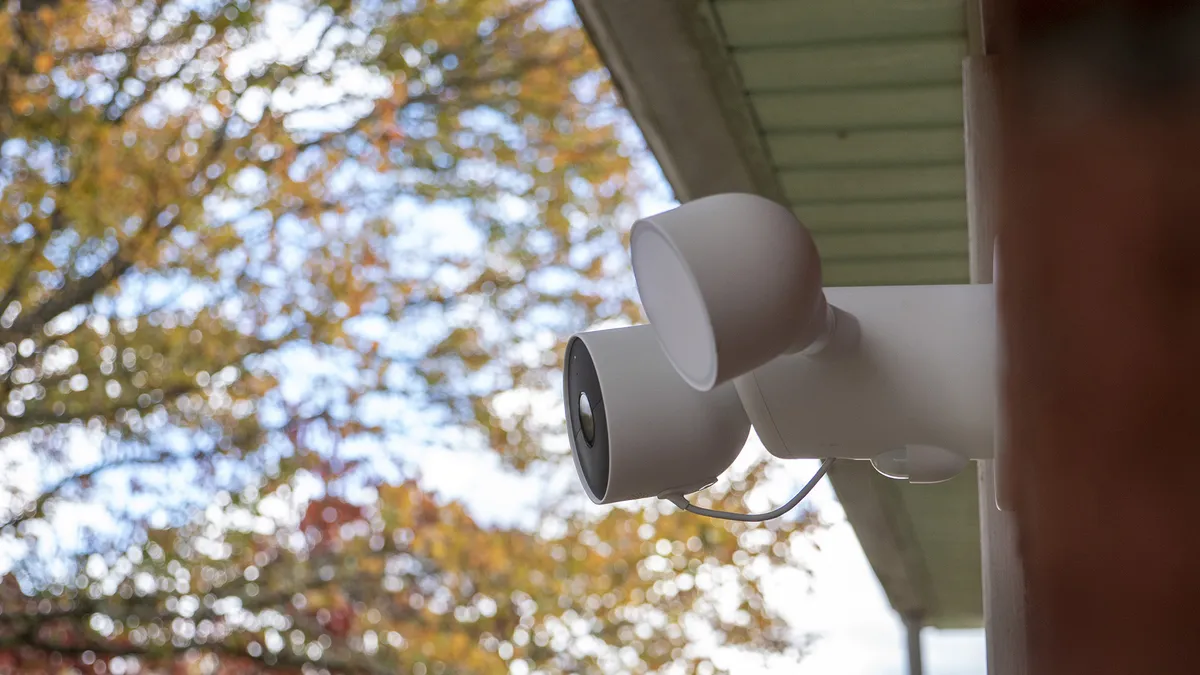
Now that you’re up to speed on the recent Ring and Nest controversies, what should you make of them? Really, they’re a reminder to do your research on the companies behind the gadgets you trust inside and outside your home.
If you don’t agree with Google Nest’s lack of end-to-end encryption or its cloud storage privacy concerns, you shouldn’t use them. If you’re worried about Amazon Ring’s history of far-reaching partnerships with law enforcement and surveillance companies, you should enable end-to-end encryption or avoid using them at all.
It’s up to all of us to do our due diligence to make sure we understand and trust the devices we put closest to us, especially cameras that send data into the cloud. I’d say it’s also up to Google to provide customers with a clear explanation of how it recovered data that should’ve been deleted. I’m a paying customer with Nest cameras and a Google Home Premium subscription. I, for one, want to know whether my data is kept on “backend systems,” too.
When in doubt, use end-to-end encryption or local storage for sensitive devices, like security cameras. It’s the only way to ensure you are in control of your data.

 By
By