
TL;DR
- Early benchmarks claiming to compare the Galaxy S26 and S26 Ultra have appeared online.
- The Snapdragon-powered Ultra appears to lead Samsung’s Exynos model in single-core performance.
- Multi-core scores are much closer, and we’re taking these pre-release benchmarks with a pinch of salt.
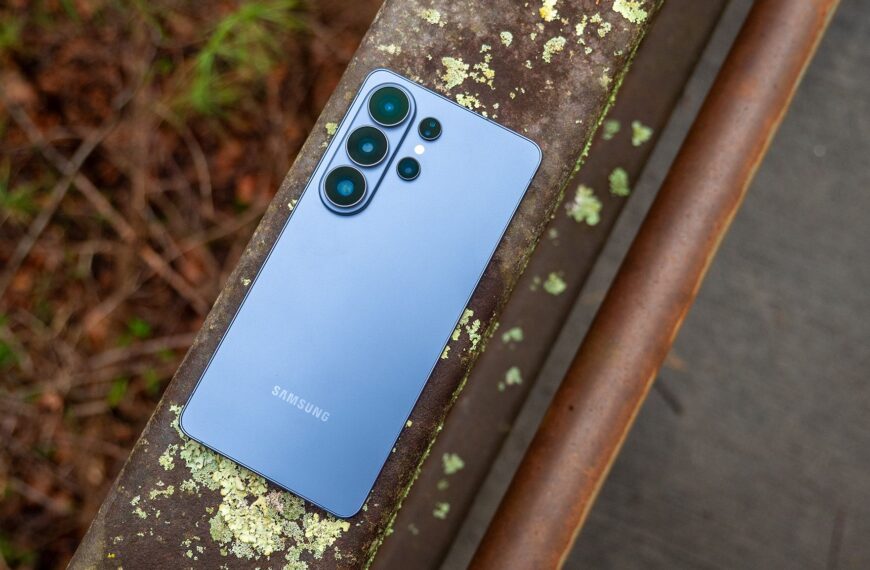
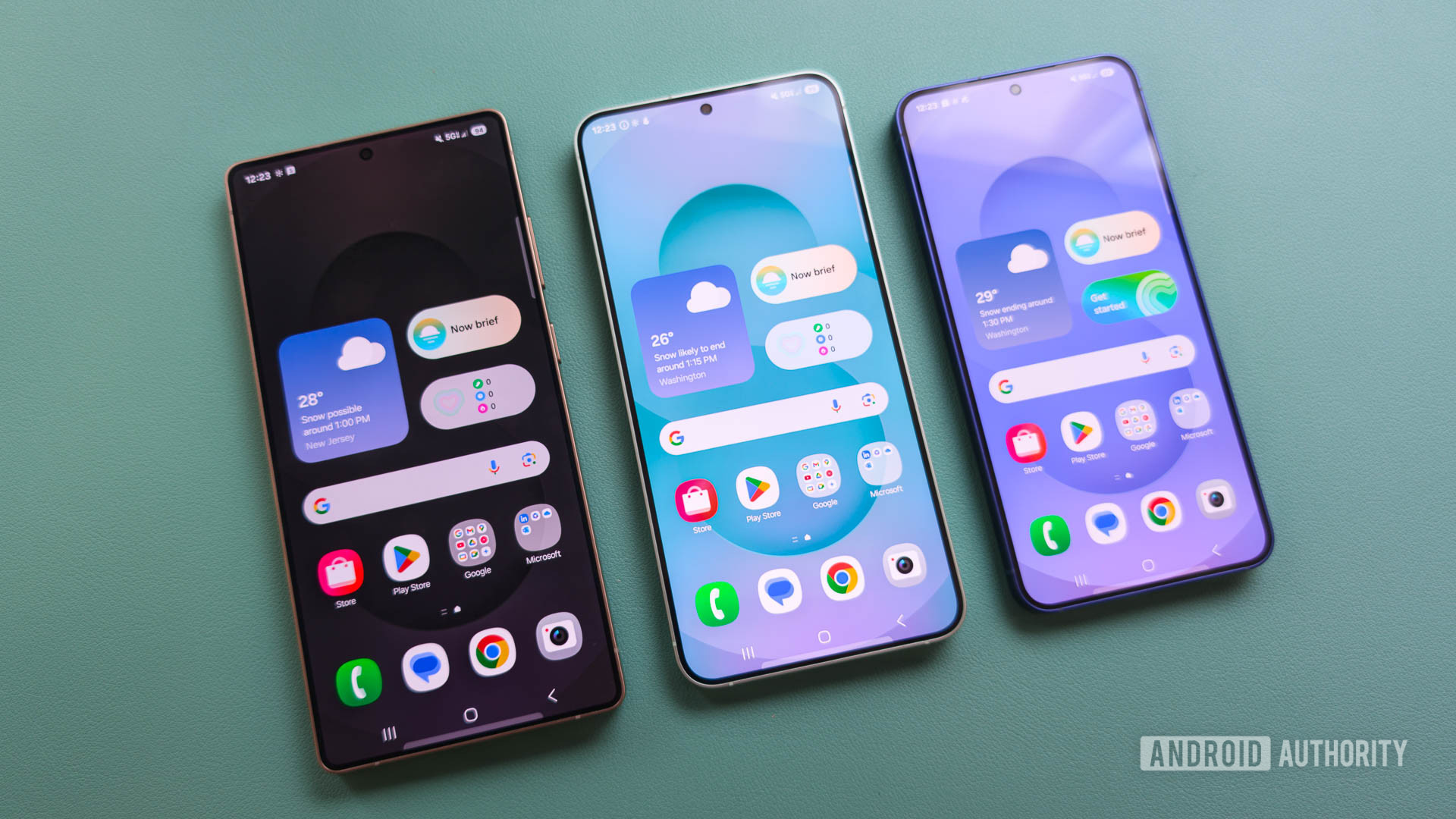
Samsung’s Galaxy S26 launch is a matter of days away, and we already knew the Ultra would use a Qualcomm processor, while the regular S26 models would rely on Samsung’s Exynos chip. If a new report is accurate, we now have a clearer picture of how those chips might compare, with early benchmarks between the standard model Galaxy S26 and the Ultra.
Don’t want to miss the best from Android Authority?


Greek outlet TechManiacs has shared screenshots of what it says are Geekbench 6.6.0 results for the Galaxy S26 and Galaxy S26 Ultra. The Exynos 2600-powered Galaxy S26 is shown scoring 3,197 in single-core and 11,012 in multi-core. The Galaxy S26 Ultra, running the Snapdragon 8 Elite Gen 5, reportedly reaches 3,724 in single-core and 11,237 in multi-core.
If those numbers are accurate, the biggest difference is in single-core performance, where the Ultra appears to be roughly 15% ahead. Multi-core results are much closer, with only a small gap between the two models in these tests.
The screenshots suggest the Snapdragon processor is running slightly overclocked, as the Galaxy version of the chipset does, which could have a hand in the single-core advantage. But as always with pre-release benchmarks, context matters. Early firmware, testing conditions, and thermal limits can all influence results.
Which Samsung Galaxy S26 Ultra upgrade excites you the most?
774 votes
For some perspective, when we tested last year’s Galaxy S25 series, we also saw small performance differences between the regular model and the Ultra, even though they used the same Snapdragon chip. The regular S25 trailed the Ultra by around 9–12% in single-core tests, likely due to cooling differences rather than the processor itself. Multi-core performance was much closer. In other words, a measurable gap on paper doesn’t always translate to a dramatic difference in day-to-day use.
There are still some unknowns here. The screenshots hide certain hardware details, and it isn’t entirely clear whether the outlet discovered or tested these results directly. As with any early benchmark leak, it’s wise to take the numbers with a pinch of salt until Samsung officially unveils the Galaxy S26 series on February 25.
Thank you for being part of our community. Read our Comment Policy before posting.
 By
By