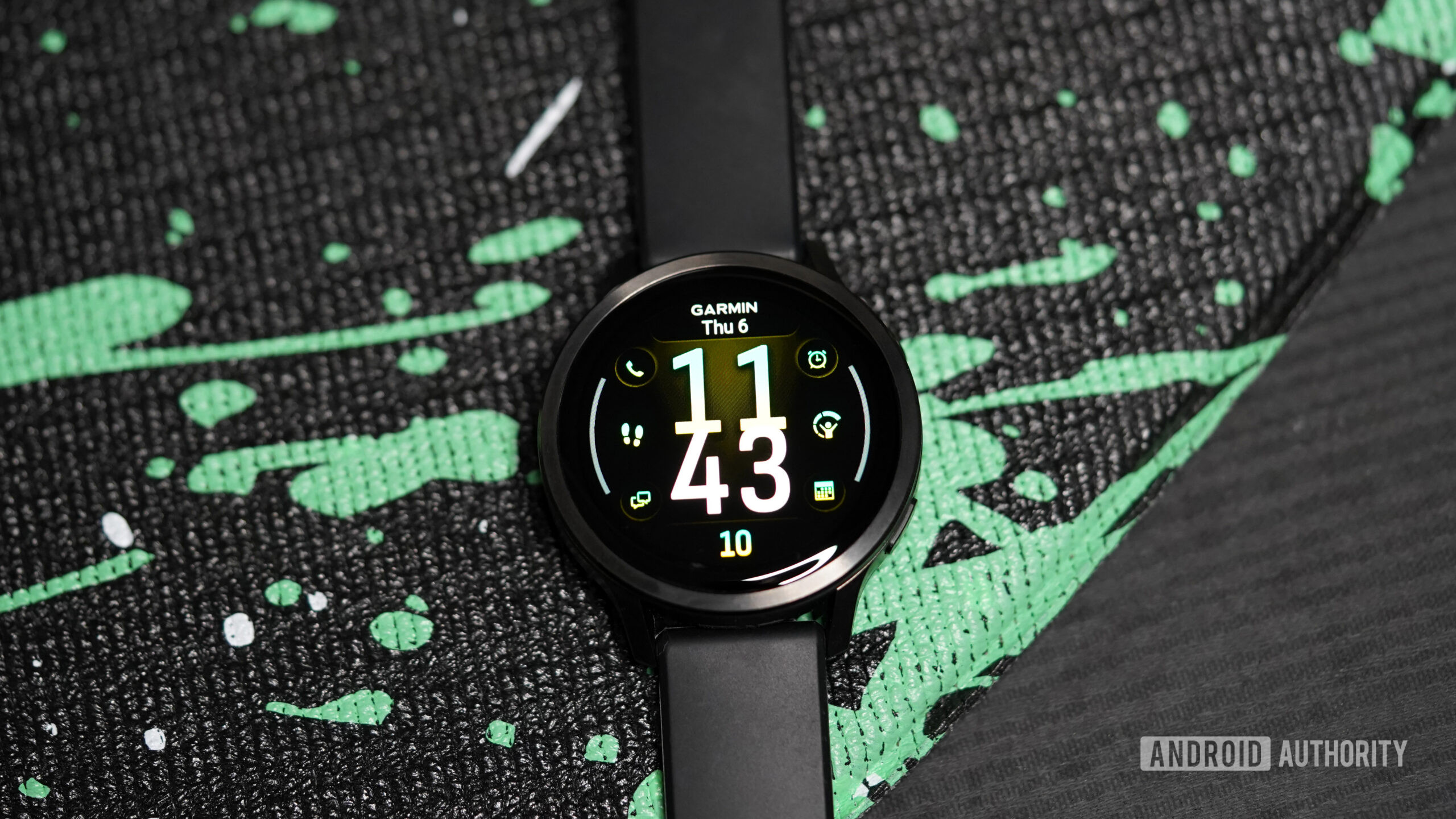


Kaitlyn Cimino / Android Authority
TL;DR
- Garmin has filed a patent describing a method to estimate HbA1c using optical sensors built into its watches.
- The approach would focus on long-term glucose trends rather than real-time readings.
- It’s theoretical for now, but echoes the market push for non-invasive metabolic tracking.
Glucose tracking is shaping up to be the next major frontier in wearable health. Nearly every major player has been rumored to be chasing a wrist-based solution, and now Garmin appears to be exploring its own approach.
A newly surfaced patent, spotted by Wareable, outlines a method for estimating HbA1c, the long-term marker doctors use to evaluate average blood sugar levels. The design uses optical sensors similar to those already built into Garmin watches. Unlike continuous glucose monitors (CGMs), which deliver real-time readings, this approach would focus on longer-term trends. In theory, that could give users a broader view of their metabolic health without finger pricks or external sensors.
Don’t want to miss the best from Android Authority?


The patent describes a light-based sensing approach that would analyze subtle changes in blood characteristics beneath the skin. By collecting optical data over time and applying algorithmic modeling, the system could attempt to translate those signals into an estimated HbA1c value. In other words, rather than measuring glucose directly, the watch would infer longer-term patterns from how light interacts with tissue and blood. It’s an ambitious idea, but one that would require significant validation before it could be considered reliable.
That said, this is still just a patent filing. Not every idea makes it to production, and anything tied to medical benchmarks faces serious accuracy and regulatory hurdles. It’s also worth noting that Huawei already offers a diabetes risk assessment feature on select watches, but that tool categorizes users into risk levels based on health trends rather than estimating a specific glucose metric. Garmin’s patent, by contrast, describes a theoretical method for estimating HbA1c, a defined clinical marker, rather than assigning a general risk score.
Thank you for being part of our community. Read our Comment Policy before posting.

 By
By