
With ASUS no longer making phones, Redmagic is the only gaming phone brand left, and to its credit, it is doing all the right things. I used the Redmagic 11 Pro when it debuted, and the addition of liquid cooling gave the device that little extra that gaming phones always need, and it was a gaming powerhouse.
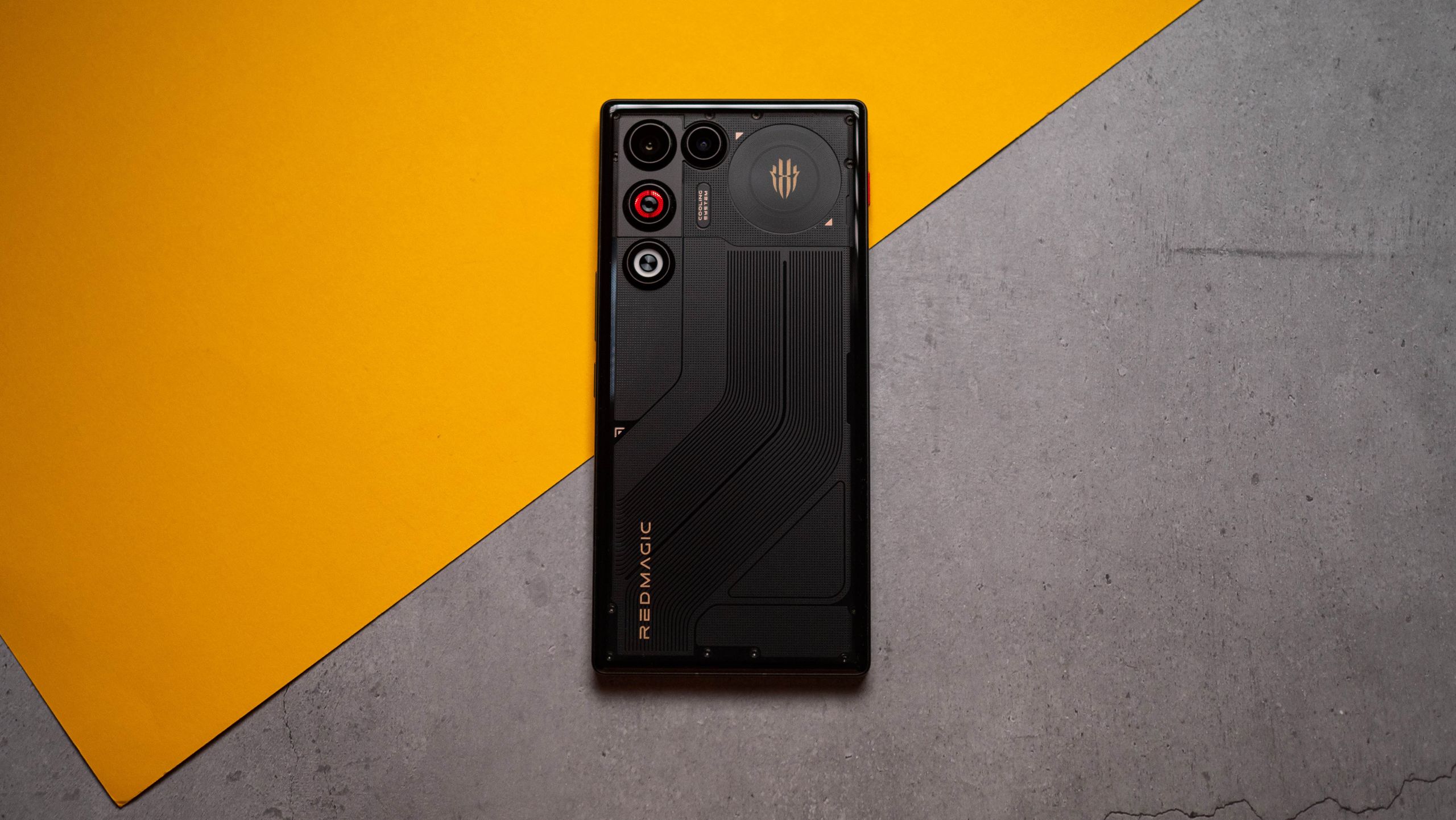
There’s now the Redmagic 11 Air; I still think it’s hilarious that the brand chose an Air moniker for a phone that weighs 207g and has a 6.85-inch panel and a huge 7,000mAh battery, but hey, at least it is lighter than the 230g 11 Pro. As you’d imagine from Redmagic, the 11 Air has high-end internals and a whole load of extras designed to make the most out of mobile gaming. After using the phone for two weeks, I’m convinced that this is a great gaming phone, and if anything, I prefer it to the 11 Pro — I’m focusing on four areas where the Redmagic 11 Air stands out.
A big AMOLED panel with no visible cutout

Redmagic went with the same 6.85-inch OLED panel as the 11 Pro, and this is absolutely the right call. Although it is bigger than most screens you see today, Redmagic did a terrific job ensuring the bezels are thin, so the device itself isn’t that much bigger or wider than other flagships. If anything, it is in line with the Galaxy S25 Ultra, and while it still resembles a brick, the lighter design makes a difference in day-to-day usability.
What I like the best about the OLED panel is that there’s no cutout, so you get a screen that isn’t marred by a front camera or any other obstruction. This makes playing games or watching multimedia on the 11 Air that much more enjoyable, and I don’t get why other brands don’t go the same route.
Image 1 of 3


The color vibrancy of the OLED panel is on par with the best Android phones, and you don’t miss out on any of the extras — you even get a decent amount of customizability when it comes to adjusting the colors to your preferences. Redmagic has an eye comfort mode as well, and there’s even a dedicated Read Mode that turns the panel monochrome, making it a great choice to read books.
But it’s while gaming where the panel on the 11 Air really shines; thanks to 144fps in select games alongside the lack of a visible cutout, the phone is objectively better for gaming than most other devices.
Internals you can rely on — and a battery that doesn’t quit

I get that Redmagic went with the Snapdragon 8 Elite instead of the 8 Elite Gen 5, and you know what? I didn’t notice any difference whatsoever. Last year’s Snapdragon 8 Elite is still a fantastic chipset, and it holds up just as well in demanding games — I didn’t run into any lag or slowdown in the dozen or so games I tested on the Redmagic 11 Air.

If anything, going with last year’s platform means Redmagic was able to avoid the overheating issues to an extent. The phone still gets hot, but it isn’t quite as much as devices powered by the 8 Elite Gen 5. Also, there is some throttling with extended gaming, and again, it is in line with what I see on other phones using the same silicon.
The rest of the hardware is great in its own right; the device gets 12GB of LPDDR5X RAM as standard, and comes with 256GB of UFS 4.1 storage. Snapdragon Sound is intact, and you get a 7,000mAh battery that lasts a day even with heavy use.
All the gaming extras you want

Like the rest of its gaming phones, the Redmagic 11 Air gets a dedicated Game Space that lets you customize the hardware and settings in individual games. It definitely makes a difference, and the ability to tune settings on a game-by-game basis is great.
Image 1 of 3


Also, while the list of titles that allow 144fps gaming is still pretty limited, it’s good to see that there are a few games that let you take full advantage of the OLED panel, and there are dozens of titles available at 120fps. While it doesn’t technically make a difference with gaming in general, it’s pretty cool to see RGB lighting on the rear of the device.
Although Redmagic makes a big deal out of the built-in cooling fan, I don’t see it making a tangible difference while gaming. Look, it’s definitely novel to have active cooling, but it doesn’t do much to prevent throttling.
A gaming phone that doesn’t break the bank

Coming in at $499, the Redmagic 11 Air costs $200 less than its sibling, and I don’t really see a reason why should buy any other gaming phone in 2026. The affordability makes it a better choice than just about anything in this category, and even if you’re not a gamer, the caliber of hardware you’re getting makes this a terrific deal.
Sure, the phone has middling cameras, and while you will get decent photos most of the time, it doesn’t hold a candle to the Pixel 10a or any other mid-ranger in this area. Outside of that though, there isn’t much missing with the phone; you get powerful internals, a gorgeous AMOLED panel, and unique gaming extras that make a difference.
Honestly, this is what I wanted ASUS to do with its gaming phones, and I’m glad that Redmagic is carrying that baton forward.

It may not have the latest silicon, but that doesn’t really matter — the Redmagic 11 Air excels where it counts, and it my go-to recommendation if you need a gaming phone in 2026.

 By
By