

IDC x AC

This is an exclusive column featuring expert analysts from International Data Corporation (IDC), who provide insights into the latest products, news, and more.
2026 marks the 20th anniversary of MWC in Barcelona, and instead of a big fat cake to celebrate, the mobile industry is facing one of the most unprecedented challenges in its history.
If you’re heading to Barcelona for Mobile World Congress 2026 expecting new Android phones and flashy demos, you’ll certainly not be disappointed. However, the real story runs deeper.
AI is becoming core to Android devices, foldables, and maturing into credible premium contenders, satellite connectivity is edging toward mainstream adoption, and a global memory crunch is reshaping pricing, upgrade cycles, and the broader industry landscape.
As an IDC market analyst, these are the themes I’ll be watching closely at MWC this year.
AI on smartphones: From feature to foundation
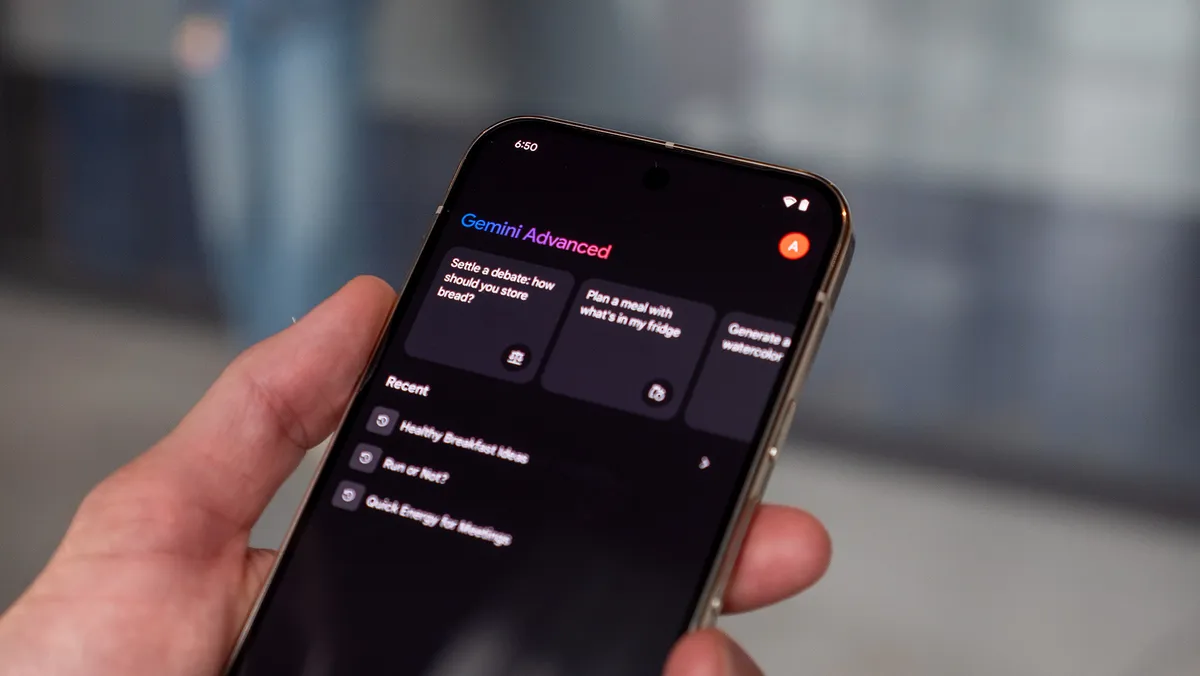
In 2024 and 2025, the smartphone industry was dominated by an experimental “AI awe” phase. Most devices announced were labelled AI-enabled, but despite the excitement, most felt experimental. In 2026, the defining shift will be the transition of generative AI from a “cool” feature to the device’s foundational architecture.
IDC forecasts that GenAI-enabled smartphones will account for over 37% of total shipments in 2026, representing a market value of $433 billion. The segment is expected to grow at an average annual rate of 32% over the next five years. Critically, the democratization of AI is finally reaching mid-range devices, enabling personalized, proactive assistants to run locally rather than relying on the cloud.
AI becomes foundational. On Android, that shift is particularly visible, as chipmakers such as Qualcomm and MediaTek, alongside Google’s own platform strategy, are expanding on on-device AI performance. More GenAI tasks are now processed locally rather than in the cloud.
However, the bigger change is architectural. AI is embedded into the OS itself, in app permissions, background services, and system-level workflows. It is no longer a standalone feature, but a structural component of the user experience. This will be a key message from most OEMs as they unveil their latest flagships.
From a market perspective, AI has become one of the primary drivers for sustaining premium pricing in a mature smartphone market.
The rise of agentic AI: When your Phone acts on your behalf

AI agents will dominate conversations at MWC. OEMs are expected to showcase on-device AI agents capable of autonomously executing multi-step tasks such as planning travel, coordinating schedules, and managing smart home environments. This will offer an enhanced user experience when compared to simply responding to prompts.
The technical foundation is already visible on Apple Intelligence or Samsung Galaxy AI. On Android, this will mean deeper Google Gemini integrations, smoother cross-app coordination, persistent contextual memory, and greater use of powerful NPUs in flagship chipsets.
Consumers will benefit from faster, more seamless task execution, while smartphone makers gain ecosystem stickiness.
However, agentic AI raises a strategic question: trust. When devices begin to act on the user’s behalf, privacy, transparency, and control become critical. Android’s openness remains a competitive advantage, but it also introduces complexity in delivering consistent and secure AI experiences across multiple vendors.
Foldables: From experiment to strategic pillar

Foldables still account for a single-digit share of total smartphone shipments (1.6% in 2025, according to IDC), but within the Android ecosystem, they play an outsized strategic role, accounting for 15% of the premium segment.
Samsung, Honor, Xiaomi, and others continue refining fold-type foldables as productivity-first devices rather than novelty hardware.
At MWC, we expect thinner designs, improved hinge durability, and reduced display creasing to narrow the gap with traditional bar-type smartphones.
From a market standpoint, foldables are less about volume and more about defending the premium tier. In a world where smartphone innovation feels incremental, foldables offer differentiation and margin protection.
The real question isn’t whether foldables will dominate shipments in 2026 — they will not. It’s whether they will become the growth engine at the high end of the market.
The memory crunch: Pricing pressure increases

While AI dominates the headlines, supply chain dynamics are becoming more influential.
Memory manufacturers are prioritising high-bandwidth memory (HBM) for AI data centres, tightening supply for the DRAM and NAND components used in smartphones. This reallocation is placing upward pressure on component costs across consumer devices.
For Android buyers, this may mean fewer aggressive mid-range price cuts and more cautious storage configurations at entry levels. For OEMs, the challenge is balancing AI-driven performance requirements, which demand more memory, with consumer sensitivity to rising prices.
For years, the industry has relied on predictable declines in component costs to sustain innovation without inflating retail prices. That assumption is now under strain, and it may influence upgrade cycles more than any single feature announcement.
IDC expects the memory supply challenges to persist throughout 2026 and likely well into 2027. There is no scenario in our current model in which memory pricing returns to 2025 levels within the forecast period
The downstream consequences of the crisis are becoming clearer and will reshape competitive dynamics in the PC and smartphone markets, and will be at the top of every conversation in Barcelona next week.
Power innovation: Charging and battery chemistry

Battery technology is quietly becoming one of the most meaningful enablers of next-generation Android devices.
Ultra-fast charging, with demonstrations approaching 300W in controlled environments, shifts the narrative from “all-day battery” to “minutes of charging.” This could change user behaviour from overnight charging to rapid top-ups throughout the day. The real test, however, will be long-term battery health and thermal management.
At the same time, silicon-carbon anode batteries are increasing energy density compared to traditional graphite lithium-ion cells. This allows manufacturers to pack larger capacities into the same footprint or design thinner devices without sacrificing endurance.
As on-device AI workloads and high-refresh displays push power consumption higher, improvements in battery chemistry become strategically essential rather than incremental. At MWC, we expect OEMs to frame battery and charging not as secondary specifications, but as core enablers of AI performance.
Satellite connectivity: Expanding the coverage map
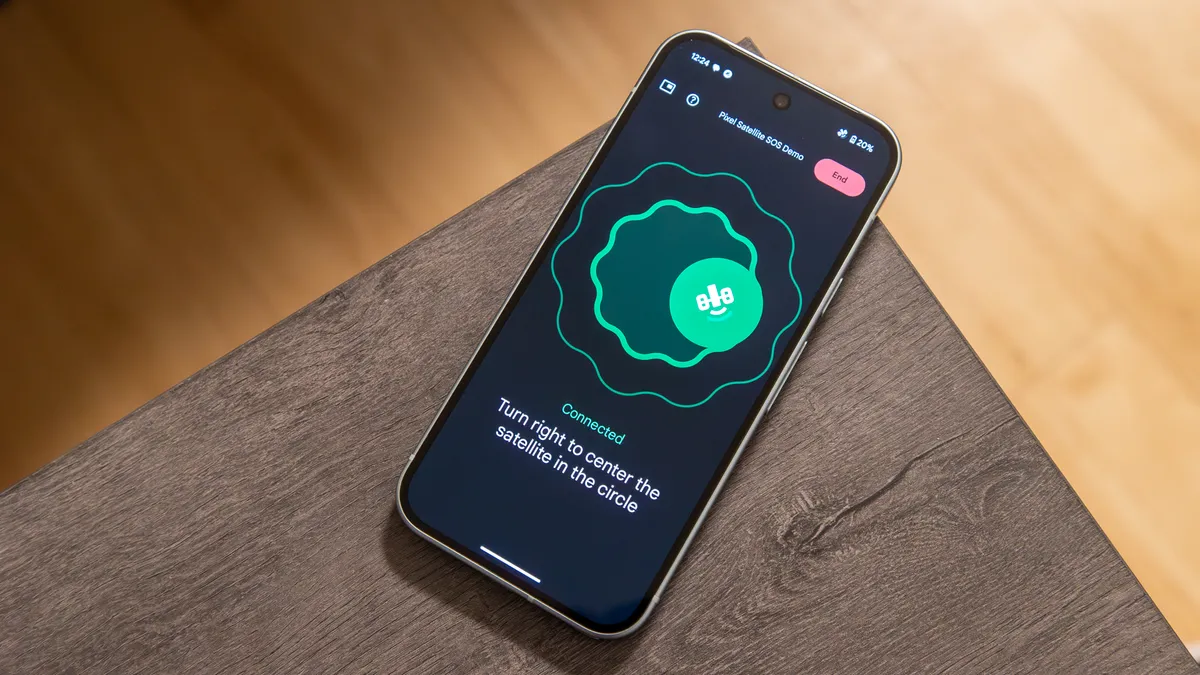
Satellite connectivity is evolving beyond emergency-only use cases. Discussions at MWC are expected to focus on non-terrestrial networks and expanded messaging capabilities, alongside deeper partnerships between mobile operators and satellite providers.
For Android users, satellite integration promises extended coverage in remote areas and improved resilience during natural disasters. The technology itself is largely proven. The next phase will depend on commercial models, carrier integration, and pricing structures that make satellite access practical rather than purely promotional.
Smart glasses

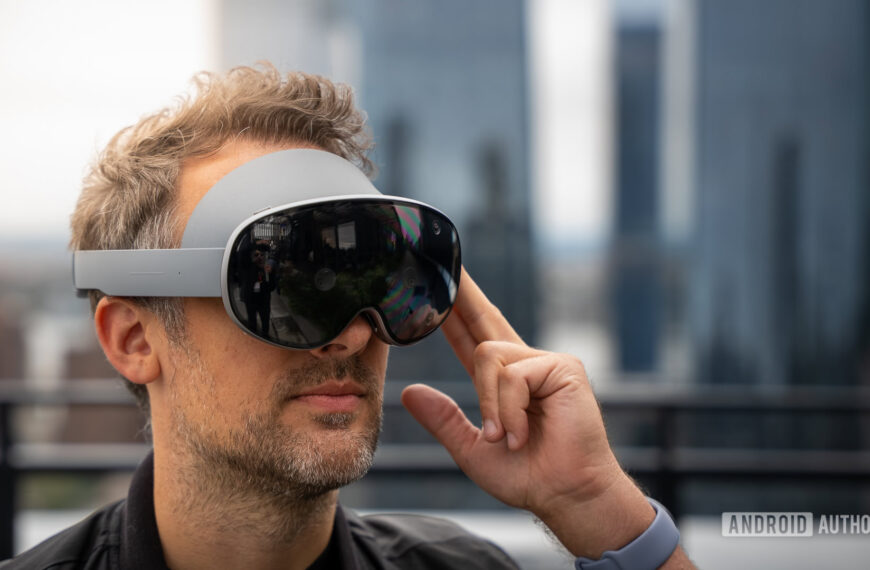
AI-powered smart glasses are emerging as a complementary interface to the smartphone. Advances in optics, miniaturisation, and AI processing are enabling the development of contextual assistants embedded directly into eyewear. For the Android ecosystem, this presents an opportunity to extend AI experiences beyond the handset while reinforcing the broader device portfolio.
Shipments of smart glasses will grow 50% in 2026 to just under 14 million units, according to IDC. While modest compared to smartphone volumes, smart glasses represent a strategic early step toward ambient computing, where the smartphone becomes one node in a larger AI-driven personal network.
Twenty years on

Twenty years after MWC arrived in Barcelona, the smartphone is no longer just a mobile communications device. It is becoming a personal AI endpoint at the center of a broader connected ecosystem. The companies that succeed in this next phase will be those that combine intelligent software, resilient supply chains, and coherent ecosystems — not just compelling spec sheets.
MWC 2026 will not be only about new hardware announcements. It will signal a structural inflexion point.
AI is becoming architectural rather than optional. And yet, despite decades of exponential innovation with faster processors, sharper displays, better cameras, foldable form factors, and intelligence, the industry finds itself constrained by something far more fundamental.
A component long taken for granted is now dictating the pace and economics of innovation. For years, the assumption was clear: component prices, particularly DRAM and NAND, would decline predictably. This assumption no longer holds. Supply chain reallocation toward AI infrastructure has tightened availability and costs.
After decades of engineering breakthroughs, the smartphone industry is being reminded of a simple truth: technological progress is only as strong as the supply chain beneath it.
So my main question heading into MWC 2026 discussions is simple: will competitive advantage come from software intelligence or supply chain resilience?
About IDC
IDC is a leading global provider of technology research, insights, and events. With a network of more than 1,000 analysts across over 100 countries, IDC delivers trusted intelligence on tech markets, trends, and opportunities to help businesses and IT leaders make informed decisions. Learn more today at IDC.com.
 By
By