

TL;DR
- Samsung confirmed at MWC 2026 that the next Galaxy Watch will feature Qualcomm’s 3nm Snapdragon Wear Elite SoC.
- The chip includes a dedicated Hexagon NPU, enabling on-device AI features like smart replies, text summaries, and AI fitness coaching.
- This move suggests a pivot away from Samsung’s Exynos W1000 toward Qualcomm to better support “holistic wellness” and potentially AI use cases.
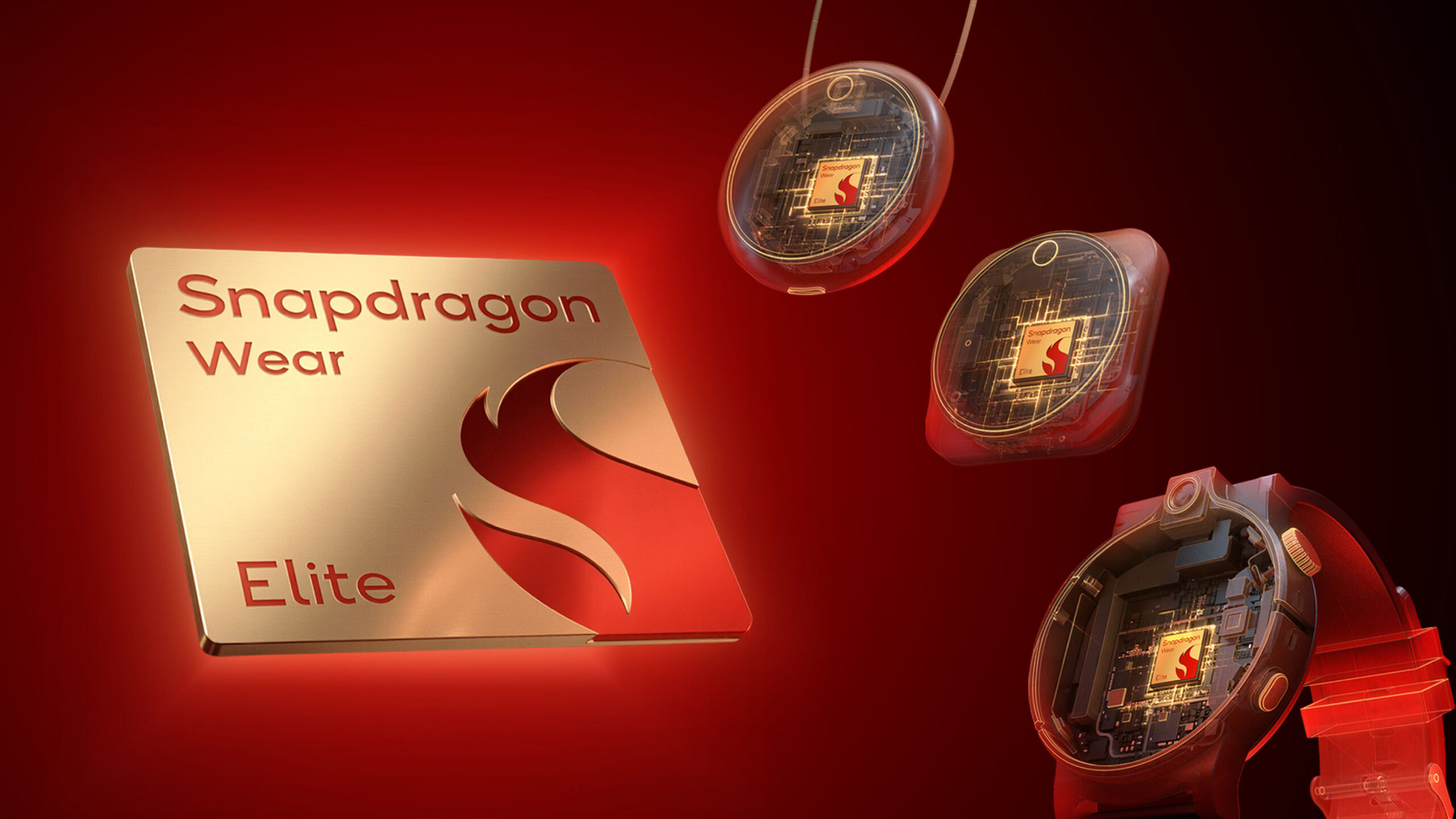
At MWC 2026, Qualcomm just announced the Snapdragon Wear Elite chip for smartwatches and other AI-centric wearables. This chip marks a major step up from previous Snapdragon Wear chips like the already pretty good Snapdragon W5 Plus Gen 1. There’s more big news flowing in from Qualcomm’s press conference, though, as Samsung took to the stage to confirm that the next Galaxy Watch will feature this new Snapdragon Wear Elite SoC.
Don’t want to miss the best from Android Authority?


Mr. InKang Song, Executive Vice President and Head of the Technology Strategy Team at MX Business, Samsung Electronics, confirmed on stage at Qualcomm’s press conference that the next-generation Galaxy Watch will integrate the new Snapdragon Wear Elite SoC. The next Galaxy Watch will be an “even more holistic wellness companion.”

C. Scott Brown / Android Authority
Qualcomm notes in its press release that the first commercial devices powered by Snapdragon Wear Elite are expected to be available in the next few months. However, it’s not clear whether this refers to the Galaxy Watch 9, the Galaxy Watch Ultra 2, or another wearable. Motorola’s Project Maxwell proof-of-concept wearable, showcased at CES 2026, is also powered by the Snapdragon Wear Elite.

The Snapdragon Wear Elite is manufactured on a 3nm process, compared to the 4nm Snapdragon W5 Plus Gen 1, but similar to the 3nm Exynos W1000 that is already on the Galaxy Watch 7, Galaxy Watch 8, and Galaxy Watch Ultra. The Wear Elite’s core configuration is somewhat similar to the W1000, with 1x performance core and 4x efficiency cores, though we still don’t know the exact core configuration for the Wear Elite for a proper comparison.
What makes the Wear Elite interesting is that it brings improved AI hardware, starting with the embedded NPU. This supports low-power use cases like keyword/activity recognition and noise cancelation or suppression. This is also the first Snapdragon wearable chipset with a dedicated Hexagon NPU, enabling on-device AI models and potential use cases such as smart replies, text creation, text summaries, and fitness coaches.
Given Samsung’s recent push into AI, swapping out from the company’s Exynos W1000 SoC to the Snapdragon Wear Elite makes sense for the next-generation Galaxy Watch. It remains to be seen just how much performance or battery life improvement we can see from this switch, though our expectations are more aligned with enhancements in AI-based use cases.
Thank you for being part of our community. Read our Comment Policy before posting.
 By
By