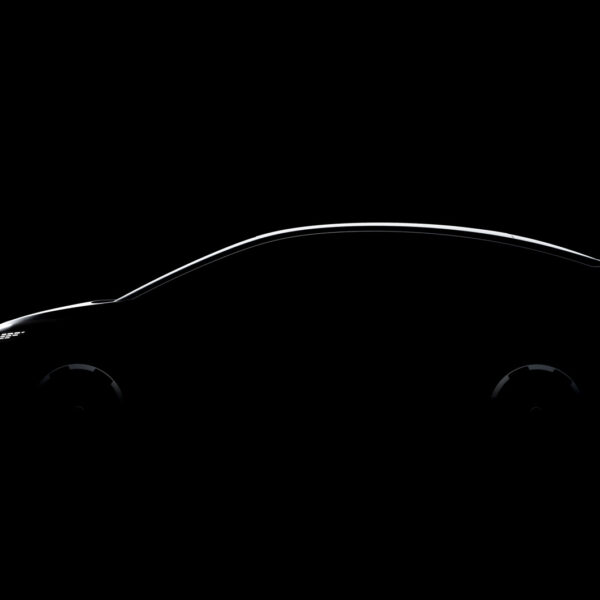

Mercedes-Benz will unveil 40 new or facelifted models this year, but arguably the most important is the C-Class EQ.
Having until now concentrated its electric efforts in luxury segments with the EQE and EQS, this is the first time the brand is targeting the area dominated by the Tesla Model 3 – and it’s doing so with an EV version of its best-selling model.
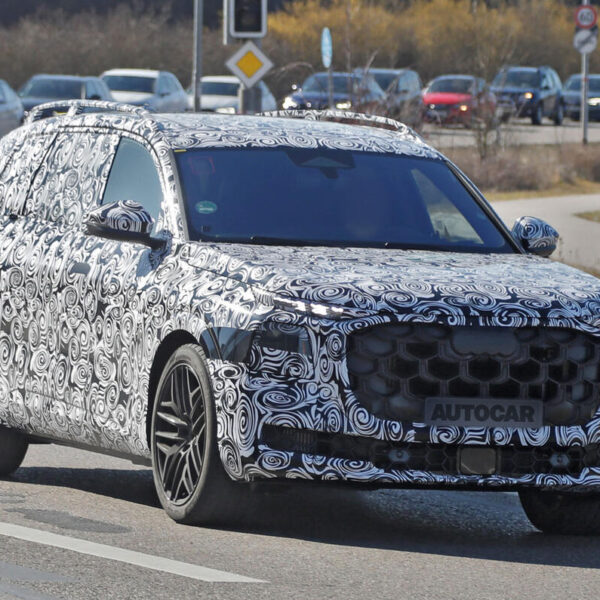
It arrives at a time when its key rivals are doing the same: the BMW i3 (an electric 3 Series) will be revealed tomorrow and Audi is planning to launch an electric A4 E-tron later in the decade.
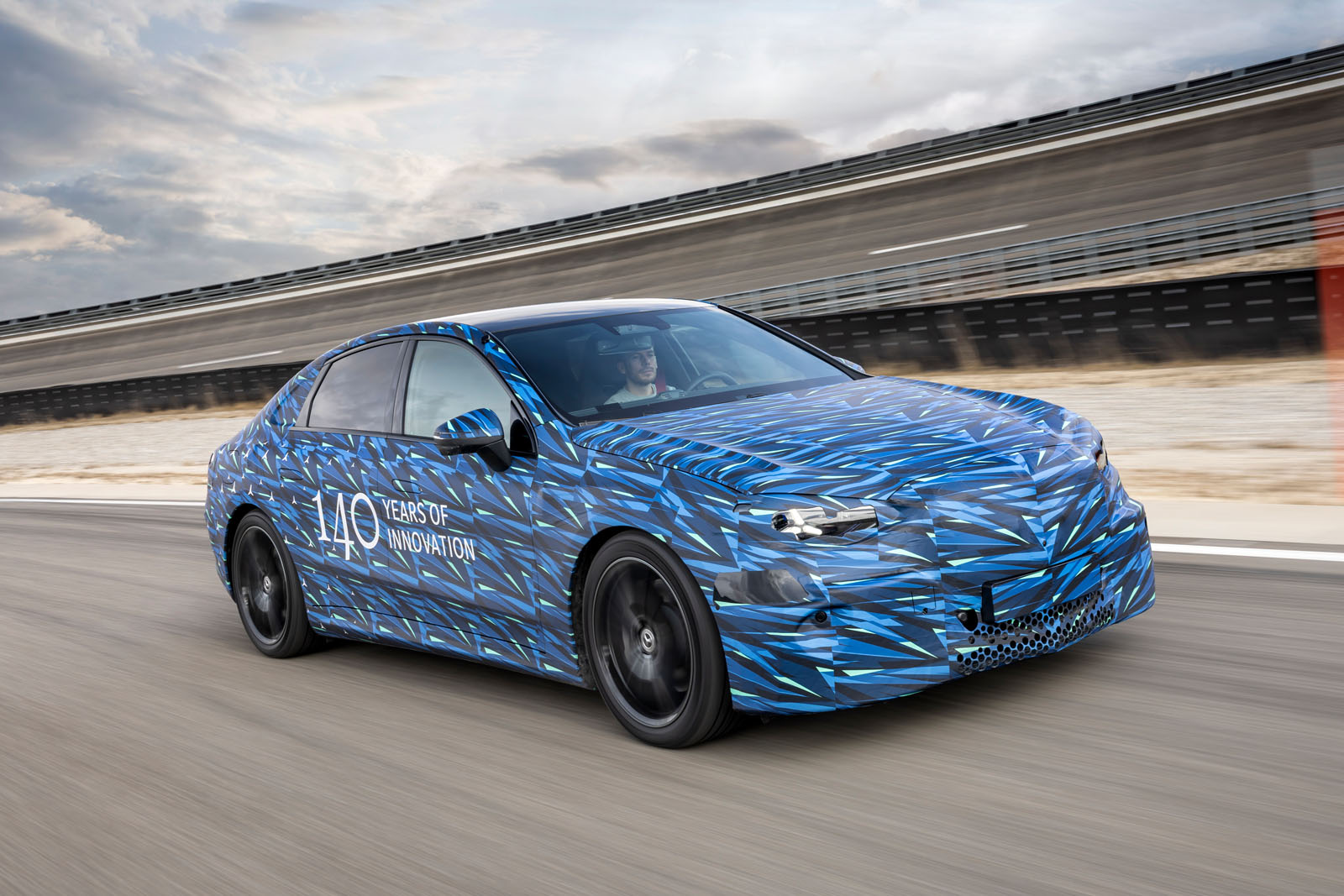
Before the new C-Class EQ is unveiled next month, Autocar has been given a ride in a development prototype at Mercedes’ Immendingen proving ground in southern Germany.
The pre-production prototype is heavily disguised, but the differences to the ICE C-Class are clear: the front end is more upright, it sits lower and the rear window is set at a much steeper angle (likely for aerodynamic purposes). Inside it is bigger, too, thanks to its longer wheelbase and wider tracks.
The EV is the second Mercedes to use the company’s 800V MB.EA architecture. Several battery sizes are planned, ranging from 64kWh to 94kWh. Range will be “beyond 435 miles”.
During my first laps, it quickly becomes clear how agile the new car is. There is impressive resistance to body roll and particularly strong front-end grip. The effect of the optional rear-wheel steering becomes evident through tighter bends.
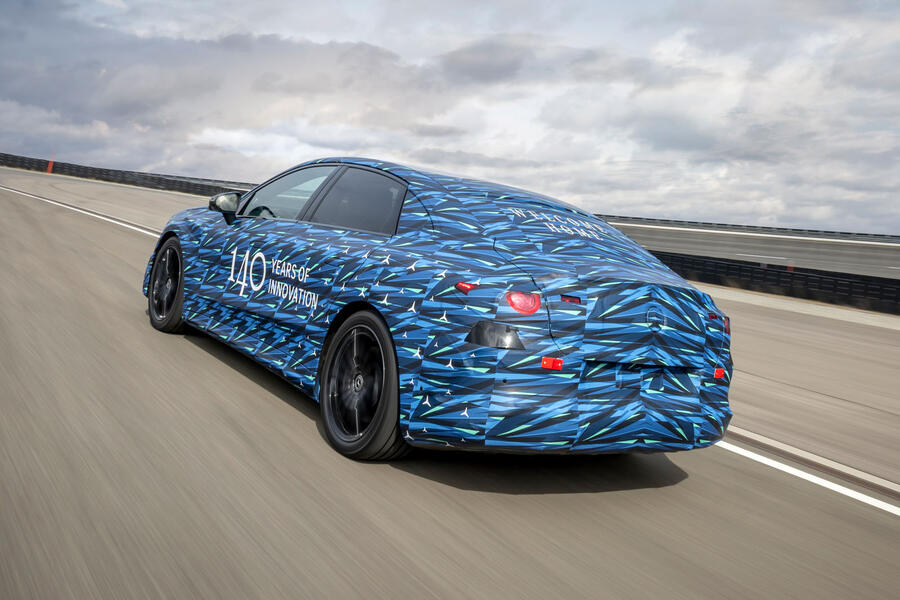
We then move to a road similar to what you would find in the UK, used to expose weaknesses in suspension tuning. Yet the cabin remains strikingly calm. Road noise is subdued.
“We wanted a car that feels light on its feet but still delivers the customary comfort of the current C-Class,” explained engineer Ewald Dirks. “The goal was that the driver should not really sense the added weight brought by the switch to electric power. Compared with the ICE C-Class, it is another level. There is also a much broader spread between the sportiest and most comfortable settings.”
The road deteriorates further. Small, sharp bumps ripple through the surface. But the prototype absorbs the impacts with impressive composure and control.
Throughout my time as a passenger, one characteristic stands out above all: refinement. Mercedes appears to have replicated the dynamic qualities that have long defined the C-Class.
 By
By