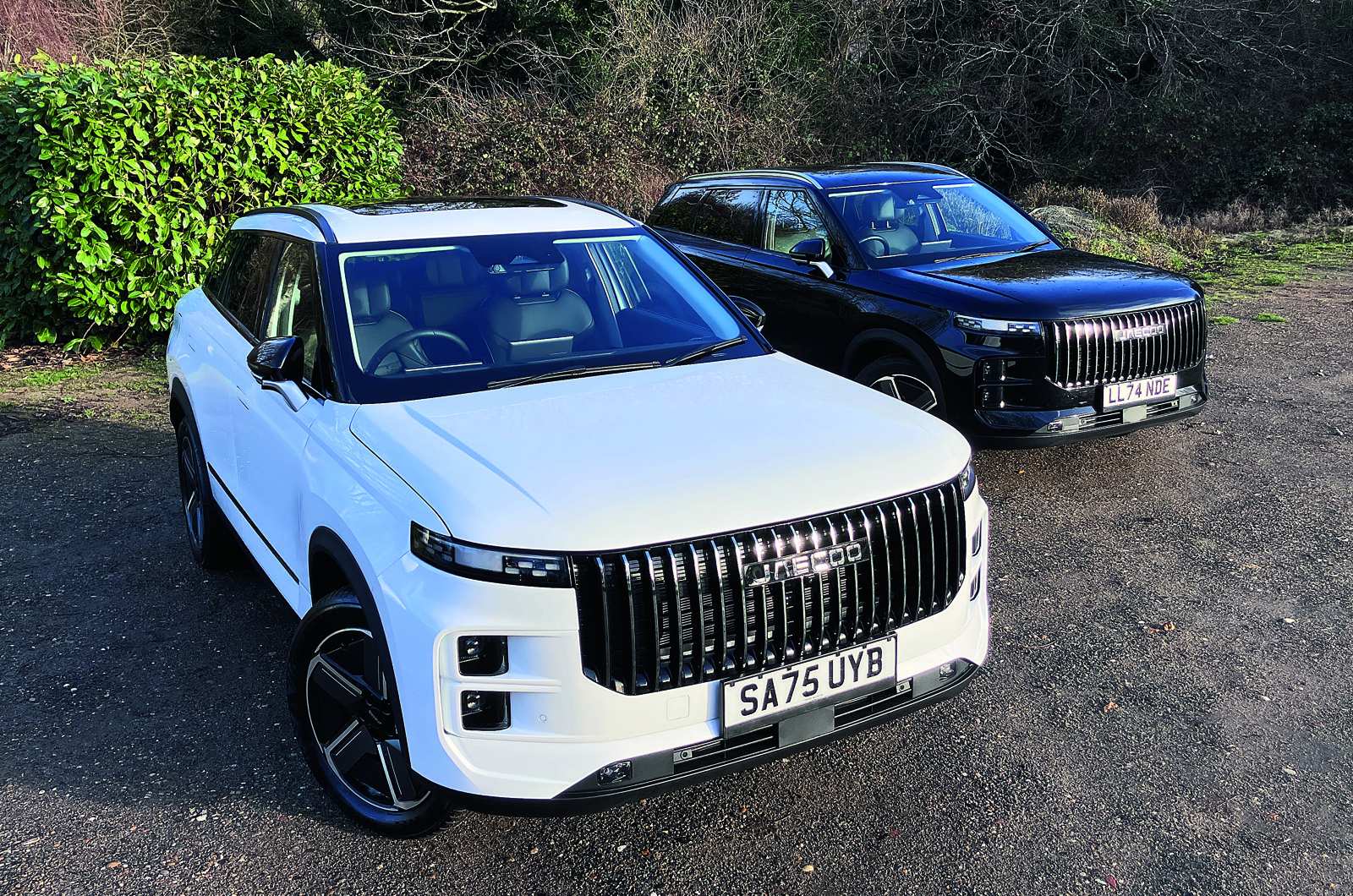

Regrets, I’ve had a few… and now there’s a new one to add to the list: opting for the four-wheel-drive 1.6T petrol version of the Jaecoo 7 rather than the 1.5 SHS plug-in hybrid model.
With the Jaecoo 7 freshly declared the UK’s best-selling car in March, I’m looking back at the months I spent living with a top-spec Luxury variant, during which time I covered a whopping 6000 miles and really got under the skin of this budget-friendly family SUV. But did I make a massive mistake at the very first stage?
When I got my car a few months ago, the price difference between the two (both in Luxury trim) was £2315, but that gap has narrowed and now the PHEV is just £1180 more, at £35,175. More significantly, when I did a bit of shopping around for leasing options, I discovered that some providers were offering deals comparable to the £30k entry-level 2WD Deluxe model, despite the PHEV being Jaecoo’s flagship.
That wouldn’t be quite so much of a problem if the car were no better than what I already have, but I recently got the chance to sample a PHEV for a few days and frankly now think I’ve made a mistake.
In place of a 145bhp 1598cc turbo petrol four driving all four wheels through a seven-speed dual-clutch transmission, the PHEV deploys a 1499cc four-cylinder turbo four combined with an electric motor and an 18.3kWh battery, driving the front wheels via a CVT.
The PHEV’s two powerplants muster a combined 201bhp and 229lb ft of torque (to my petrol car’s 203lb ft), but the difference feels much greater. It’s still hardly a dynamic masterpiece, particularly in terms of ride and handling, but where in the petrol car you suffer frustrating start/stop delays and have to keep the engine on the boil to make meaningful progress, the PHEV’s performance feels both instant (0-62mph in 8.5sec rather than 11.8sec) and effortless.
Even if it were significantly costlier, you would soon claw that back at the pumps: where my petrol car’s on-board trip meter has been showing a paltry 30.4mpg average, the PHEV didn’t drop below 40.7mpg and was consistently nudging into the 50s (admittedly rather different to the ridiculously optimistic official figure of 403mpg).
Even better, its claimed 56-mile electric range is enough for me to get to work and back on a single charge without burning any fuel.
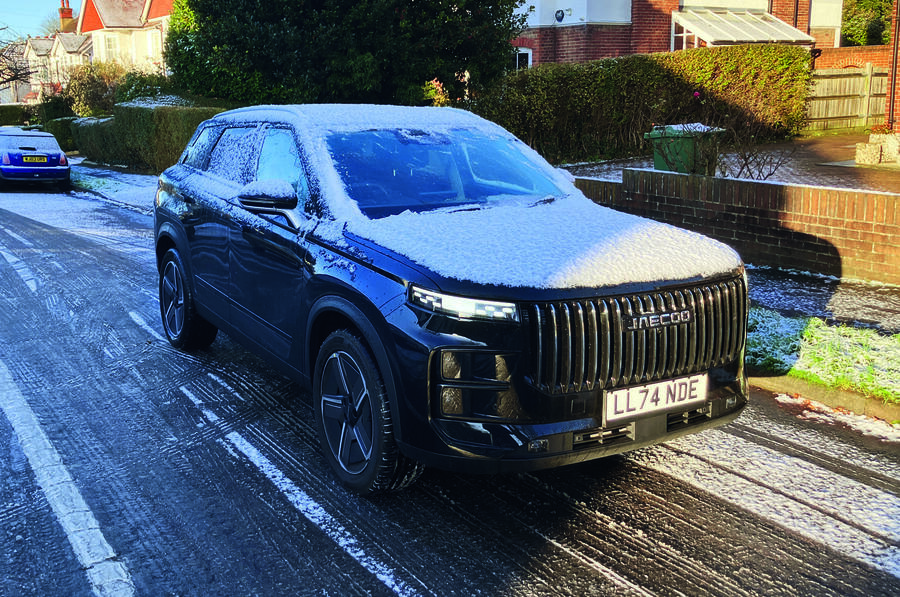
When it does spark up, the engine can be intrusive (when the battery depleted on the motorway at 70mph, it suddenly came to life and thrashed away at high revs until it had topped up the charge level) and stomping on the throttle delivers an alarming ‘overboost’ sensation that gives the impression of a runaway train, but on the whole it made for a far more relaxing and refined companion than my petrol car.
 By
By