

TL;DR
- Huawei has announced its latest Pura 90 series phones, including Pura 90, 90 Pro, and 90 Pro Max.
- The Pura 90 Pro Max features a special 200MP RYYB telephoto sensor that enables more light in low-light scenarios.
- Huawei also claims 20x optical-quality zoom with the Pura 90 Pro Max.
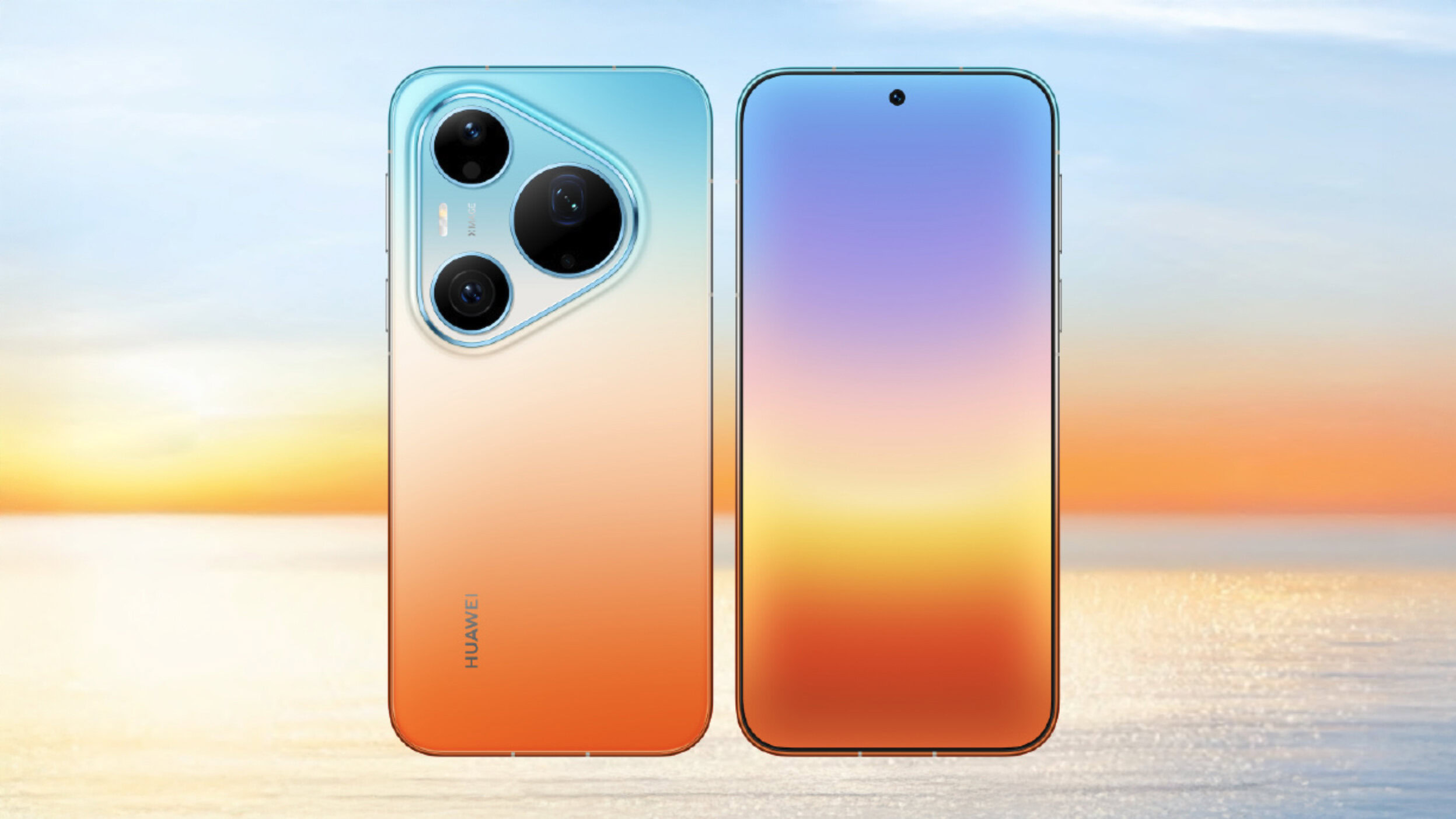
Huawei today unveiled its new camera-centric flagships, the Pura 90 series, at an event in China. Today’s launch largely focuses on the Pura 90 Pro and Pura 90 Pro Max — dual successors to last year’s Pura 80 Pro. Notably, a follow-up to the Pura 80 Ultra is missing from the lineup, and Huawei hasn’t shared much on its availability yet. Let’s see what the new phones have to offer.
Don’t want to miss the best from Android Authority?


Design-wise, there aren’t substantial differences from last year’s Pura 80 series. We still see the triangular camera island from last year. However, instead of the solid colors of the previous generation, we see a shift back to gradients that were popular until a few years ago.
Huawei Pura 90 Pro Max

The most notable changes to the phones come to the cameras. The more premium variant, Pura 90 Pro Max, now features a 200MP periscope telephoto with a 1/1.28″ sensor size — a step up from the 50MP 10x telephoto on the Ultra last year. The zoom, however, has been reduced to just 4x. That suggests an Ultra might arrive later.
Huawei also says this is the world’s first 200MP RYYB (Red-Yellow-Yellow-Blue) sensor. Huawei has been using RYYB sensors instead of traditional RGB ones for several years now, and these deliver more light, enabling a higher level of detail in low-light scenarios. The telephoto here should be the same as compared to other devices with 200MP telephoto cameras, including OPPO Find X9 Pro/Ultra and Vivo X300 Pro/Ultra.
Huawei says the sensor can be used for 200MP RAW photography and to shoot videos with near-optical quality at 20x zoom.
Meanwhile, the Pro Max features a 50MP primary sensor, which also supports LOFIC HDR, similar to the Xiaomi 17 Ultra. This allows for better contrast and ensures balanced illumination across the frame, especially in low light. The phone also gets a 40MP ultrawide-angle camera.
The Pura 90 Pro Max also supports an add-on camera lens with an additional 3.3x optical zoom to enhance the phone’s zoom capabilities. Huawei claims it can capture flawless shots at roughly 27x zoom.
Huawei Pura 90 Pro

The Pura 90 Pro also comes with three cameras, but instead of the 200MP telephoto, it only gets a 50MP sensor with 4x optical zoom.
The Huawei Pura 90 Pro and the Pro Max feature the same internal hardware, including a Kirin 9030S chip with up to 16GB of RAM. The phones are also powered by Harmony OS 6.1, and the interface largely mimics Liquid Glass from iOS 26.
The Pura 90 Pro comes with a 6.6-inch LTPO AMOLED with curved edges and corners, while the Pro Max gets an even bigger 6.9-inch panel with similar features.
Huawei Pura 90

The standard Pura 90 also got a passable mention at the launch. Along with a solid set of cameras for a non-Pro phone, the Pura 90 gets a slim profile, measuring only 7mm, despite a large 6,500mAh battery.
For cameras, the Pura 90 gets a 50MP primary, a 50MP telephoto with 3.7x optical zoom, and a 12.5MP ultrawide-angle camera on the back. The phone also features a 50MP selfie camera.
Huawei Pura 90 series pricing
The Huawei Pura 90 Pro Max starts at 6,499 yuan (~$950) for the 12GB+256GB variant and goes up to 8,499 yuan (~$1,250) for the 16GB+1TB variant. The camera extender kit costs 1,899 yuan (~$280).
The Huawei 90 Pro starts at 5,499 yuan (~$810) and goes up to 7,499 yuan (~$1,100) for configurations with similar RAM and storage to the above.
The base Pura 90 starts at 4,699 yuan (~$690) for the 12 GB+256 GB variant and goes up to 5,699 yuan (~$835) for the 16GB+512GB variant. There’s no 1TB variant available for this.
All these devices will be available in China from April 29, while details about availability in other countries remain elusive. Given the US sanctions on Huawei, you may not be able to use it with any carrier, even if you import it via AliExpress or a similar e-commerce platform.
Thank you for being part of our community. Read our Comment Policy before posting.

 By
By