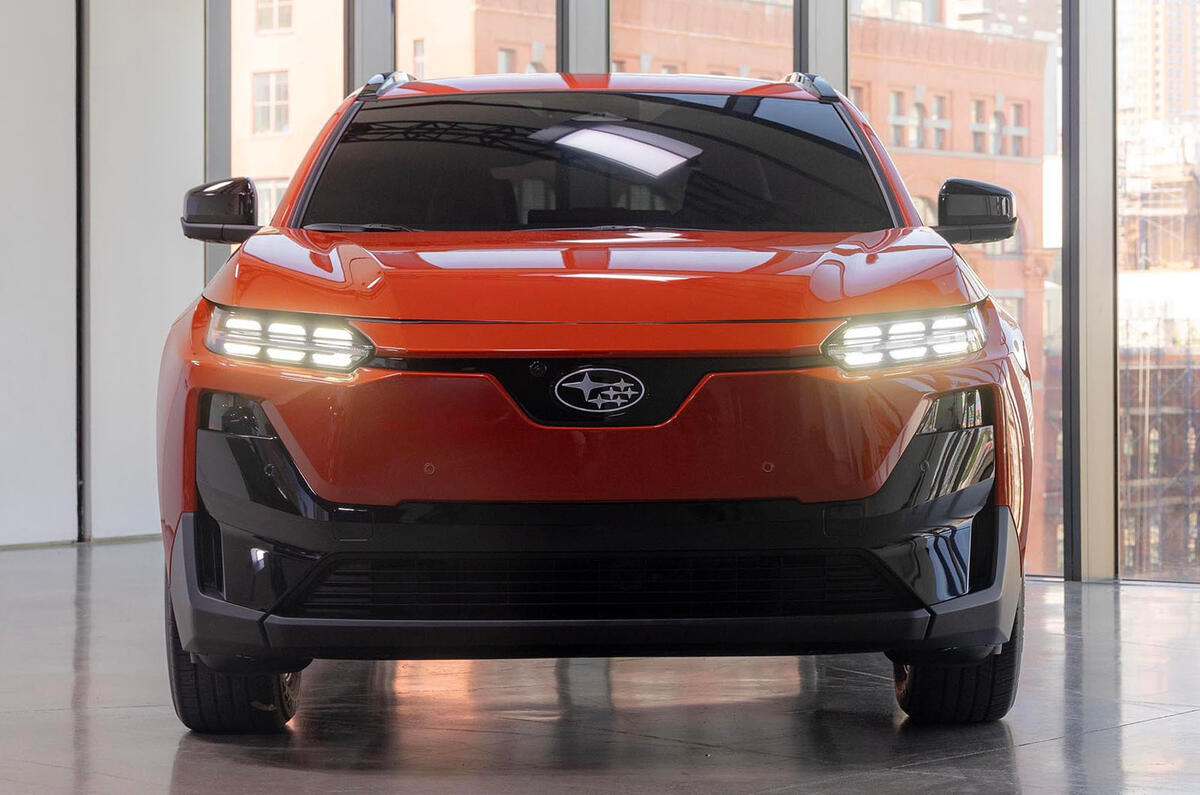

“Subaru hasn’t always been successful in the US,” he says. “They were struggling because their models were too expensive and they couldn’t control their dealer network, who were discounting cars because they couldn’t sell them.
“That doesn’t help the brand. They changed all that, adjusted their pricing and marketing strategy with a real outdoors focus. But it wasn’t just marketing: they were very good at identifying clusters of customers who wanted a car that looked a bit different and did what they needed.”
That’s partly why Subaru is particularly strong in rural states, where its all-wheel-drive tech is useful, and with more liberally minded people.
“They targeted very specific groups, but we don’t have those groups in Europe,” says Dello Stritto. “We had the petrolheads. The success of Subaru in the US is about volume, which we don’t have in Europe. But it depends on the country: in Switzerland, you will find lots of Subarus in the mountains. But in the UK, it’s a struggle for awareness.
“There are people who know Subaru but associate it as a sporty brand, and the models we can give them aren’t as sporty as they used to be. But what we do have – and we’re so lucky – is a very loyal group of customers who will keep on buying our cars for their safety and capability.”
In theory, electrification and the wholesale technology change – farewell, boxer engine – offers an opportunity for Subaru to reset its values. But instead the plan is to use EV technology to double down on them.
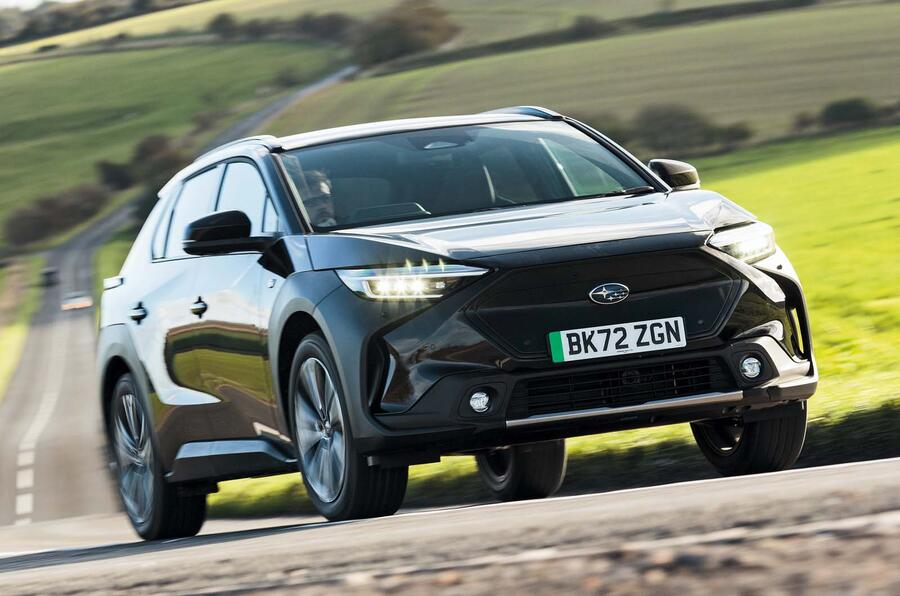
The brand’s first EV, the Solterra, was essentially a rebadged bZ4X built by Toyota as part of a wider partnership. But, notably, Subaru offers its version only with a dual-motor, all-wheel-drive powertrain.
 By
By