
Except an extra 13mph at 240mph isn’t like an extra 13mph at 70mph. The force needed to accelerate a car rises exponentially with velocity. It’s a quadratic relationship, so for every tiny increase in speed beyond 200mph, you must do an ever-increasing amount of work to achieve it.
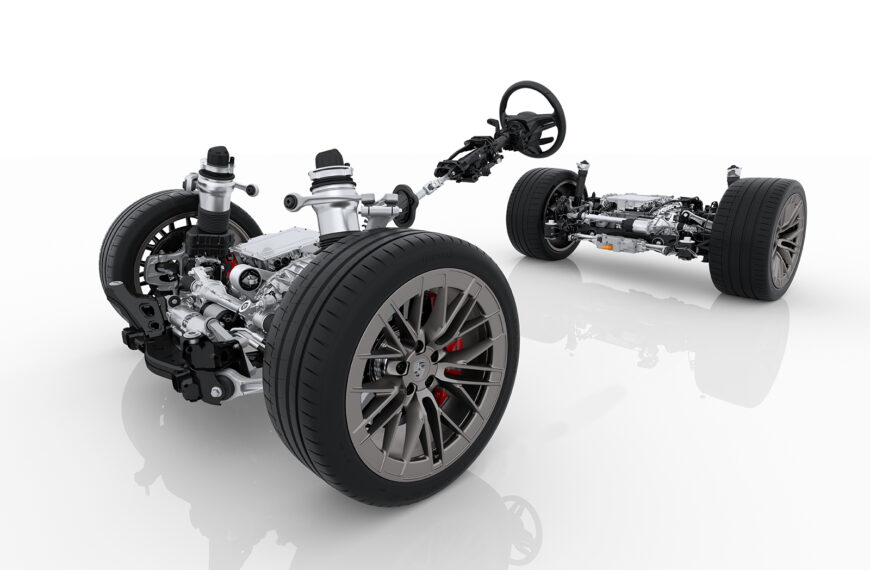
Pursuing a top speed record is a vicious cycle. It requires more power and therefore a larger, heavier engine. Then you need bigger brakes to bring it all to a halt, beefier suspension to hold it to the road and better cooling to keep it from overheating – and that’s before you’ve factored in the effects of downforce, friction and a plethora of other factors that get bigger and potentially more dangerous at speed.
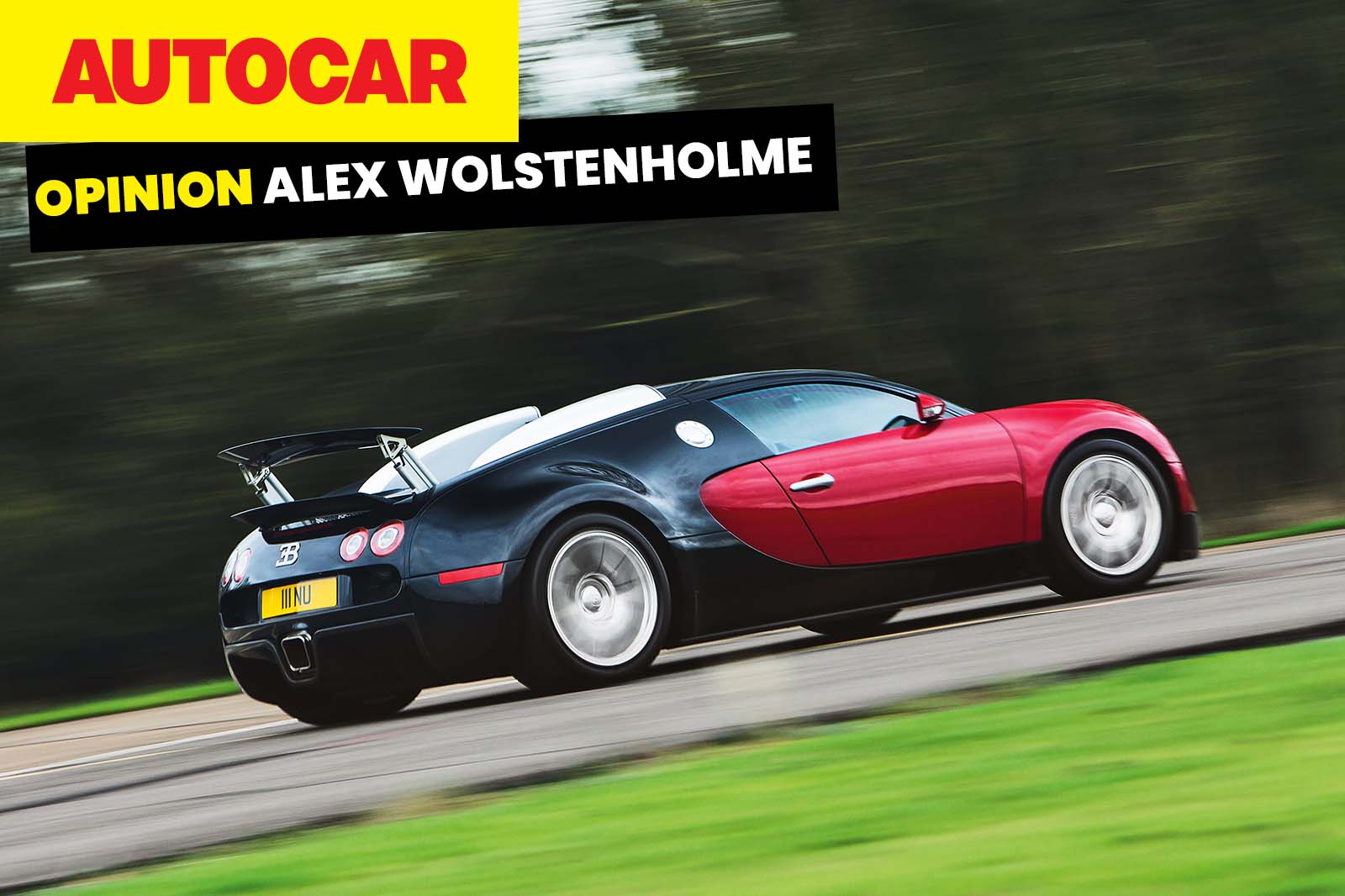
But the Veyron was 800kg heavier than the F1 not just because of its greater top speed potential. It was also because never in automotive history had such a luxurious car topped 170mph, let alone gone 50% faster than that.
Volkswagen Group boss Ferdinand Piëch gave Bugatti an intimidating brief to create a car that could crack 400kph but he also stipulated that it should be able to take two people to the opera house in supreme comfort later the same day.
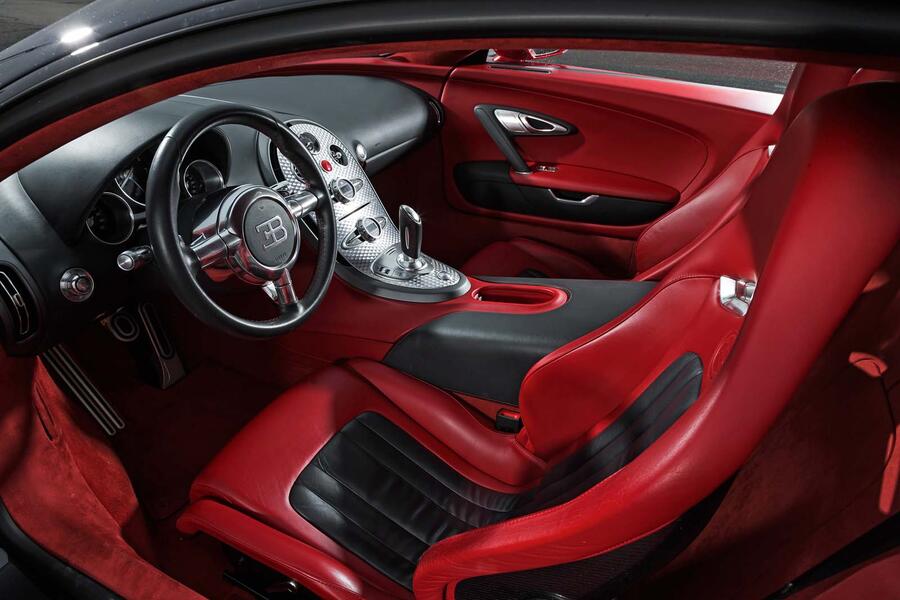
That we labelled the Veyron’s interior “the most exquisite cabin on Earth” is testament to this near-unfathomable duality of purpose.
 By
By