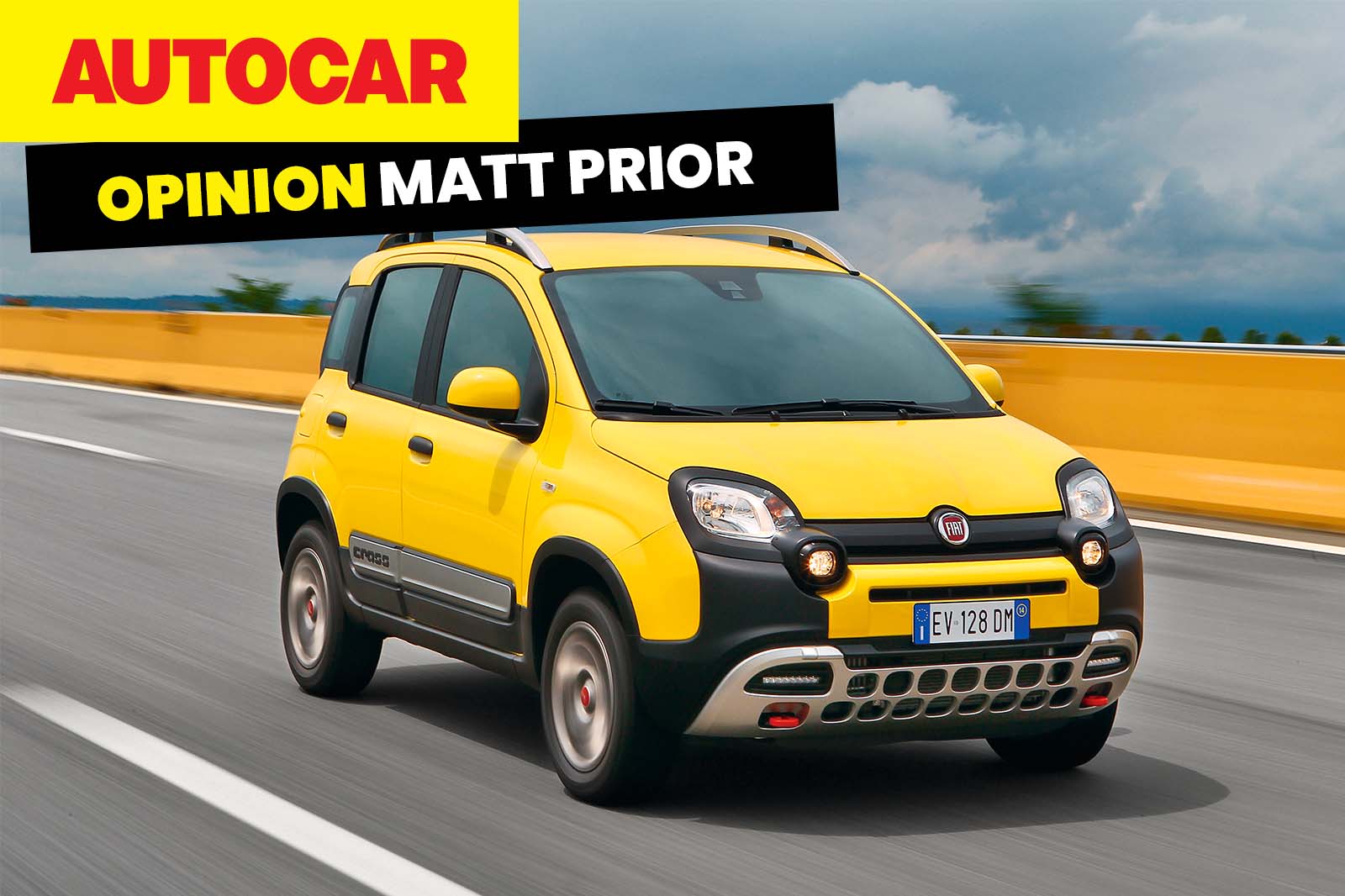

I’m containing my enthusiasm about the idea of a new small car class that’s meant to save Europe’s automotive industry.
European car makers have been lobbying the EU to let them sell cheaper cars again, citing the fact that the average age of cars in Europe is getting older and older, and arguing that the bloc’s introduction of legislation that has made cars more expensive through mandating active safety kit and increasing levels of electrification is handing an advantage to Chinese car makers, which can offer those things more cheaply.
“In 2019, 49 cars sold for under €15,000 in Europe,” Stellantis chairman John Elkann told the Automotive News Europe congress last June. “Now, it’s just one”. (His firm’s own Fiat Panda.)
Faced with more expensive cars, Europeans have had three choices: buy the cheaper ones, which tend to be Chinese; borrow more money for locally made ones, which was more palatable when borrowing money was easy; or keep what they’ve got. More of us have been keeping what we’ve got, but none of those three choices does European car makers a favour now that credit is no longer cheap.
In September, the EU, not blind to how many of its citizens work in the car industry, showed it was listening. “Millions of Europeans want to buy affordable European cars,” said the European Commission’s German president, Ursula von der Leyen.
“This is why we will propose to work with industry on a new small affordable cars initiative”. She even used Stellantis’s proposed name for the new category, ‘E-car’, saying the ‘E’ stood for ‘European’, ‘environmental’ and ‘economical’.
Not ‘electric’, maybe notably, maybe not. “No matter what, the future is electric, and Europe will be part of it,” she said. Either way, this is good news, yes? We’ll see.
Perhaps like you, I like small cars. As a car enthusiast, I like that they’re more fun to drive. As an engineer, I like that they use fewer materials. Former Renault Group boss Luca de Meo told us that small cars can have 75% less whole life environmental impact than bigger cars, which is effectively what EU legislation had been pushing people towards.
“A- and B-segment cars [meaning city cars and superminis] are not profitable any more, because auto makers have to produce cars dressed up like Christmas trees,” de Meo said over the summer, having chosen to leave the industry. “It doesn’t make a difference if it’s a Clio or a big limo”. With credit cheap in the 2010s, choosing bigger and more expensive was fine. Not any more.
The big question in introducing a new car class, though, is what will be undone from the existing regulations. Because fitting increasing amounts of electrification and active safety kit is all that was preventing the profitable sale of those cars in the first place.
The EU’s leader believes that “no matter what, the future is electric”, which doesn’t imply that small engines shorn of various filters that are cheap to make and maintain are in the offing, much as consumers might like them.
 By
By