
“We are legitimate as the Citroën brand to enter this segment, providing that the European Union is giving some space in terms of future regulations – we don’t know yet. Why are we legitimate? Because this is part of our DNA, and you don’t have to go back so far in history.”
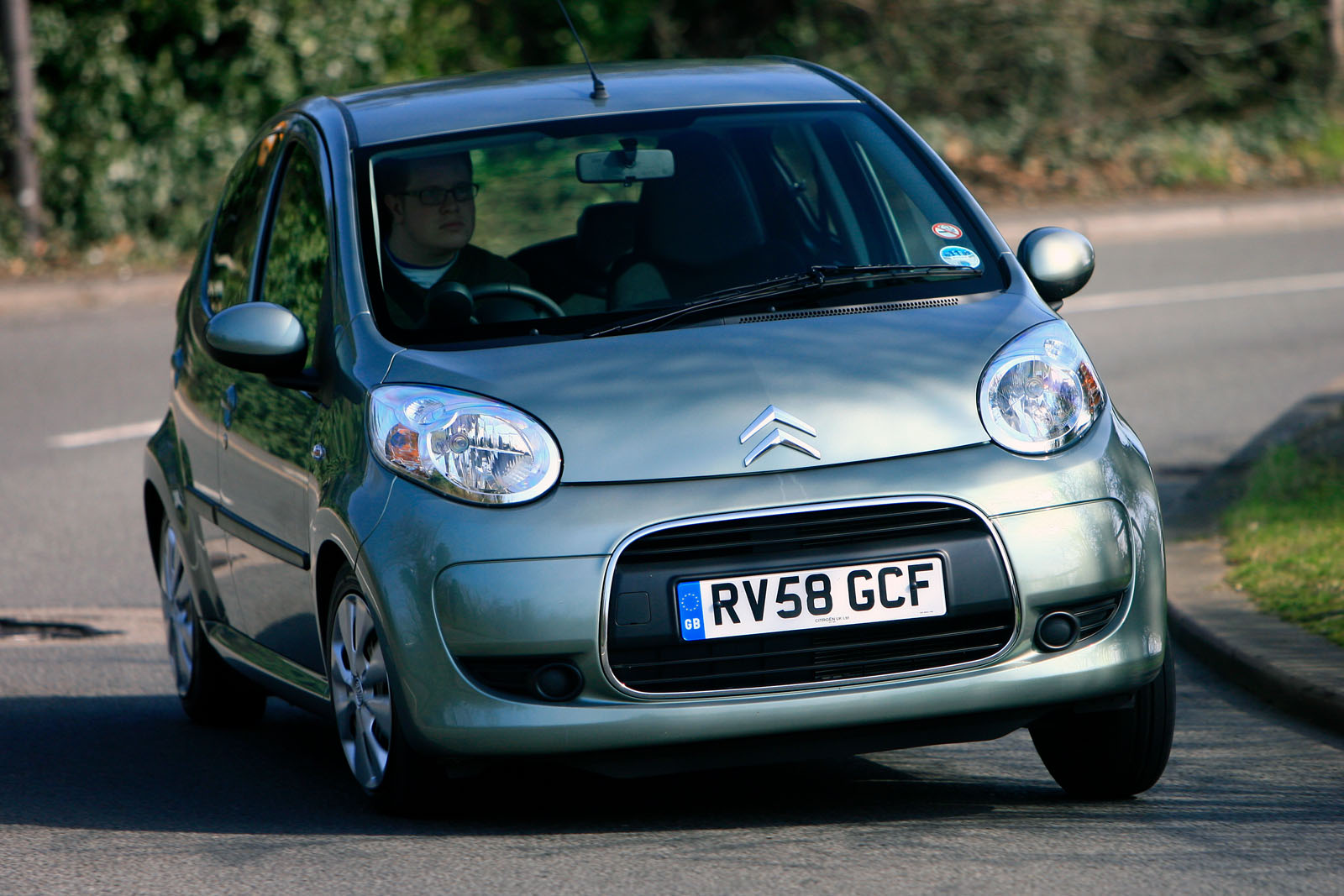
Chardon referenced the historical success of previous ‘A-segment’ Citroën models, a lineage that dates right back to the 2CV and includes highly popular superminis like the Saxo and more recently the C1.
The C1 was taken off sale in 2020, at the same time as the closely related Peugeot 108, amid a mass exodus of mainstream car makers from the A-segment, with increasing legislation and production costs conspiring to strangle already razor-thin margins.
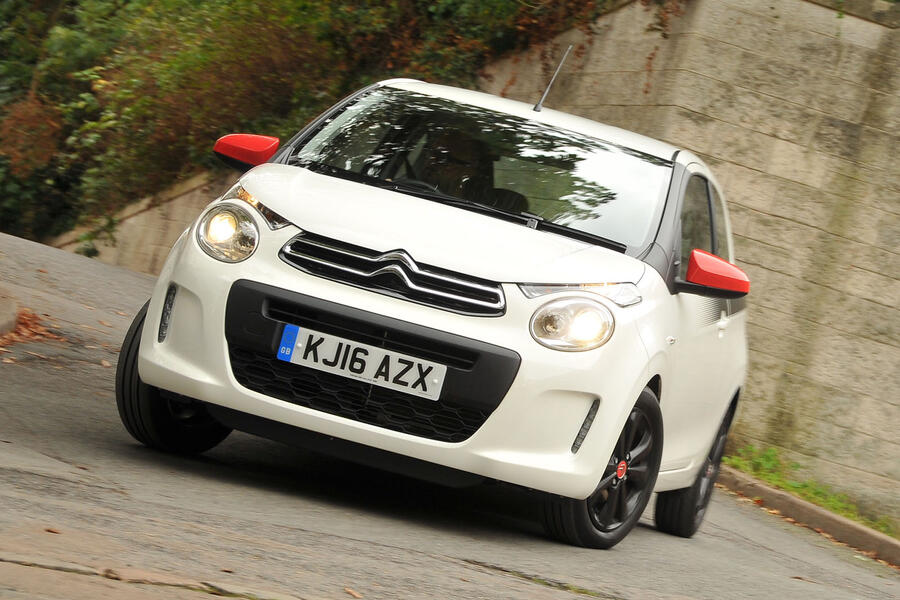
Since then, the C3 has been Citroën’s smallest full-sized car, but at 4015mm long and 1577mm tall it is substantially larger than the C1 – and Chardon says the E-car rules could provide the framework to fill that gap in Citroën’s line-up again.
He said: “The C1 was quite a successful car. It was 3.4 metres, so quite compact, but up to five seats. Of course, it was not the car that you would use to commute from London to Nice, but it was a car that you could take outside of the city.
“You had five doors, you had an engine where you could go on highways (not as the primary use but giving the flexibility) and we believe that this is important that we find again this logic at a price point that is – at least in Europe – below €15,000 [£13,000].”
 By
By