

Robert Triggs / Android Authority
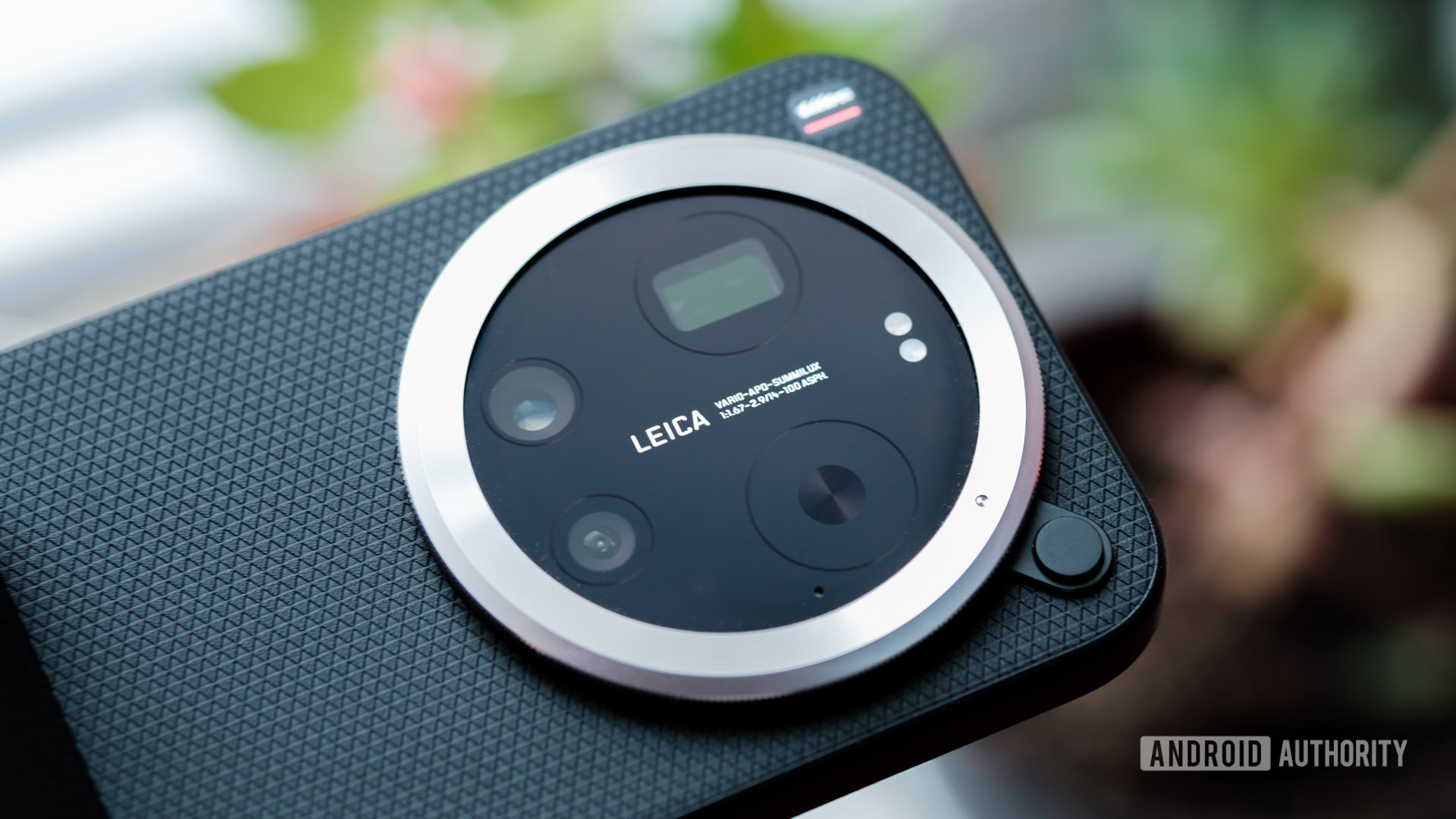
I can’t get enough of new camera technology, so I was eager to try out the new Xiaomi 17 Ultra that arrived on my desk a few weeks ago. I loved its predecessor and its quad camera array. But what makes this model different is a new variable-aperture, variable-focal-length periscope camera that replaces the two zoom cameras from the previous generation. While I can’t resist a high-quality zoom, I’m equally interested to see if Xiaomi can maintain its impressive flexibility with one less sensor.
Before we get into it, this is a bit different from the upcoming Apple iPhone 18 Pro models, which are rumored to feature just a variable-aperture on the primary lens to change the amount of light capture and bokeh. Instead, Xiaomi’s telephoto camera actually has real optical zoom, complete with moving lenses and aperture.
I first dabbled with switchable focal length on the 2021 Sony Xperia 1 III, but my experience was mixed, even on the more recent Xperia’s with a full variable zoom. While the zoom worked well, the use of small sensors resulted in underwhelming light capture and natural bokeh. However, the Xiaomi 17 Ultra pairs a wide f/2.4-3.0 aperture with a 75-100mm focal length and a large 1/1.4-inch 200-megapixel sensor. On paper, this shows much more promise for taking distant and portrait pictures that look just as good as the phone’s primary lens.
Do you think variable apertures and zoom are the future of phone cameras?
5 votes
I initially missed the point
When camera features like variable focal lengths and apertures come up, the first port of call for comparison is your modern mirrorless/DSLR. I have a lovely 17-70mm f/2.8 lens for my Fuji that’s great for ultrawide and portrait photos in a single package. Unfortunately, the Xiaomi 17 Ultra falls far short of that level of versatility from its variable zoom lens (though it certainly offers all those capabilities across its three lenses combined).
So my problem isn’t with Xiaomi’s image quality; I think it’s pretty fantastic. My problem is with the utility — at least when it comes to the camera’s optical quality range. The difference across the variable focal length range from 70mm at 3.2x to 100mm at 4.3x is pretty minuscule from a field-of-view perspective. In other words, it makes very little difference to your framing, and there’s not much change to the depth of field either, as the aperture is fairly consistent.
While it’s undoubtedly nice to have the optical quality across a wider range of zoom levels, such a narrow band doesn’t provide a big bump in quality or versatility on its own. I don’t really see any discernible difference in quality at 4.3x compared with digitally cropping in from a native 3.2x zoom. It feels even more pointless to land on a value in between.
The optical range is limited, the real benefits are a bit more subtle.
I don’t really pinch-zoom these days, which makes the scalable nature of this new zoom tech feel somewhat redundant. I tend to use the camera app’s preset values most of the time, only reaching for the old pinch for very specific framing. Xiaomi offers set values of 70mm and 100mm for the telephoto, with the option to choose 85 or 90mm after clicking one of the levels. But really, it doesn’t feel that much different from picking the 3x or 4.5x modes on its predecessor. That said, the zoom feels nice and smooth when paired with Xiaomi’s camera kit accessory, which provides a physical control for moving in and out.
Needless to say, when first playing around with the new-fangled optical zoom features, I came away a little disappointed. I couldn’t find any new or exciting applications that challenged the way I wanted to take pictures. But I think that misses the point. I needed to step back and look at the bigger picture.
OK, so what’s the benefit?

Robert Triggs / Android Authority
This isn’t to say I think this is a bad idea overall; in fact, quite the opposite. Perhaps the biggest win here is that Xiaomi has reduced the camera count from four to three this year. And yes, fewer cameras can be better — especially if that lets you pack in better sensors. Quality trumps quantity, after all.
One of my biggest and longest-running gripes about multi-camera setups has been the consistency of image quality, or lack thereof, when switching camera lenses. Tiny zoom lenses that look worse than the main lens, or overly broad but dim ultrawide lenses that look washed out compared to the other cameras.
Xiaomi has built one lens with surprisingly massive utility.
As a recap, last year’s 15 Ultra had a 50MP camera at 3x and the larger 200MP camera for 4.3x and beyond. With the 17 Ultra, you effectively get the benefits of a larger 200MP sensor, multi-PDAF, and optical image stabilization at 3.2x range for portraits, macro, and the like, while still retaining those megapixel benefits for longer-range digital zoom.
With this in mind, it’s much easier to see the addition of the variable-aperture technology as a wise choice. The new mechanical mechanism ensures more consistent imaging quality across near- and long-range zoom, offering the same color reproduction, features, processing, and video capabilities rather than having to match them across two sensors.
The Xiaomi 17 Ultra uses the same camera for portraits at 70mm (3.4x), moderate zoom or macro at 100mm (4.3x), and cropped long-range zoom at 200mm (8.6x) and 400mm (17.2x) from its huge 200MP count. A single camera offers very consistent, high-quality imaging across a surprisingly wide range, even if the optical zoom element itself doesn’t span that range. The detail of the 20x low-light show above is astonishing for any camera, let alone a smartphone.
Video is important here too; it’s annoying to have 4K30, slow motion, or other capabilities only available on some lenses and at some zoom levels. Fewer cameras can make this less of an issue, and Xiaomi offers 4K60 and 8K30 across all three of its lenses. The only exception is that 4K120 capabilities are limited to 1x primary and the 3.2-4.3x optical lens; you can’t use 2x or long-range zoom here, due to the costs of reading the pixel data. Still, the setup is pretty much just as robust for video as it is for photos.
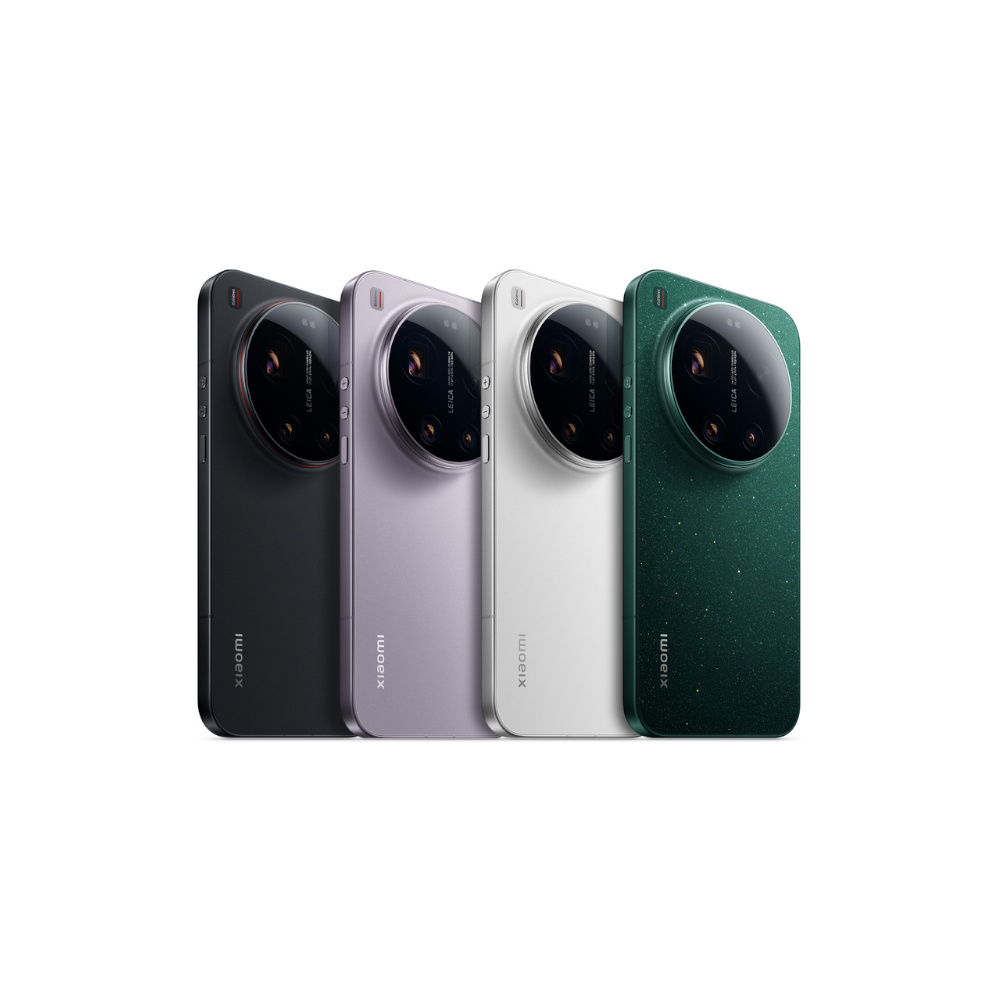

Xiaomi 17 Ultra
200MP Leica camera • 6,800mAh battery • Super-fast universal charging
200MP Leica camera, thinnest Xiaomi Ultra model to date
Xiaomi 17 Ultra is the first model in the Ultra line to feature a flat display, while continuing the overall design language of Xiaomi 17 Series. It is equipped with a triple-camera system consisting of a 14mm ultra-wide lens, a 23mm Leica 1-inch ultra dynamic camera, and a Leica 200MP 75-100mm optical zoom telephoto camera.
Is variable focal length here to stay?

Robert Triggs / Android Authority
Xiaomi isn’t the first to experiment with variable focal lengths, and ideas like this have a habit of coming in and out of fashion. Often because the benefits aren’t always obvious, and new ideas that aren’t necessarily complementary can quickly come into focus.
When it comes to the 17 Ultra, the optical zoom range remains somewhat disappointing compared to a traditional mirrorless. But as with smartphone photography more broadly, the limiting factor again boils down to space. A hugely variable focal length requires sufficient space between the lens and sensor, not forgetting extra room for the movable mechanism. The bottom line is that you can’t really fit large sensors and long focal lengths into a phone’s body. Xiaomi has probably pushed the boat as far as it can go, at least without a variable telephoto extender lens (which, honestly, might be an even better idea).
Until we see variable extender lenses, this is flexible zoom at its best.
Still, this shouldn’t discourage brands from adopting variable-aperture and focal-length technologies in their smartphone designs. As I hope I have shown here, a large, bright, feature-rich sensor that can extend from macro and portraits out to long-range crops is a lovely thing for a serious photographer to have access to, and a variable focal length helps make this possible.
Paired with a large, LOFIC-equipped wide-angle sensor and a high-res ultrawide, the Xiaomi 17 Ultra is clearly a powerful and highly flexible shooter that I can happily leave my mirrorless at home for. I can’t help but feel that until Apple, Google, and Samsung adopt some of these cutting-edge ideas, China’s best will continue to lead the field of smartphone photography.
Don’t want to miss the best from Android Authority?


Thank you for being part of our community. Read our Comment Policy before posting.
 By
By