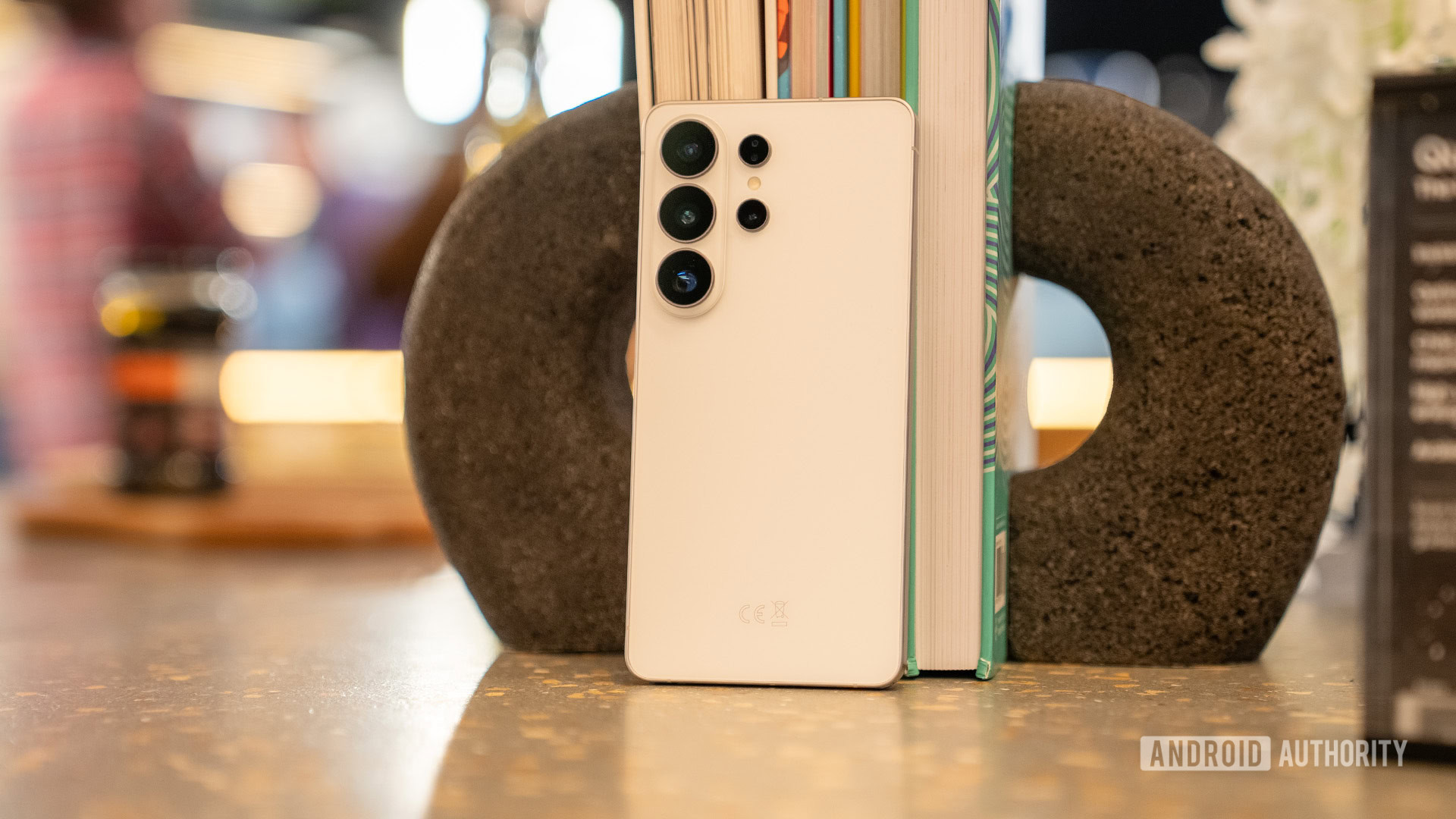


Paul Jones / Android Authority
TL;DR
- The Galaxy S26 Ultra features only minor aperture upgrades, but leaks suggest the S27 Ultra will get a major sensor overhaul.
- Samsung is reportedly developing the ISOCELL HPA, a 200MP flagship sensor featuring LOFIC technology for ultra-high dynamic range.
- The Galaxy S27 Ultra’s primary camera (ISOCELL HP6) may be a version of this HPA sensor, aiming for “single-exposure HDR” performance.
Samsung just launched the Galaxy S26 series last week, and spec-for-spec, the lineup doesn’t change all that much compared to last year. Samsung has upgraded the Galaxy S26 Ultra’s primary and periscope telephoto cameras to wider apertures, allowing them to capture more light — and that’s about it. If you were looking for newer, better camera sensors, this generation is a hard skip once again. Things could finally change next year, as Samsung could be moving to a new camera technology on the Galaxy S27 Ultra, thanks to a newer sensor.
Don’t want to miss the best from Android Authority?


Now, leaker Digital Chat Station has shared details about a flagship sensor from Samsung’s camera department. Said to be called the ISOCELL HPA, this is expected to be a 200MP, 1/1.12-inch sensor with support for LOFIC ultra-high dynamic range technology.

The leaker mentions that the sensor will be released in 2027 and will likely remain exclusive to “top-tier models,” presumably referring to Ultra flagships across the broader Android ecosystem, not just the Samsung Galaxy S Ultra.
Leaker Ice Universe reshared Digital Chat Station’s leak, adding that the Galaxy S27 Ultra’s HP6 primary camera is also a version of the HPA. The sensor is slightly smaller at 1/1.3-inch, but performance is said to match that of the HPA, likely due to LOFIC.

The Galaxy S27 Ultra is expected to launch in early 2027, in line with previous timelines.
The use of LOFIC is the most interesting takeaway from these leaks. LOFIC enhances dynamic range by preventing image sensor pixels from saturating in bright light — think of it as single-exposure HDR. The physical hardware is also used across videography, making it a big leap in mobile camera technology. Phones like the Xiaomi 17 Ultra already use LOFIC on their primary camera. So while Samsung wouldn’t be the first to the game, it would be a breath of fresh air to see a Galaxy S flagship with slightly more competitive camera hardware.
Thank you for being part of our community. Read our Comment Policy before posting.

 By
By