
However, Johnston remained buoyant about the state of the wider charging industry.
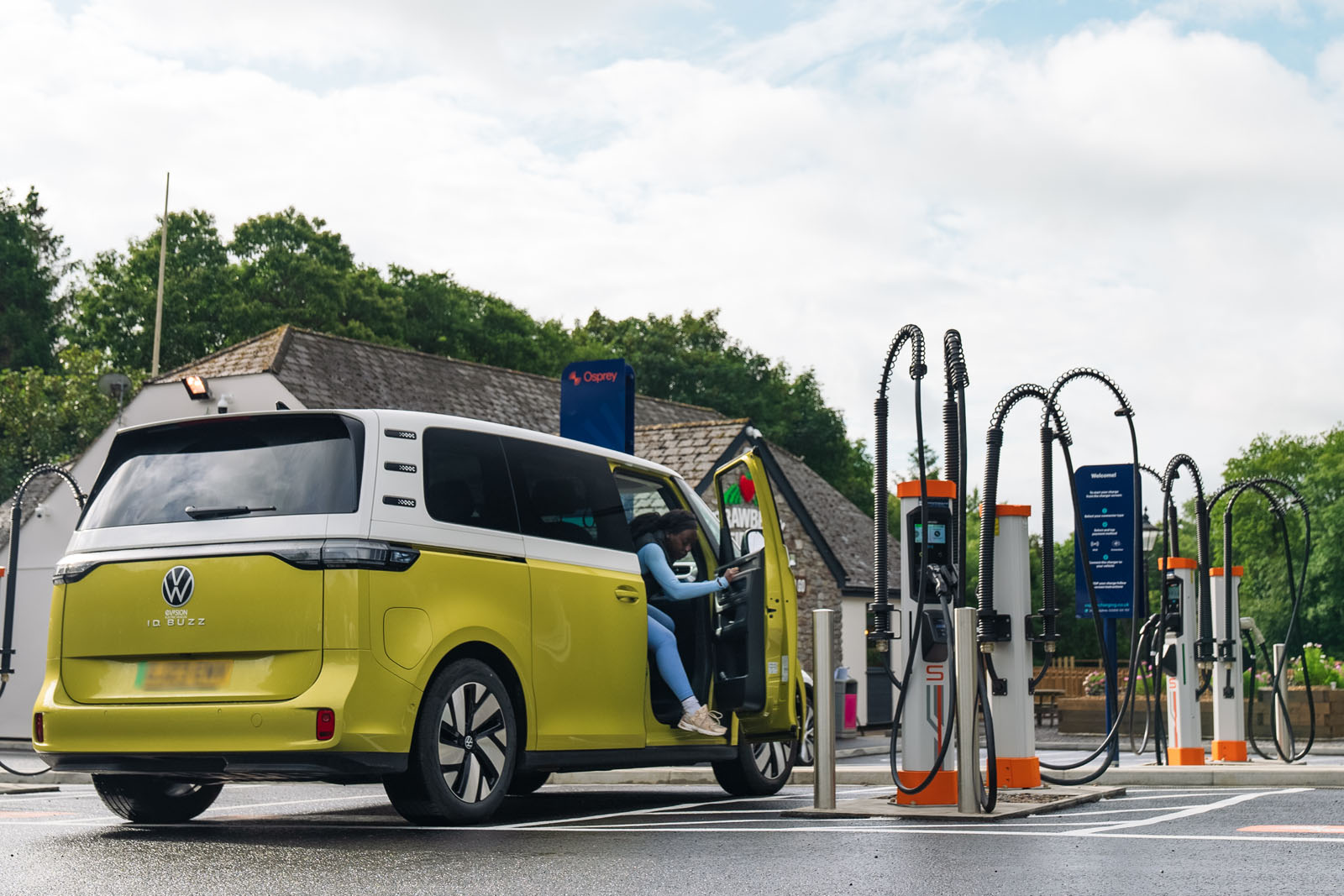
“The big picture is that the rollout is still incredibly strong,” he said, noting that the number of ultra-rapid chargers (150kW or higher) in the UK had increased by 52% year on year by the end of August.
But the rising costs “are causing us to be more cautious”, he said. “There’s no doubt the realities of running these businesses in this climate are a lot harder than two years ago.”
Government support needed, says BP
Multiple charging firms have told Autocar that high operating costs are hampering their ability to lower the price of charging, which could make public charging more accessible and drive up EV adoption.
A key issue, alongside electricity costs, is tax so government support is needed, charging companies argue.
General manager of BP Pulse Valerio Ferro said: “What could drive the price [of fast and ultra-fast charging] down? It will never compete with home or street charging. If you think, there is a VAT that is 20% – it is 5% for home charging; you have standing charges, which went up 10 times; and now there are talks of putting business rates on top. So there are lots of costs which are slapped on us that we have to deal with.
“In other countries in Europe, they have tools – such as the Renewable Energy Directive – to lower the price. In the UK, we have less tools to drive down that cost and the investment is still high. In some cases, power is far away, so that’s what makes it really expensive.
“But it’s not that companies are making tons of money at the moment, because these [investments in a charging network] are long-term investments.
“So we would like to drive the cost down, because we feel that it will make it more accessible for everyone, but we need support from the government to make sure that some of the costs can be removed.”
Indeed, ChargeUK said the price paid by motorists using public chargers has risen by 32% since 2022. It added that, today, around 20p-30p of the price paid per kWh when charging at a rapid or ultra-rapid hub is now taken as part of the grid’s standing order charge.

 By
By