
There was a time when I believed in the two-year upgrade cycle. Usually, this time period resulted in meaningful changes between generations. Nowadays, though, it’s getting more difficult to tell devices apart even three years later.
While I have yet to try Samsung’s newly launched Galaxy S26 series, the devices don’t feel like a significant leap from the S23 series. Now that we know the details about the new Galaxy S26 and S26 Plus, here’s why I think it’s not really worth the upgrade if you currently have an S23 or S23 Plus.
Do you think it’s worth upgrading from the Galaxy S23 to the S26?
10 votes
1. The devices have minimal changes despite being years apart

Paul Jones / Android Authority
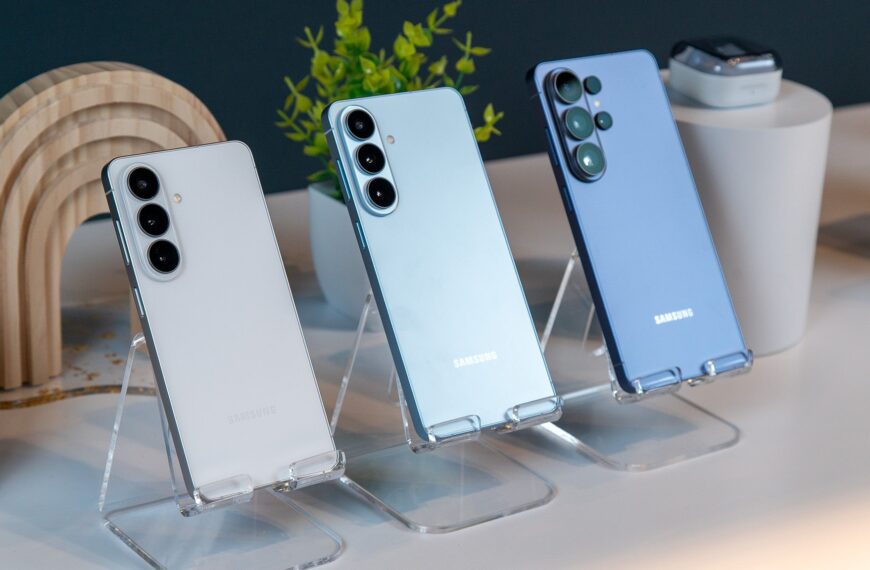
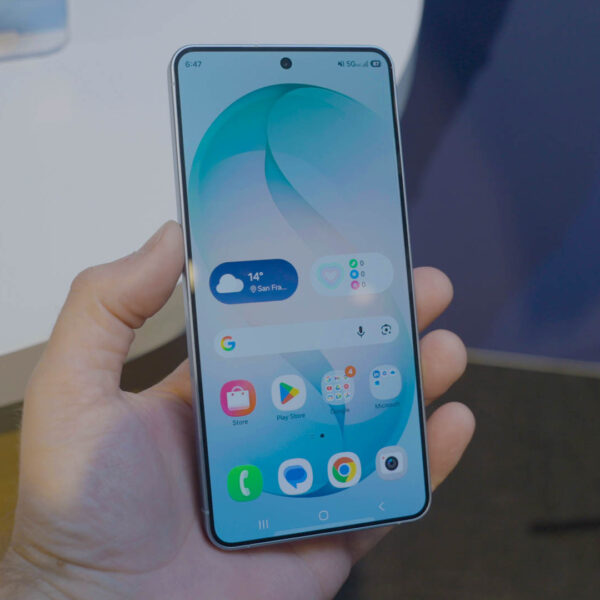
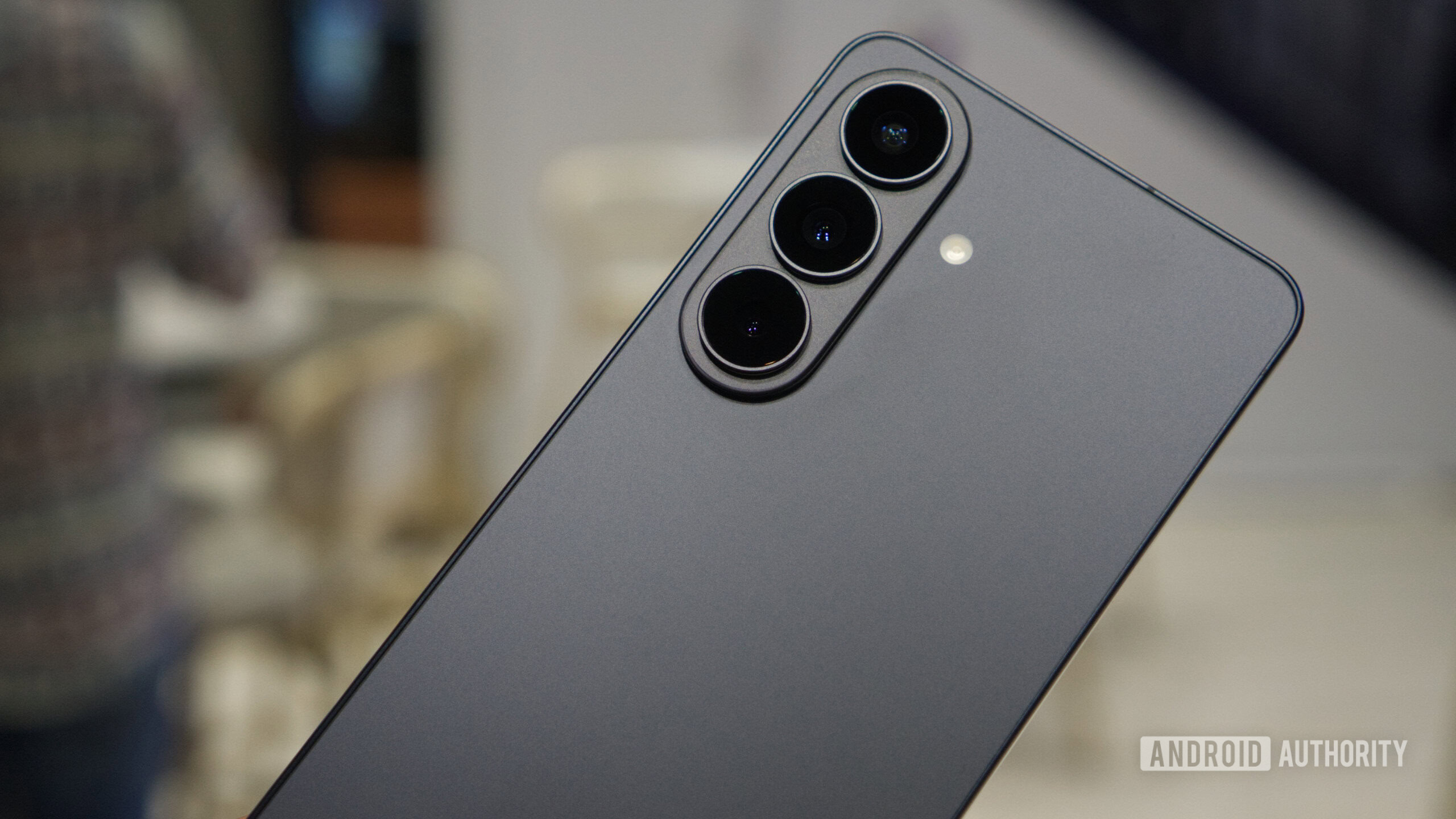
If you just look at the S23 series specs versus the S26 series, it’s difficult to tell that the devices were released three years apart. Much of the hardware has remained the same, with minimal changes.
This would be more understandable if the devices were only one generation apart, but after three years I would’ve hoped for more noticeable improvements. If you upgrade to an S26 from an S23, you’re dealing with the same triple-lens camera setup with limited optical zoom. The front-facing camera also remains the same.
The S26 still only charges at 25W and the S26 Plus at 45W despite the strides made in charging technology over the past few years. While it’s 2026, the devices still feel firmly stuck in the past.
2. The few changes don’t feel that meaningful

Hadlee Simons / Android Authority
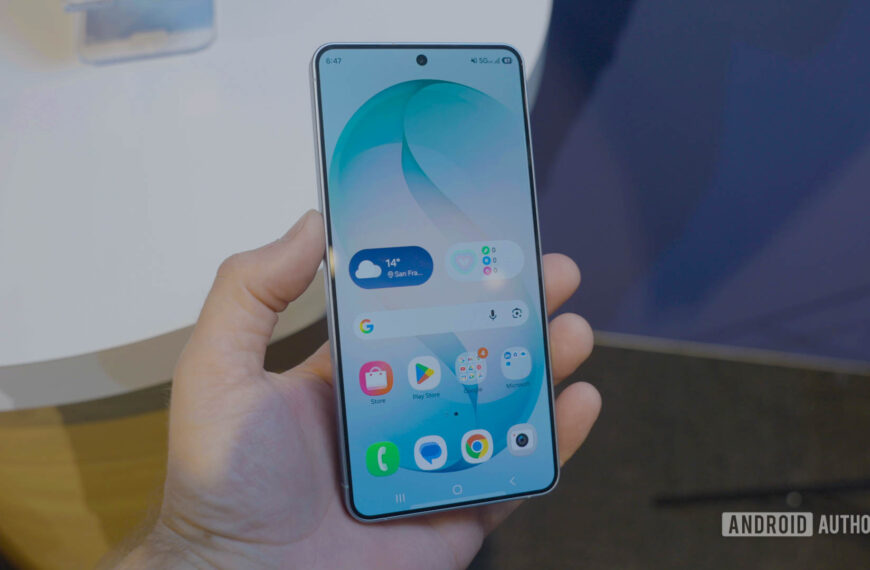
Samsung has made a few changes to the hardware of the S26 and S26 Plus, but they don’t really feel all that meaningful or significant enough to warrant an upgrade.
The biggest changes between the S23 and S26 are a slightly bigger display (6.1-inch vs 6.3-inch), a slightly larger battery (3,900mAh vs 4,300mAh), a new processor (Snapdragon 8 Gen 2 vs Snapdragon 8 Elite Gen 5 for Galaxy), a bump to RAM (8GB vs 12GB), and a larger starting capacity for storage.
When it comes to the S23 Plus vs the S26 Plus, the larger display comes with an increased resolution as well. It also features more RAM (8GB vs 12GB) and the Snapdragon 8 Elite Gen 5 for Galaxy processor. But the increase in battery size is more modest, improving from 4,700mAh on the S23 Plus to 4,900mAh on the S26 Plus.
If I’d put off an upgrade for three years, I’d want more bang for my buck than just minor improvements.
The larger batteries are a welcome change, but they’re held back by the continued slow charging of the devices. On paper, the increased RAM and new processor are an improvement, but these largely affect AI performance and specific use cases.
If you don’t perform intensive workflows on your phone, like on-device AI processing and video editing, then these improvements won’t necessarily make a major difference to your experience. You might get a smoother experience when using certain camera features or if you use Samsung DeX, but it won’t impact your day-to-day usage the same way that a much larger battery capacity would.
3. The S23 series still has another OS upgrade due

Dhruv Bhutani / Android Authority
One thing that often pushes users to upgrade their phone is a lack of updates. However, longer update support means that many of us can keep our phones for longer. The S23 series has an update promise of four years, which carries it through to the release of Android 17 this year.
The caveat is that you might not receive every feature Samsung rolls out with its next version of One UI. For example, while S23 devices have access to the Now Bar, they don’t feature Now Brief. This is the downside of long update promises, since manufacturers find other ways to try incentivize users to upgrade to the newest device.
However, if you’re more concerned about continued OS upgrades and security updates, rather than a single feature, then the S23 series will still carry you through 2026.
4. If you don’t care about AI, the new phones don’t offer much

C. Scott Brown / Android Authority
Like the S24 and S25 launches, the S26 launch focused significantly on AI. This year, the trend shifted slightly from generative AI to agentic AI. Samsung is marketing ways that its AI features can help you get more done by working with tools like Perplexity.
In my experience, though, AI features rarely work as well in real life as they do in demonstrations. I use two smartphones packed with AI features, but barely touch these outside of a few specific use cases. When I do use them, they are not nearly as capable as the hype would have you believe.
AI features often underwhelm in real life compared to marketing, and agentic AI still needs more safeguards in place.
Companies still haven’t worked out all the issues with traditional AI chatbots. Agentic AI, which is even newer, is likely to run into even more issues and vulnerabilities. Prompt injection and data privacy are also factors that I think need to be sorted out before I invest my time in these types of tools.
If you’re similarly skeptical, the new devices offer a lot fewer reasons to upgrade.
5. If you do care about AI, many features aren’t limited to Samsung

Rita El Khoury / Android Authority
I accept that not everyone is skeptical of generative AI and some people enjoy the experience of being early adopters. But even if that’s the case, many of the generative AI features that Samsung has marketed in recent years aren’t limited to its devices.
Even if you enjoy AI features, few are actually tied to Samsung’s phones.
There might be a Samsung-first release, but only a few features actually rely on Galaxy AI specifically. Those powered by Google’s Gemini or other third-party partners usually end up on other Android devices, including features like Circle to Search.
When I do use AI on my phone, it’s usually through the Gemini app or my browser.
6. I think there are other devices that offer better value

C. Scott Brown / Android Authority
Part of what makes me fussy with flagship smartphones is the fact that I’ve seen what the competition can do. In South Africa, technology is expensive, but we also have a greater variety of smartphone brands available.
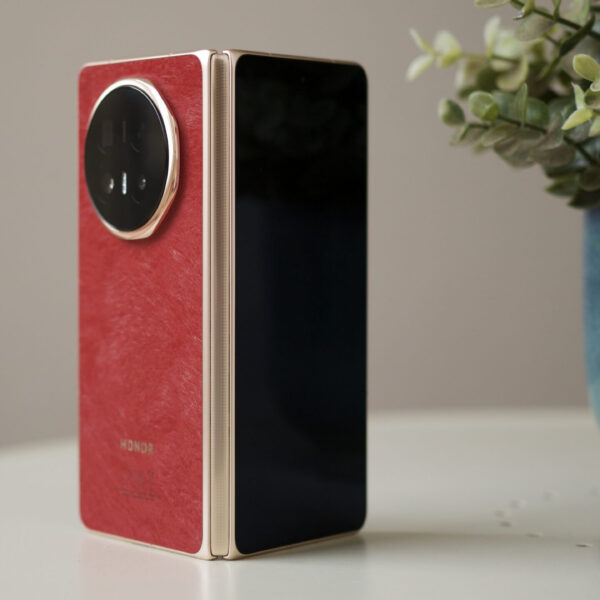
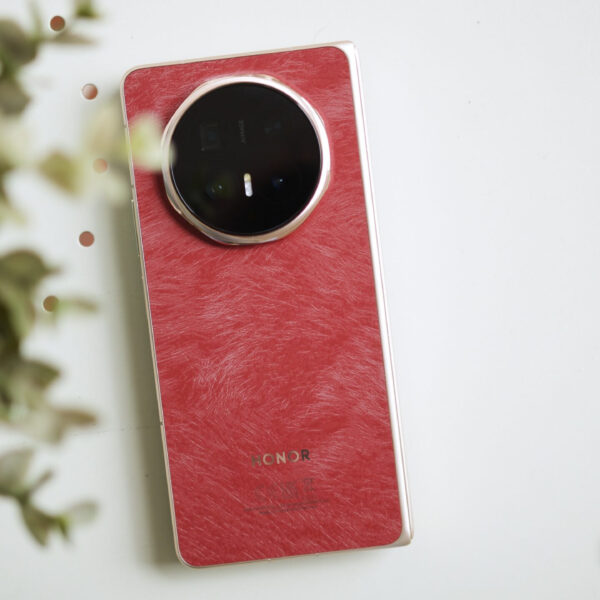
As a result, I’ve seen plenty of smartphones that cost less than the S26 series that also offer serious hardware. For example, my Honor 400 Pro costs less than Samsung’s flagships but offers a bigger battery, faster charging, the same amount of RAM, and a 50MP telephoto lens.
Don’t want to miss the best from Android Authority?


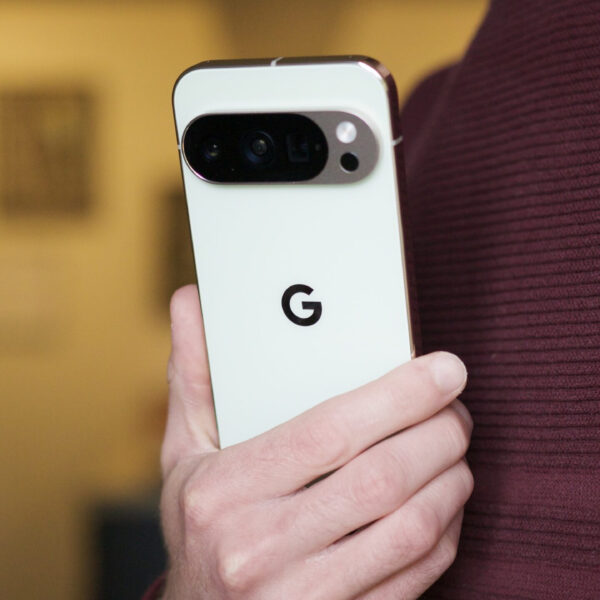
But even if you’re in the US, you have options. If you’re more interested in up-to-date software and actually want a lower price than the S26, then it’s worth looking at the Pixel 10a. It only has 8GB RAM and 30W charging, but it also features a 5,100mAh battery, comes with Android 16, and includes seven years of updates.
Importantly, it only costs $499 to $599 depending on the storage option you choose, which is significantly less than the S26’s starting price of $899.
For those looking for a bit more power, there’s the Pixel 10. It competes with the S26 on specs, while still being cheaper.
If you want to stay in the Samsung ecosystem, the S25 FE offers good value. The device is also attracting significant discounts due to the S26 launch. You could also use discounts to choose an S25 or S25 Plus instead, especially if you want more RAM and a newer processor.
The exception: If you can get a really good trade-in deal
There is an exception when it comes to upgrading from the S23 to the S26 — whether you’ll get a great trade-in deal. However, I’d only suggest this if your S23 no longer serves your needs and you really need a device with a slightly larger battery and more RAM.
These trade-in deals are also helpful when your display is damaged, since you can’t exactly sell your old device without investing in a repair. Depending on your regional deals, trading in a really damaged S23 for a significantly discounted S26 can make sense.
That said, as someone with a fully functional S23 Ultra, I don’t really see the appeal of upgrading to the S26 series right now. I might be tempted next year if Samsung makes some significant improvements to the batteries and cameras.
I see the appeal of Samsung’s software, but you don’t need the latest device to access that. And sometimes it’s worth waiting to see what discounts will arrive later in the year, or whether competitors will launch major contenders.
Thank you for being part of our community. Read our Comment Policy before posting.
 By
By