
Why you can trust Android Central
Our expert reviewers spend hours testing and comparing products and services so you can choose the best for you. Find out more about how we test.
“How is the camera doing this?” was the question I asked myself the most in the last six days. I used the X300 Ultra as my daily driver for just under a week now, and while I usually take longer to test phones, that wasn’t necessary with this device. The moment I started taking photos and videos with it, I realized Vivo once again created a monster of a camera phone.
Vivo proved over the last two years that it knows how to deliver the best camera-focused flagship; the X100 Ultra raised the bar in this category, and last year’s X200 Ultra was the best camera phone I tested at the time. If anything, the only reason I didn’t use it for longer was because the Chinese model had issues with notifications, so I switched out to the excellent X300 Pro instead.
The X300 Ultra’s cameras are in a league of their own

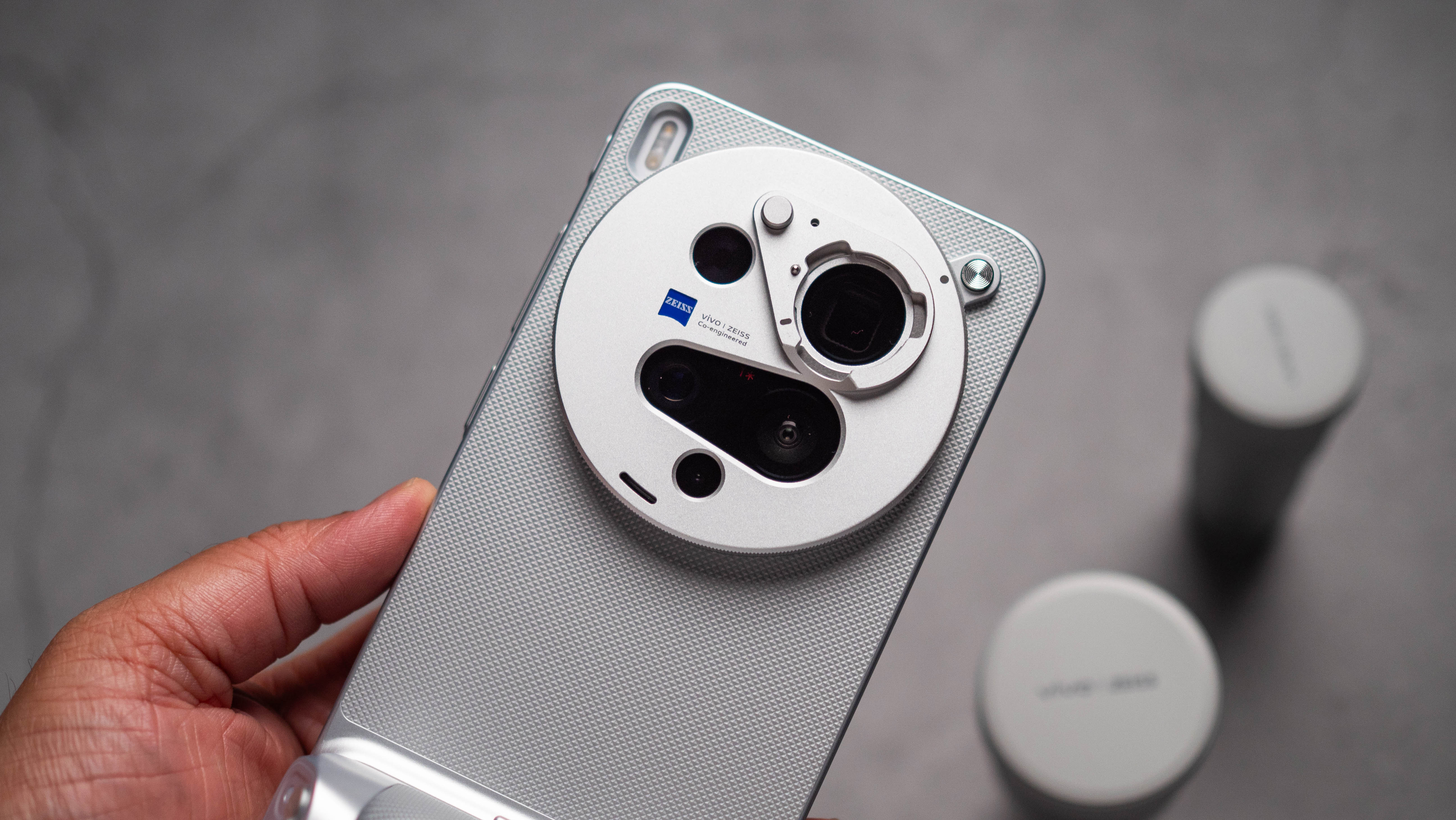
Cameras are the clear highlight here, so let’s dive straight in. While brands don’t usually change things too much between generations, the X300 Ultra has a new 200MP Sony Lytia LYT-901 main camera that’s outstanding, and it’s joined by another new 200MP custom Samsung ISOCELL HPB tele lens, and the same 50MP Sony Lytia LYT-818 wide-angle lens as last year. Now, while the main camera has smaller pixels and has an f/1.9 lens (versus f/1.7 last year), the much bigger 1/1.12-inch sensor allows it to take in more light than its predecessor, and the result is a camera that’s on another level entirely.
Vivo’s collaboration with Zeiss shows its worth once again, and the quality of the lenses and the image tuning is one of the best on Android — if not the best overall. I prefer Vivo’s camera tuning, and that’s why I like the X300 Pro better than the Find X9 Pro, and with the X300 Ultra, Vivo tweaked its camera algorithms to deliver even greater detail and vibrancy.
Image 1 of 17





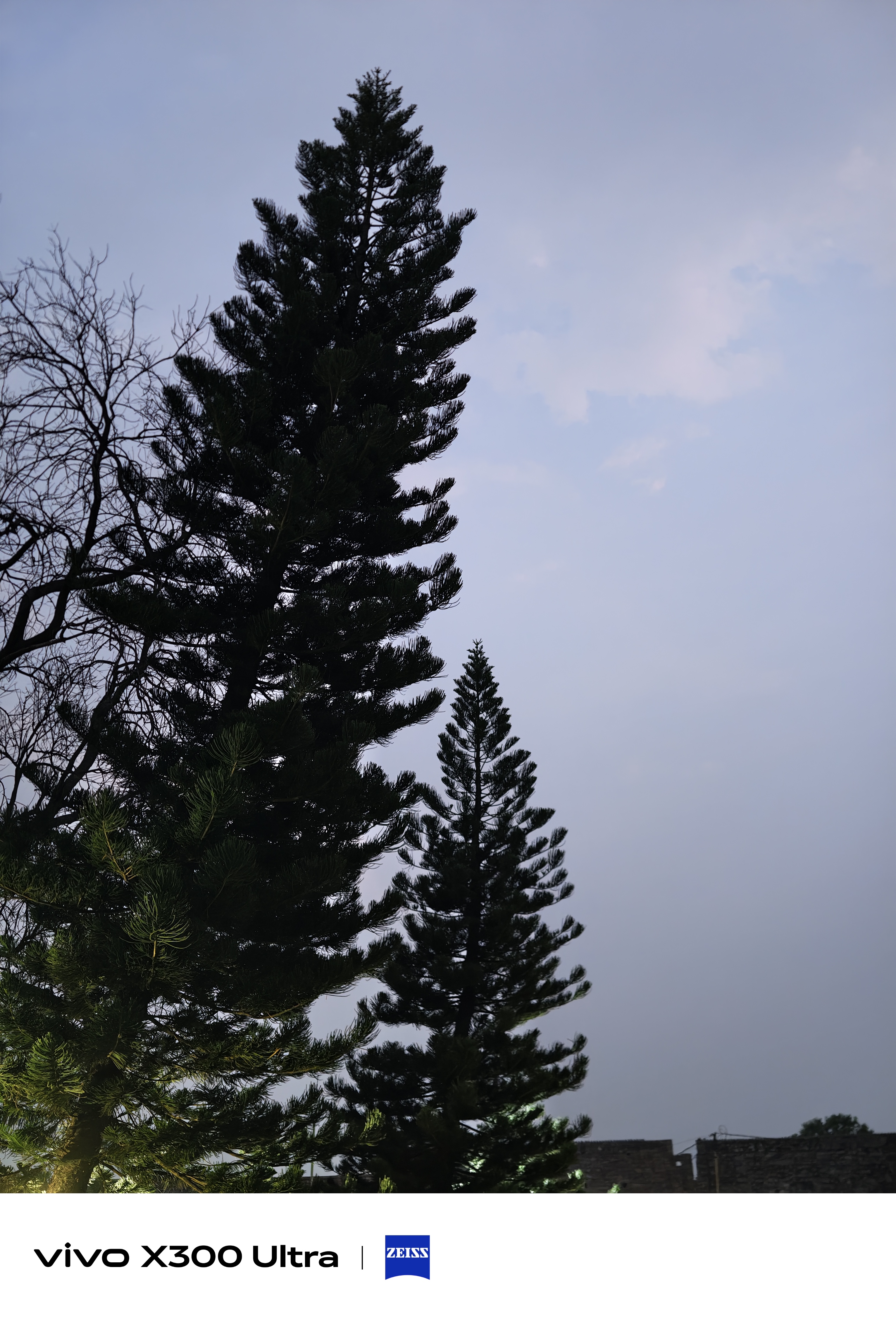
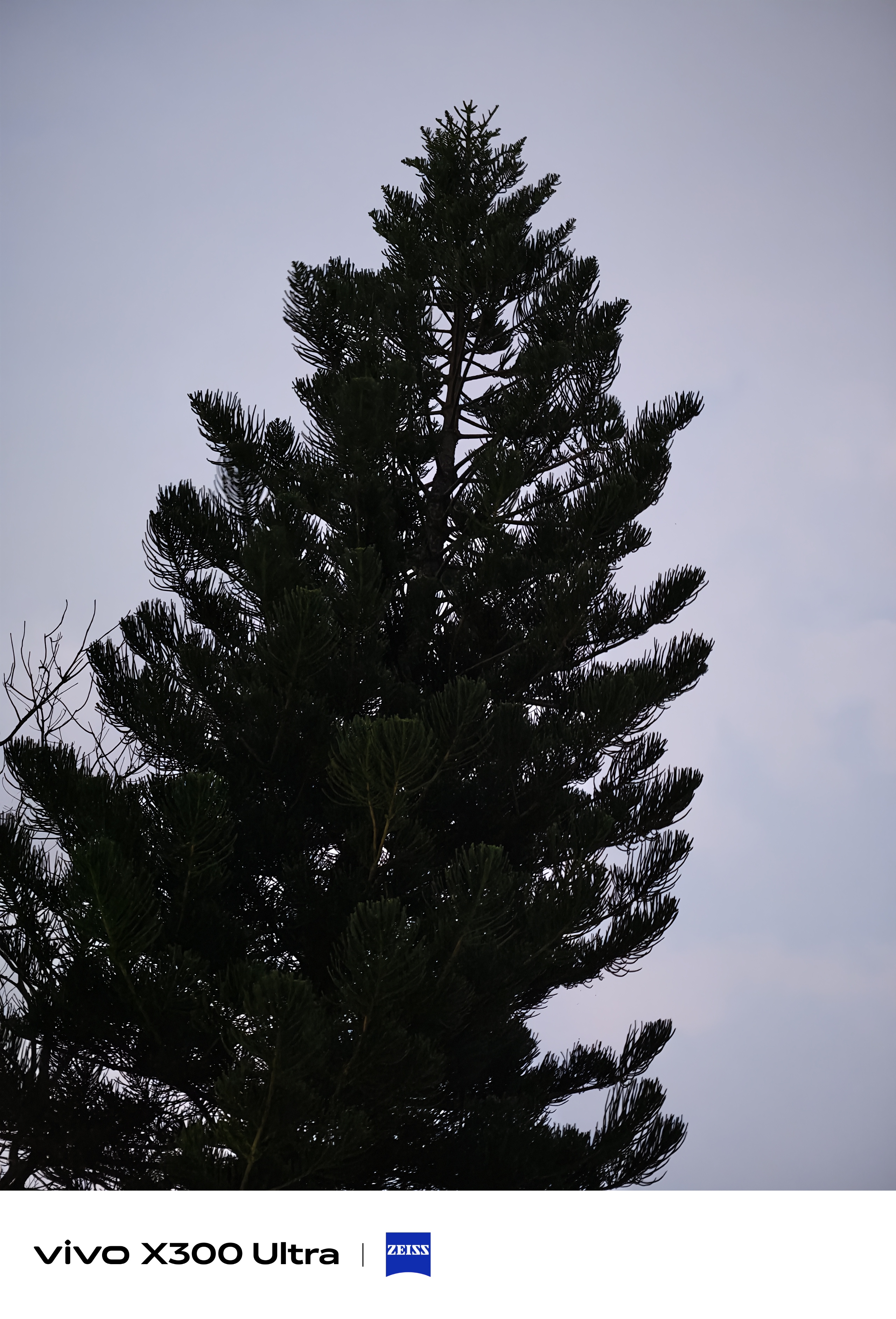






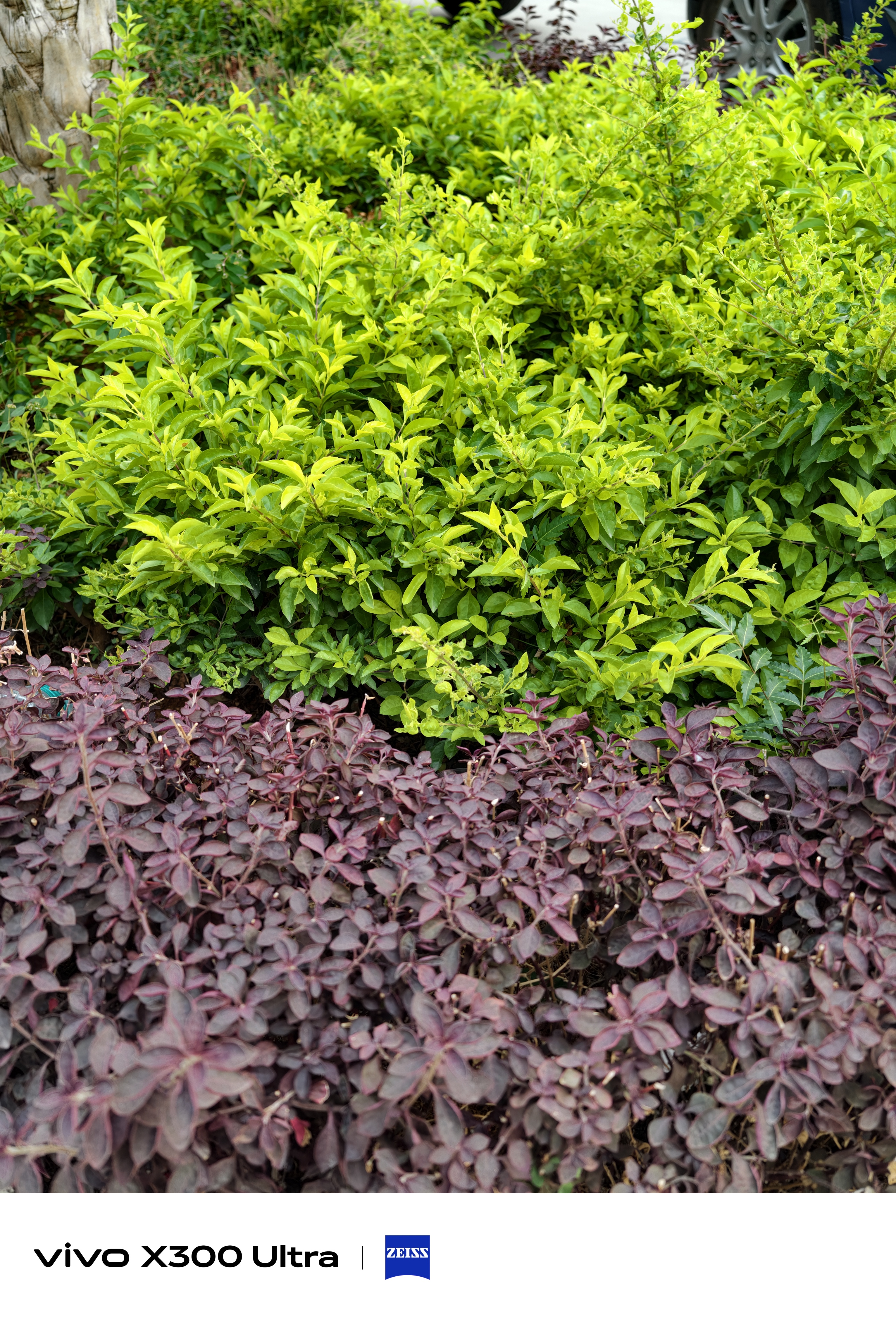



The X300 Ultra takes incredible shots in daylight situations, with excellent dynamic range and white balance. Photos aren’t overly saturated, but you still get rich colors and good detail. The X300 Ultra does just as well in low-light situations, and it even has an edge over the X300 Pro in this regard, which I previously considered to be the best low-light shooter.
Like last year, the main camera’s focal length is 35mm instead of 24mm that’s used by most other brands. On that note, video recording is the clear star of the show on the X300 Ultra, with Vivo overhauling just about everything. In this context, the 35mm focal length feels just right.
You now get 4K120 Dolby Vision video recording from all the rear cameras, and even the 50MP front camera can shoot 4K60 video in Dolby Vision. There’s 10-bit Log video, and a Pro mode that lets you add your own LUTs to give you a preview of what the video will look like in real-time. The Pro mode lets you tweak just about every other parameter, and honestly, if you intend to take a lot of videos from your phone, the X300 Ultra is the one to get — there’s no doubting that.
Image 1 of 7


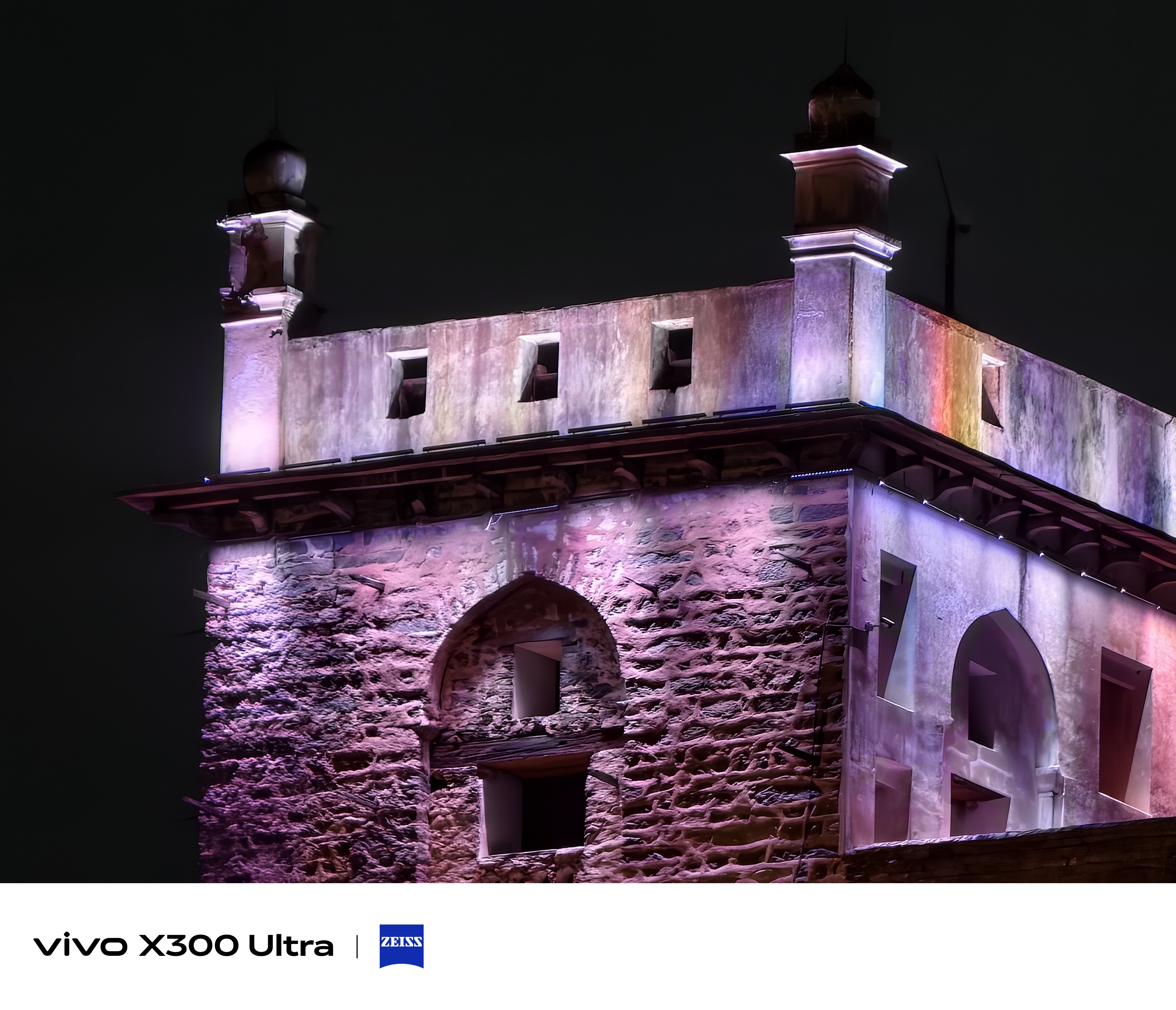




The 200MP tele lens is arguably the best you’ll get in this category, and it delivers usable shots at 10x. The 85mm lens goes up to 3.7x optical zoom, and it excels in low-light situations. I got detailed photos in scenarios with little to no lighting whatsoever, and even going up to 10x, the detail retrieval was better than the S26 Ultra, Pixel 10 Pro XL, and any other phone I tested.
Portrait shots are just as good on the X300 Ultra, and I like the new macro mode. It lets you go incredibly close to a subject, and I got a few interesting shots this way. While the wide-angle lens is unchanged, it continues to deliver the same caliber of photos as the other cameras, and that’s great to see.
On the whole, the Vivo X300 Ultra has the best cameras of any phone of 2026, and what I like the most is that all cameras produce consistent colors. This is particularly noticeable when shooting video, and that’s what gives the X300 Ultra a definite edge over other flagships.
Vivo outdid itself with the X300 Ultra teleconverter lenses

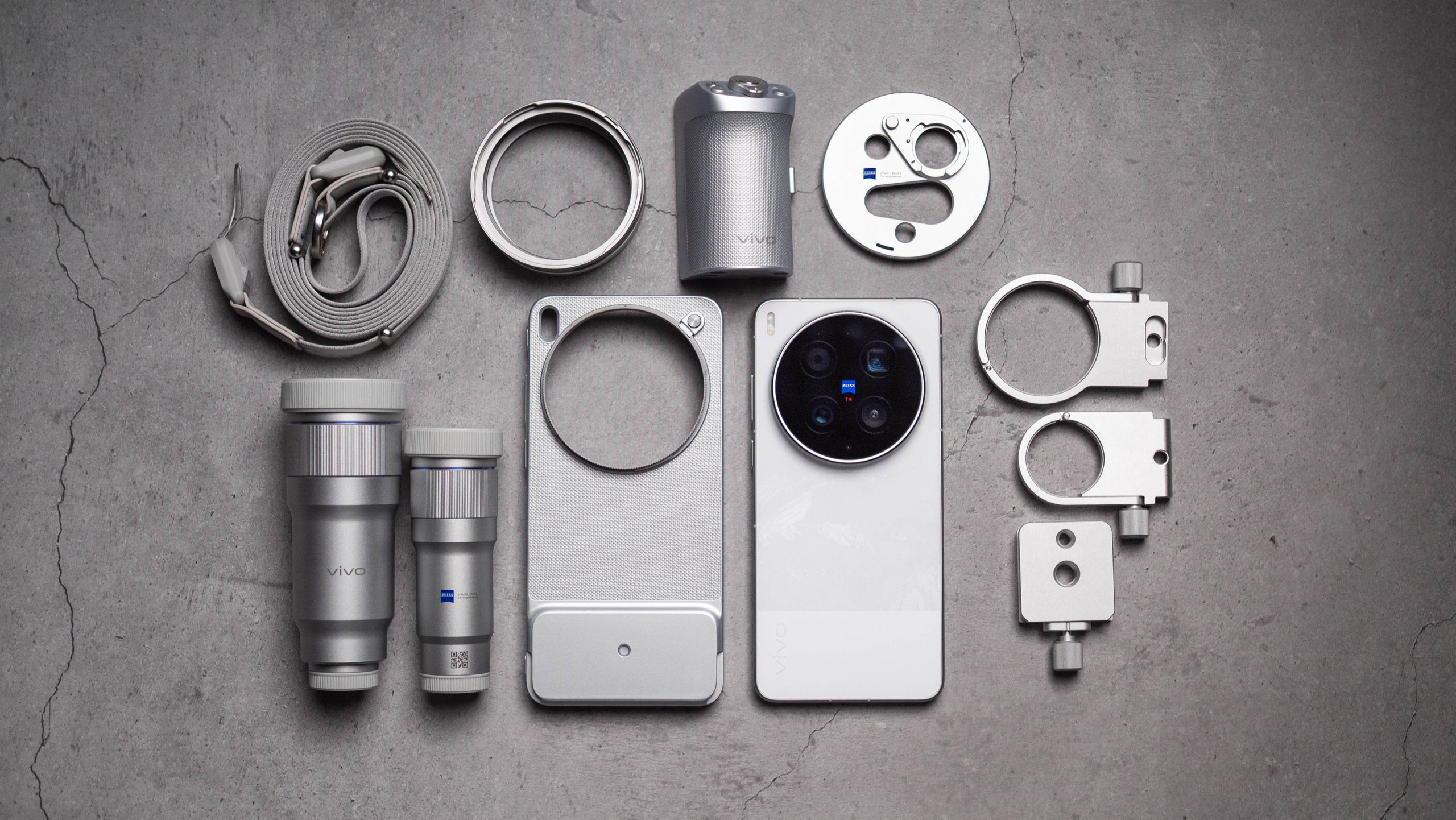
The other huge differentiator is the accessories; Vivo has two telephoto converter lenses this year, with a new G2 200mm lens that is smaller than the lens accessory from last year, and a brand-new 400mm lens that’s just ridiculous.
Image 1 of 9
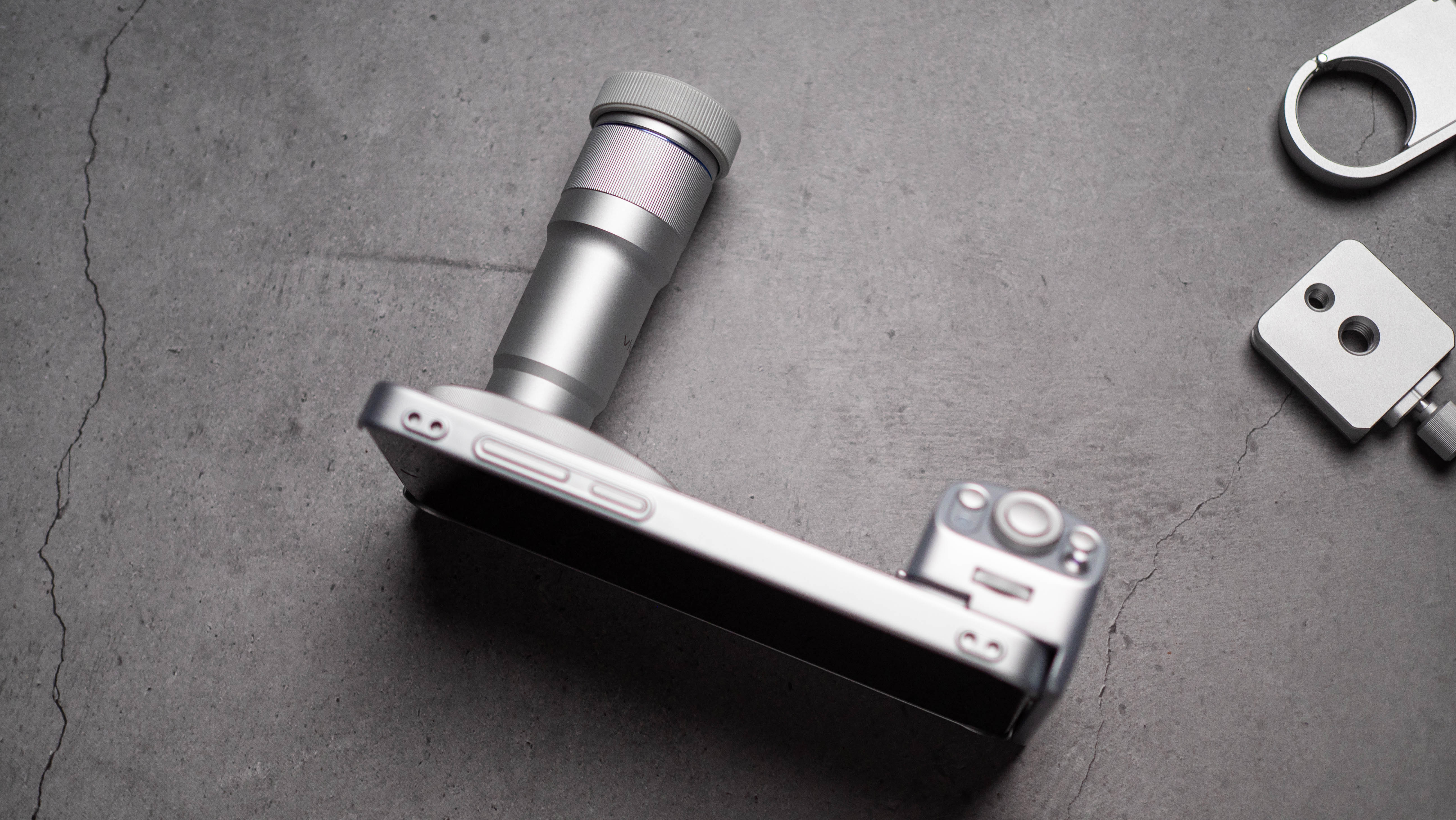
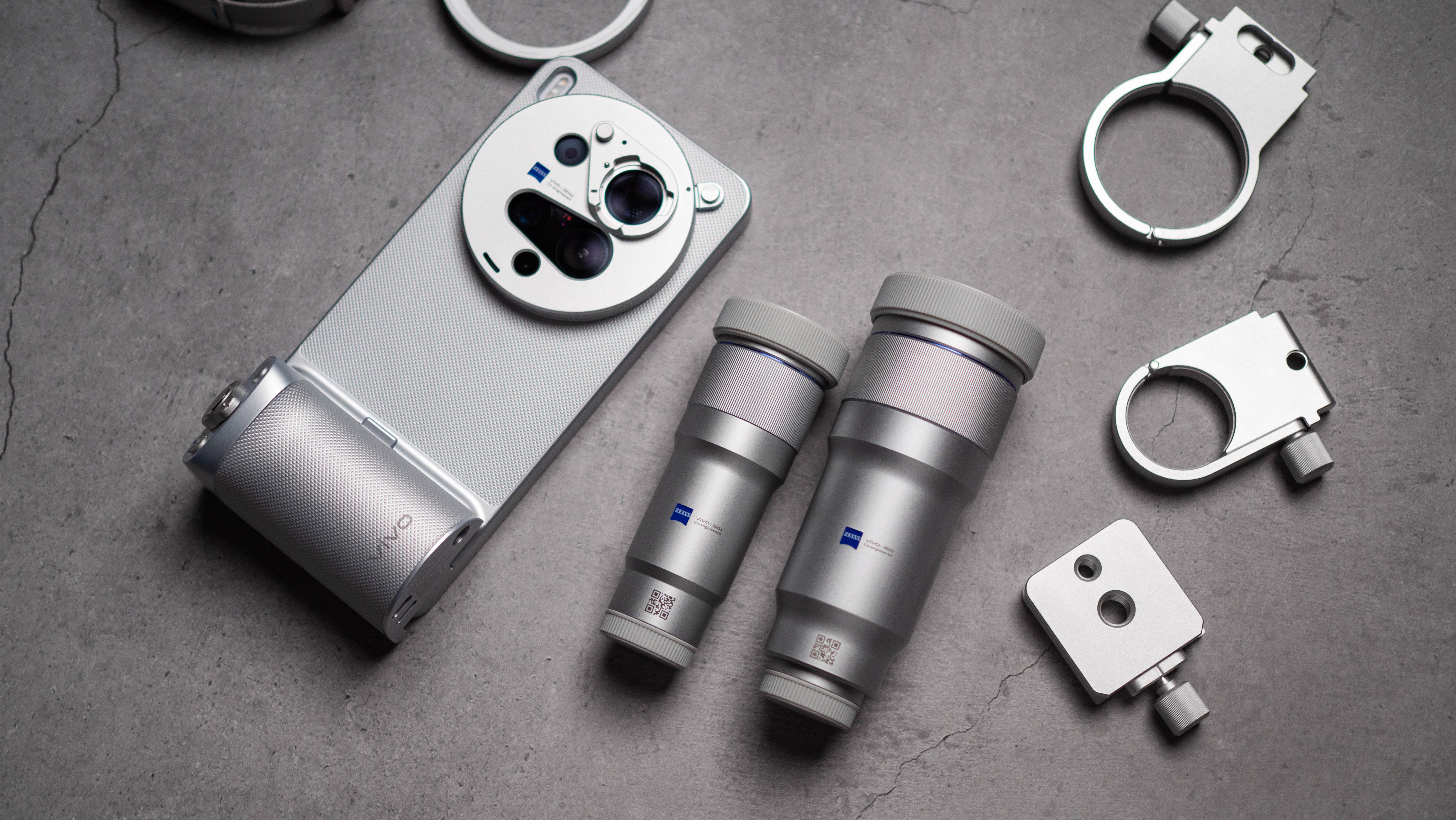
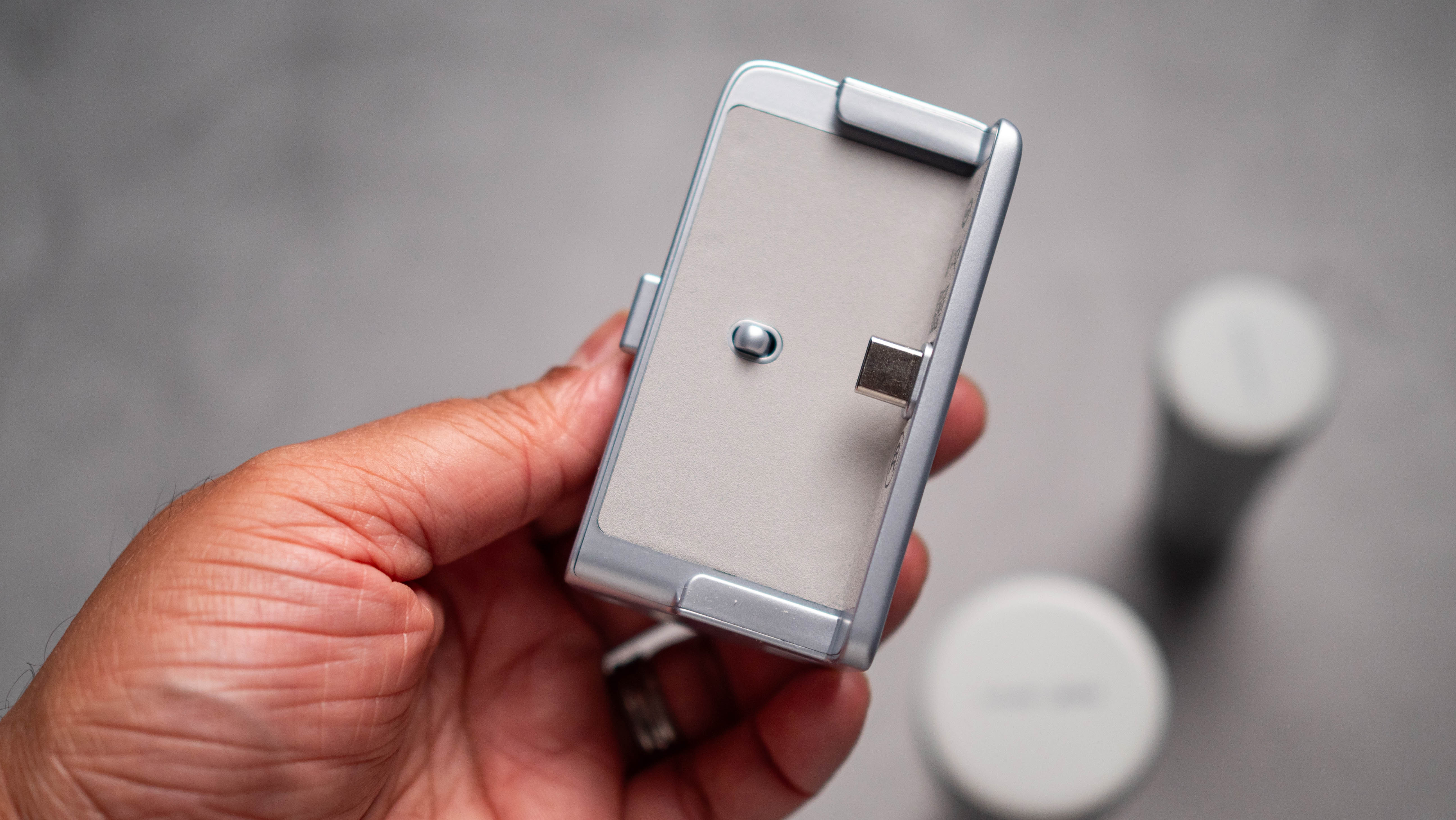
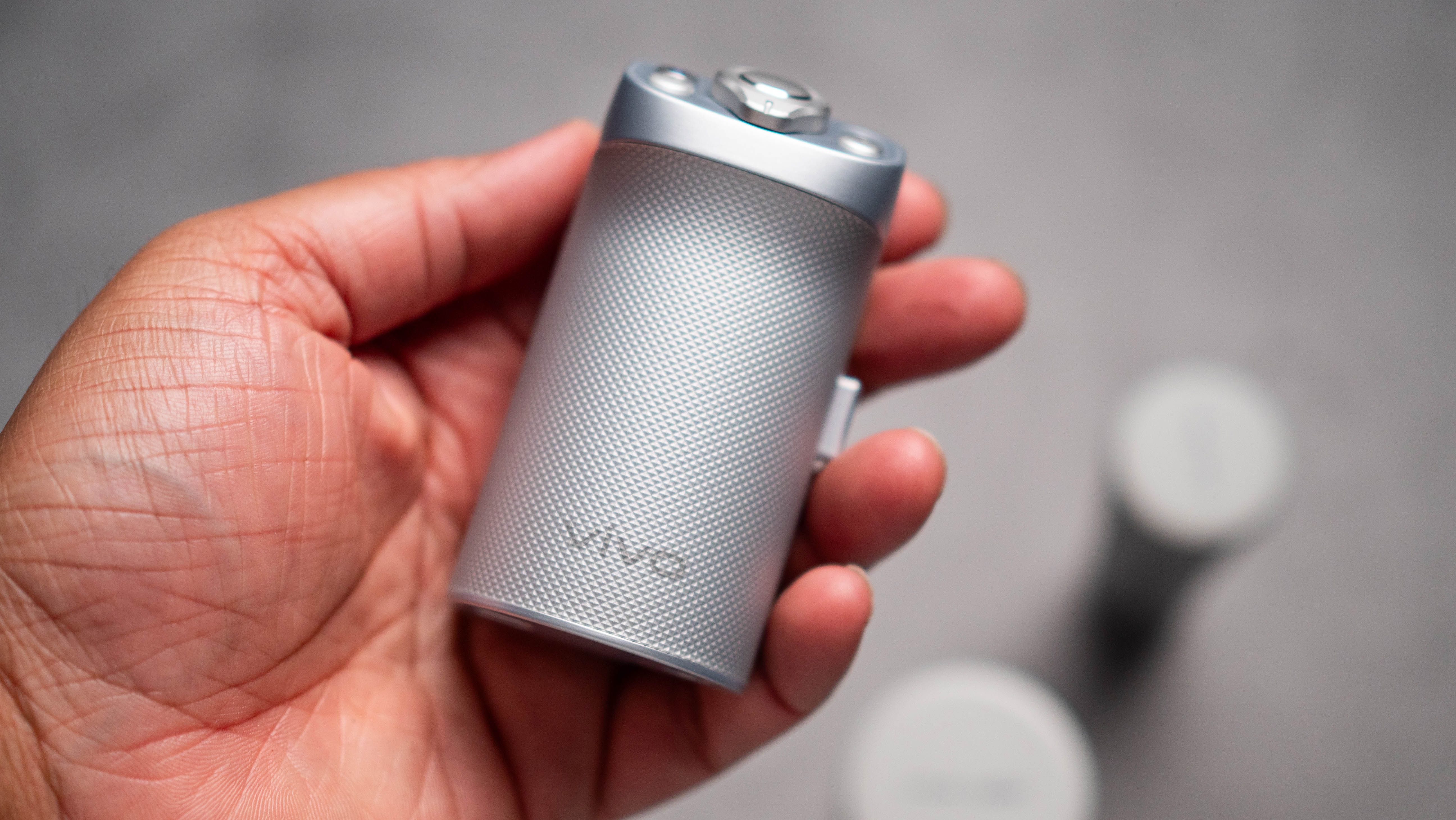
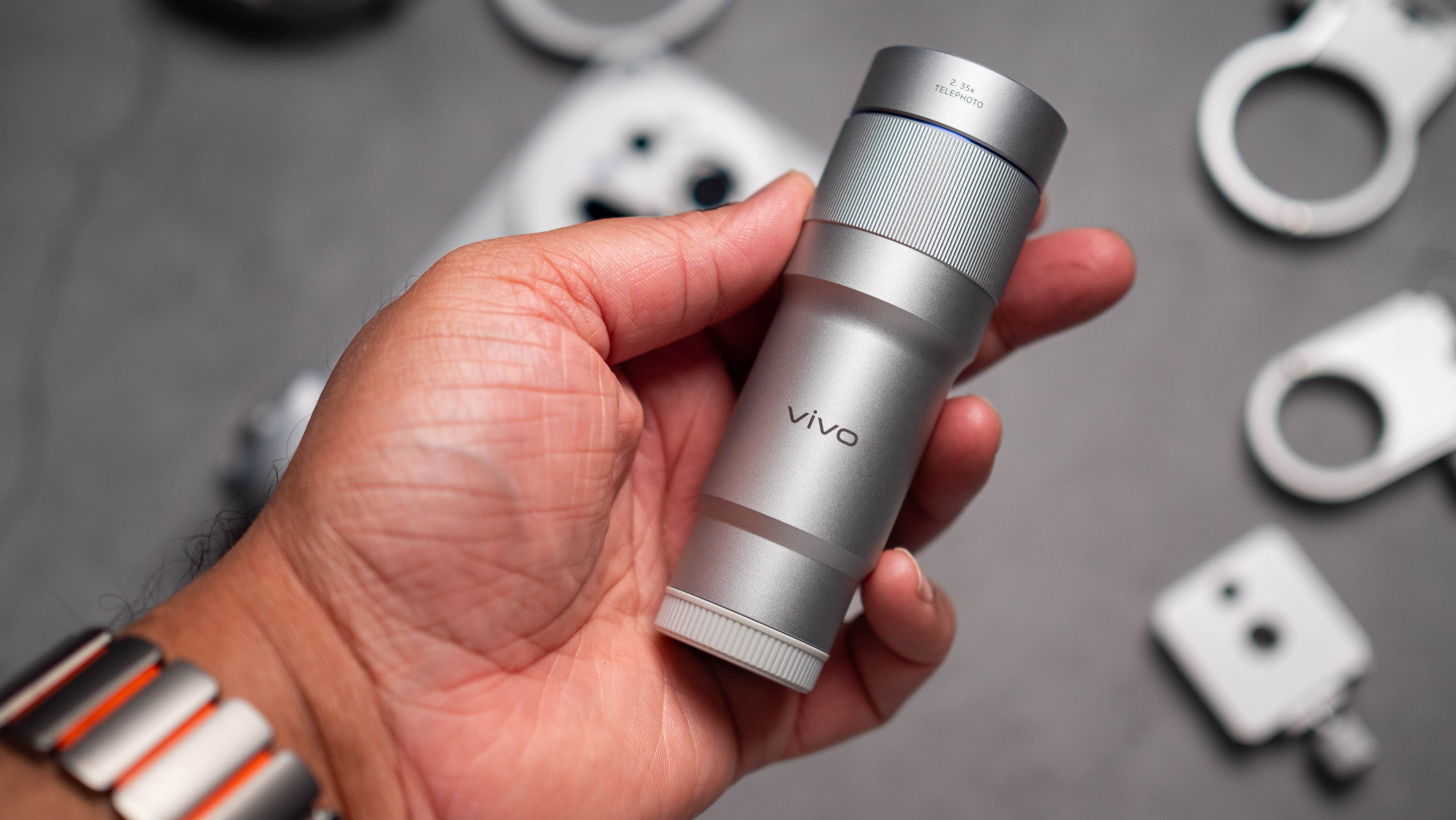
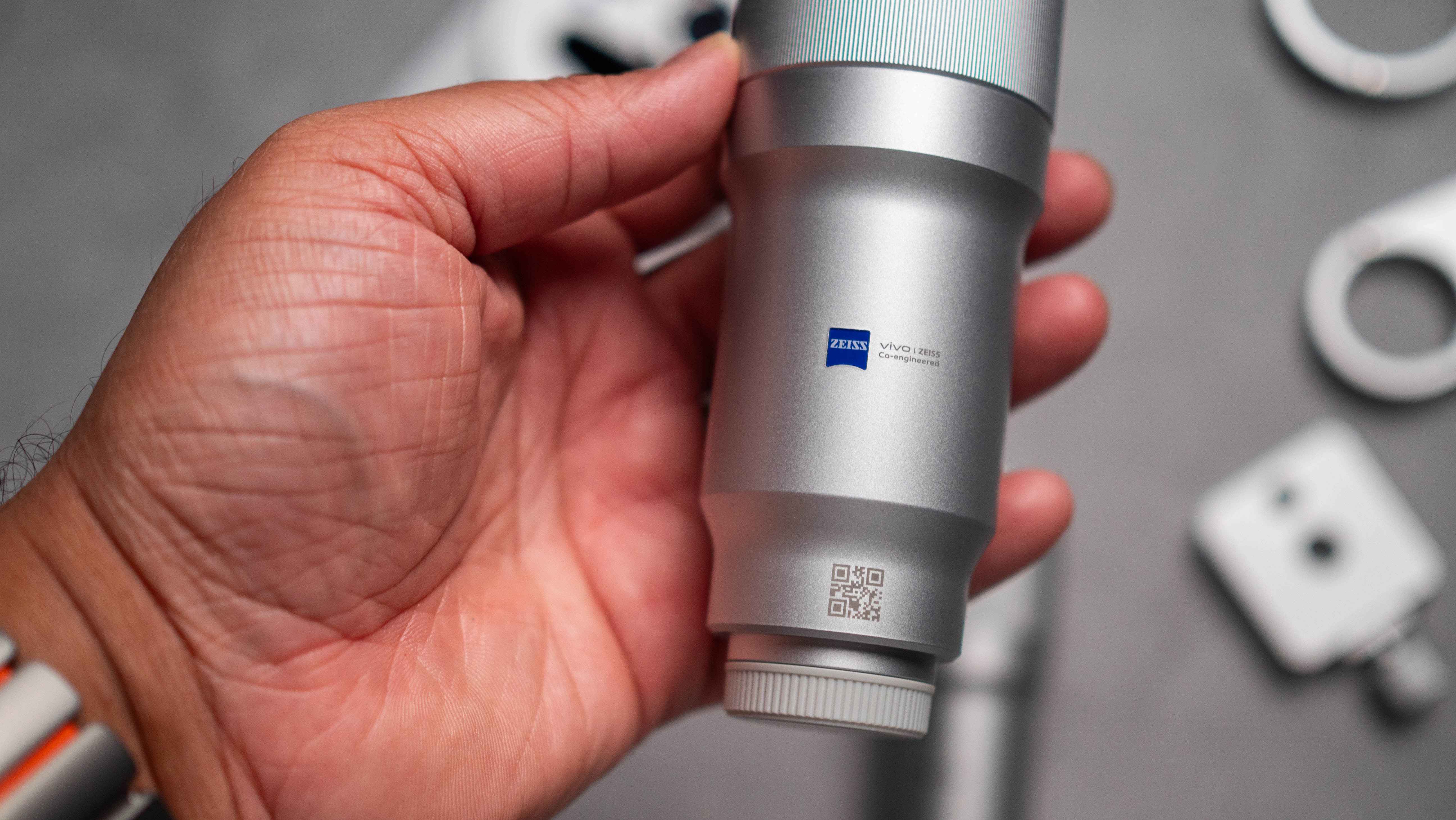
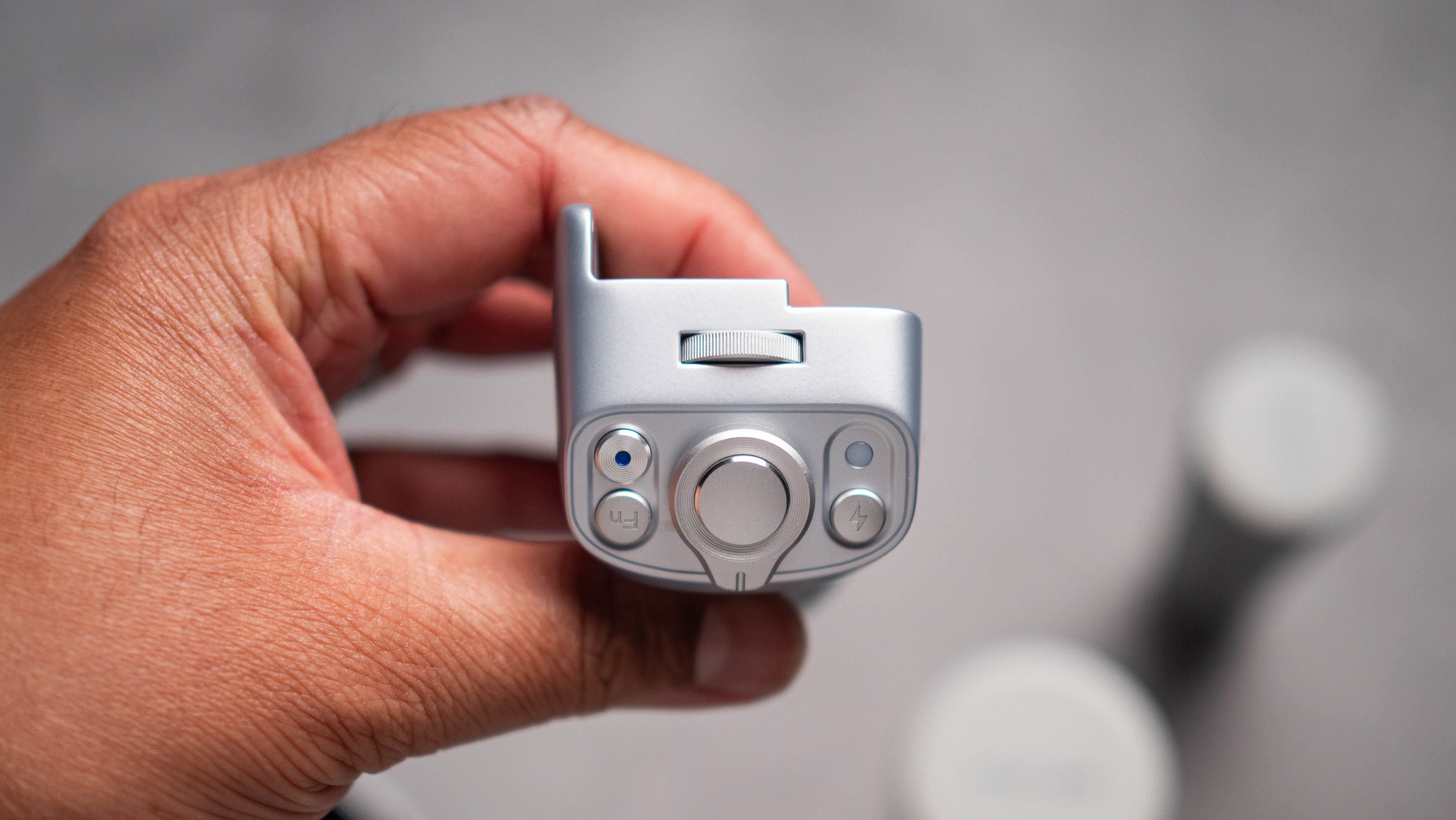
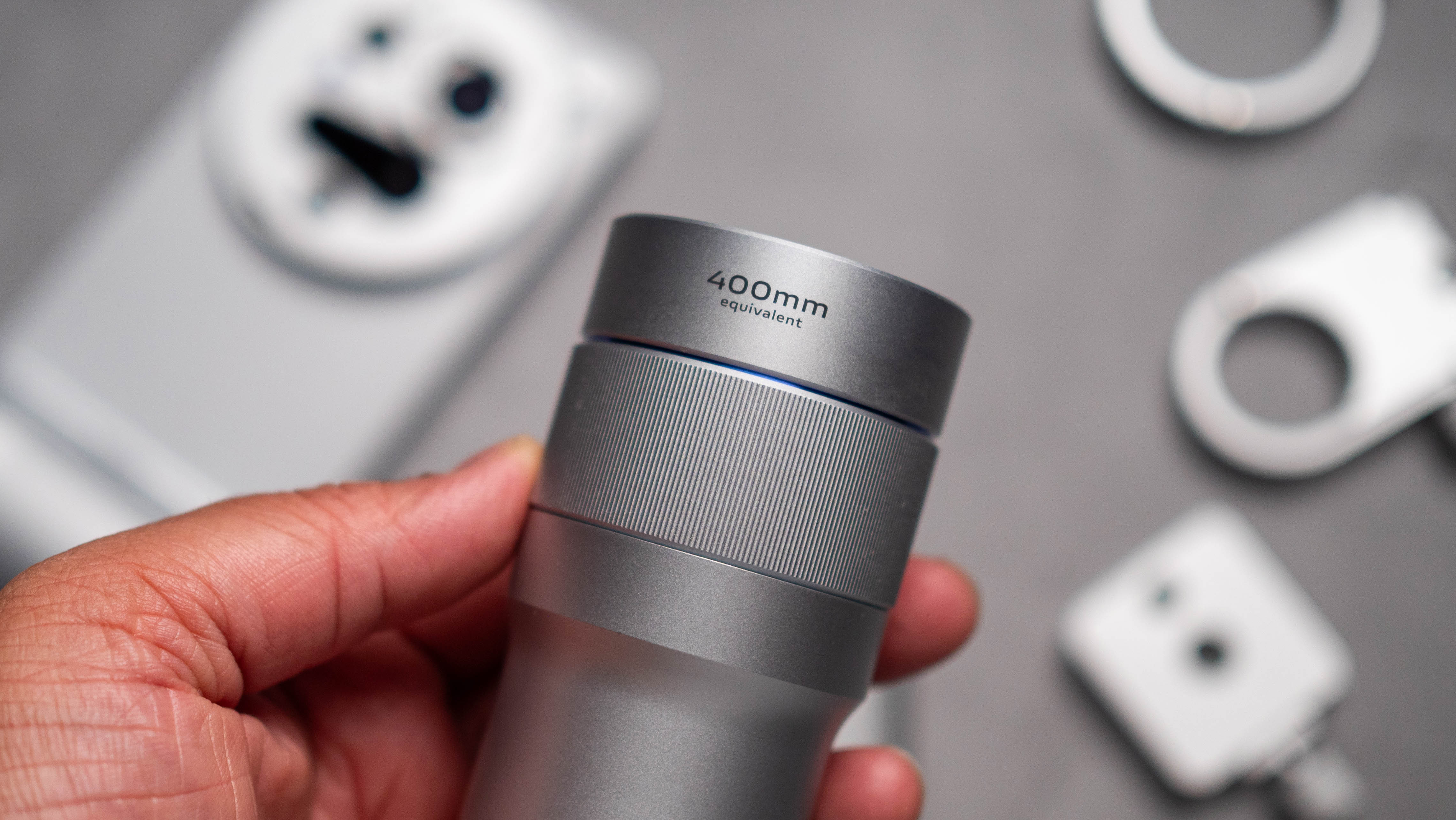
I got both lenses and the requisite accessories to attach them to the device, and while I’ll delve into a bit more detail in a standalone post, what you need to know is that both lenses give the X300 Ultra a sizeable advantage. The best part is that the tele lens attachment that debuted with the X200 Ultra fits just as well on the X300 Ultra, so if you have that, you can use it with this year’s phone.
The X300 Ultra has a stylish design — and great battery life

While the X300 Ultra is all about cameras, Vivo didn’t miss any details with the rest of the phone. The design is pretty great in its own right, and the huge 6,600mAh battery ensures you can use this phone all day even if you take hundreds of photos and hours-long video. No matter how much I pushed the phone, I was able to get to the end of the day without needing battery saver. And with 100W fast charging tech, it takes just over 42 minutes to fully charge the battery, and it goes up to 50W with USB PD chargers as well.
The X300 Ultra has a two-tone design at the back with an etched pattern of a mountain underneath the camera module, and it looks cool. The bottom third of the phone has a plain texture with Vivo’s logo on the side, with Vivo mimicking the feel of traditional cameras; that said, I would’ve preferred a leather finish. While it’s a giant slab of a phone, the beveled edges along the mid-frame make holding the phone much more comfortable, and it doesn’t dig into your hand like the Galaxy S26 Ultra or even the Pixel 10 Pro XL.
Image 1 of 5
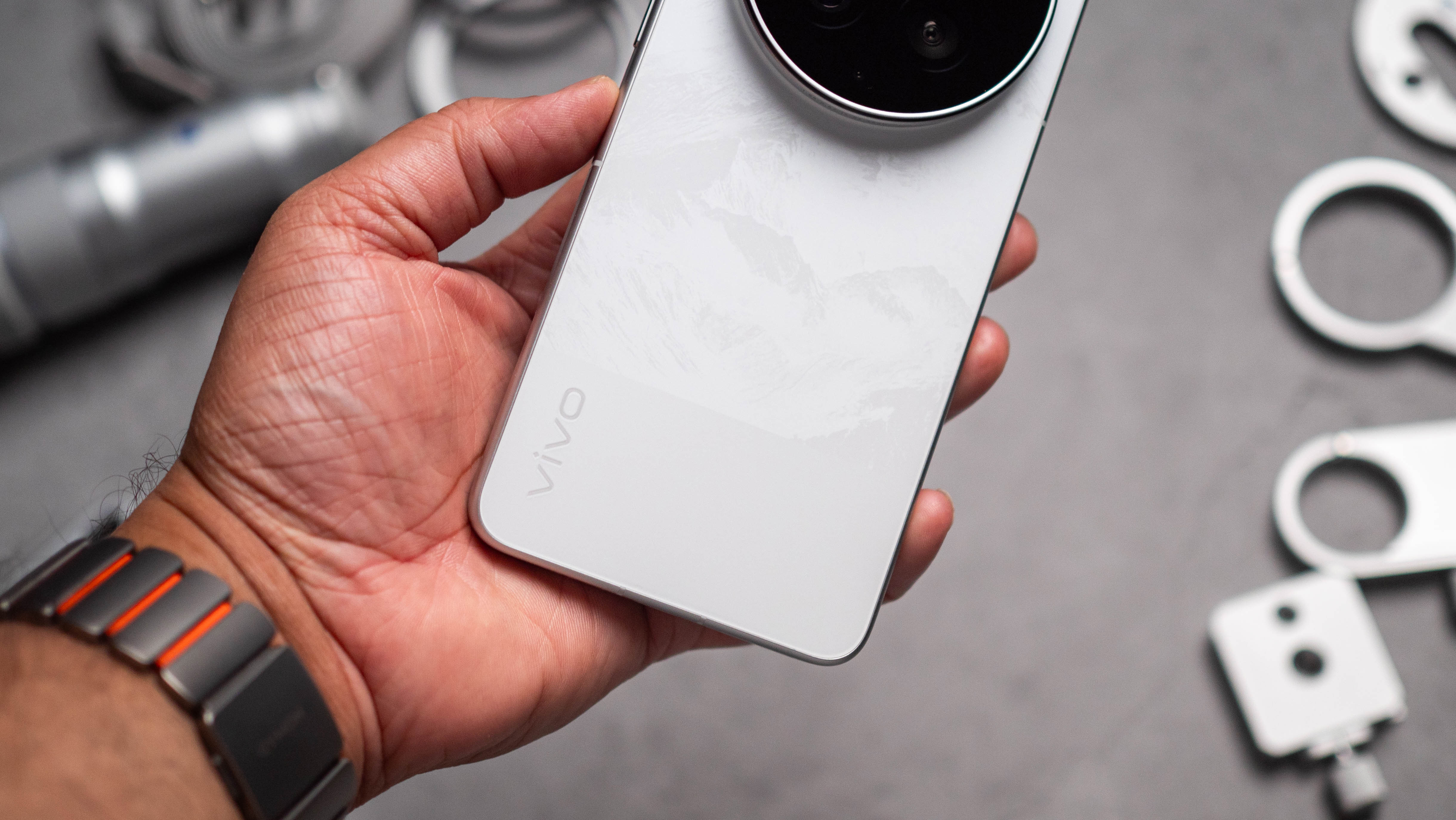
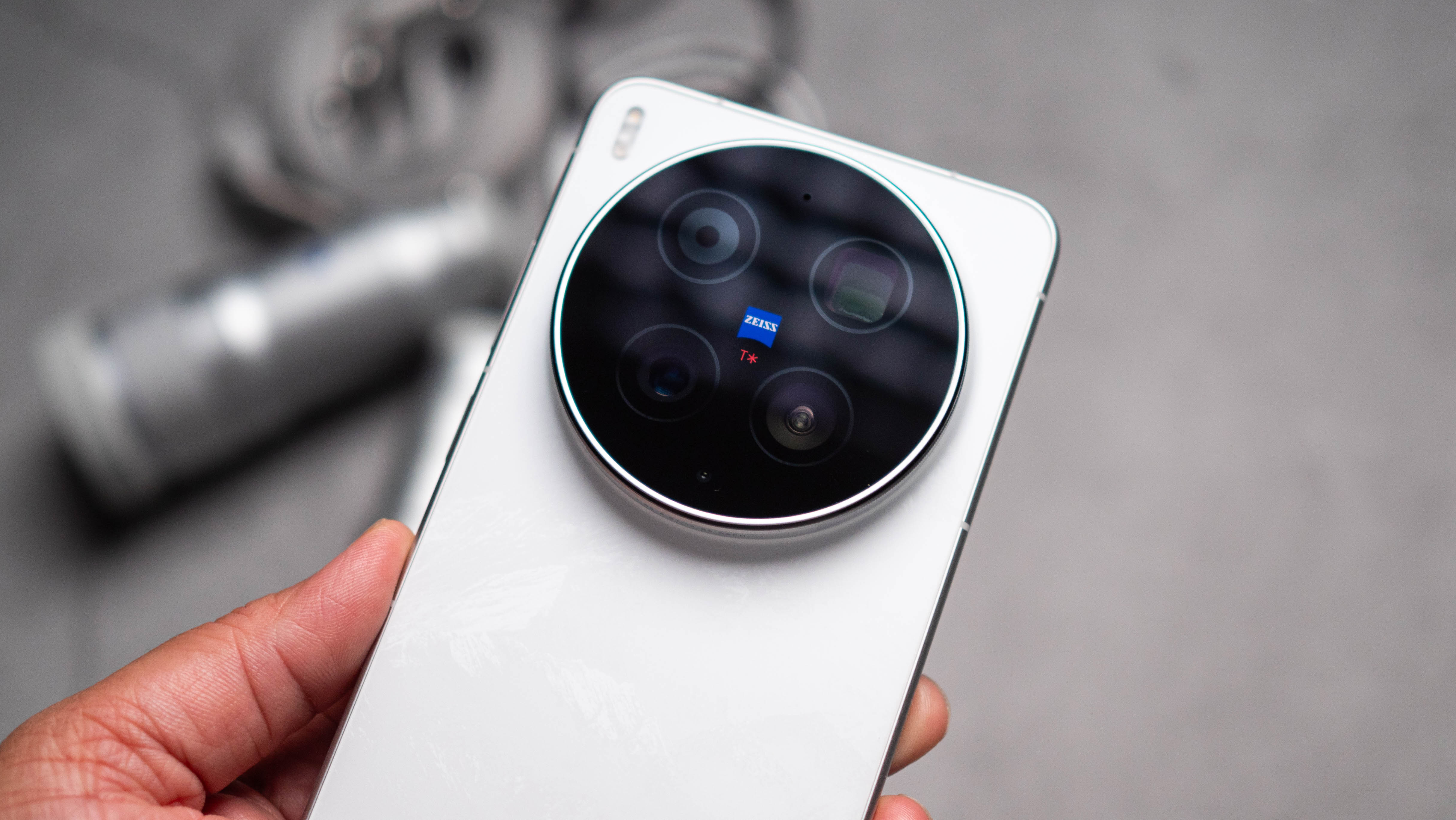
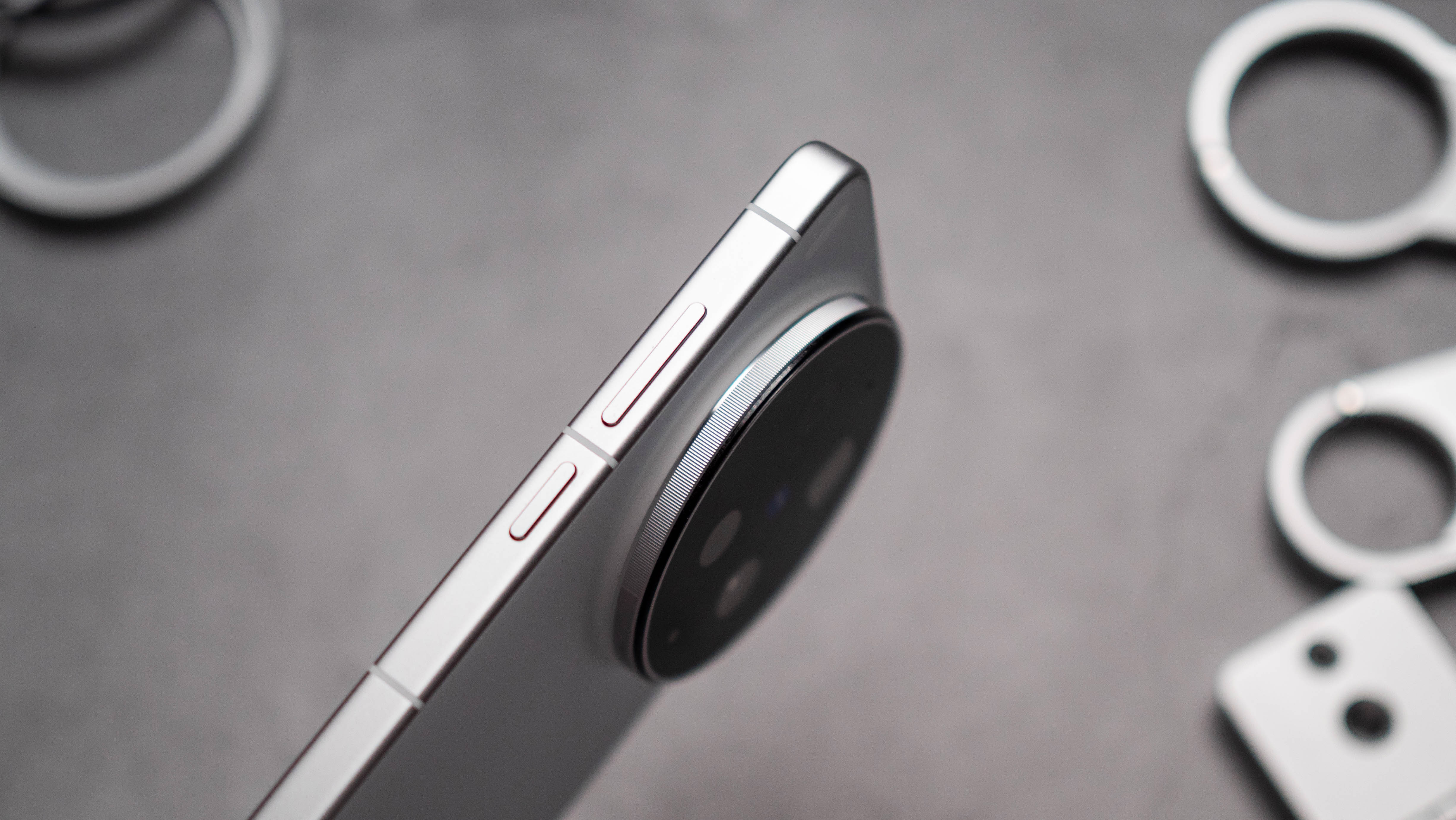
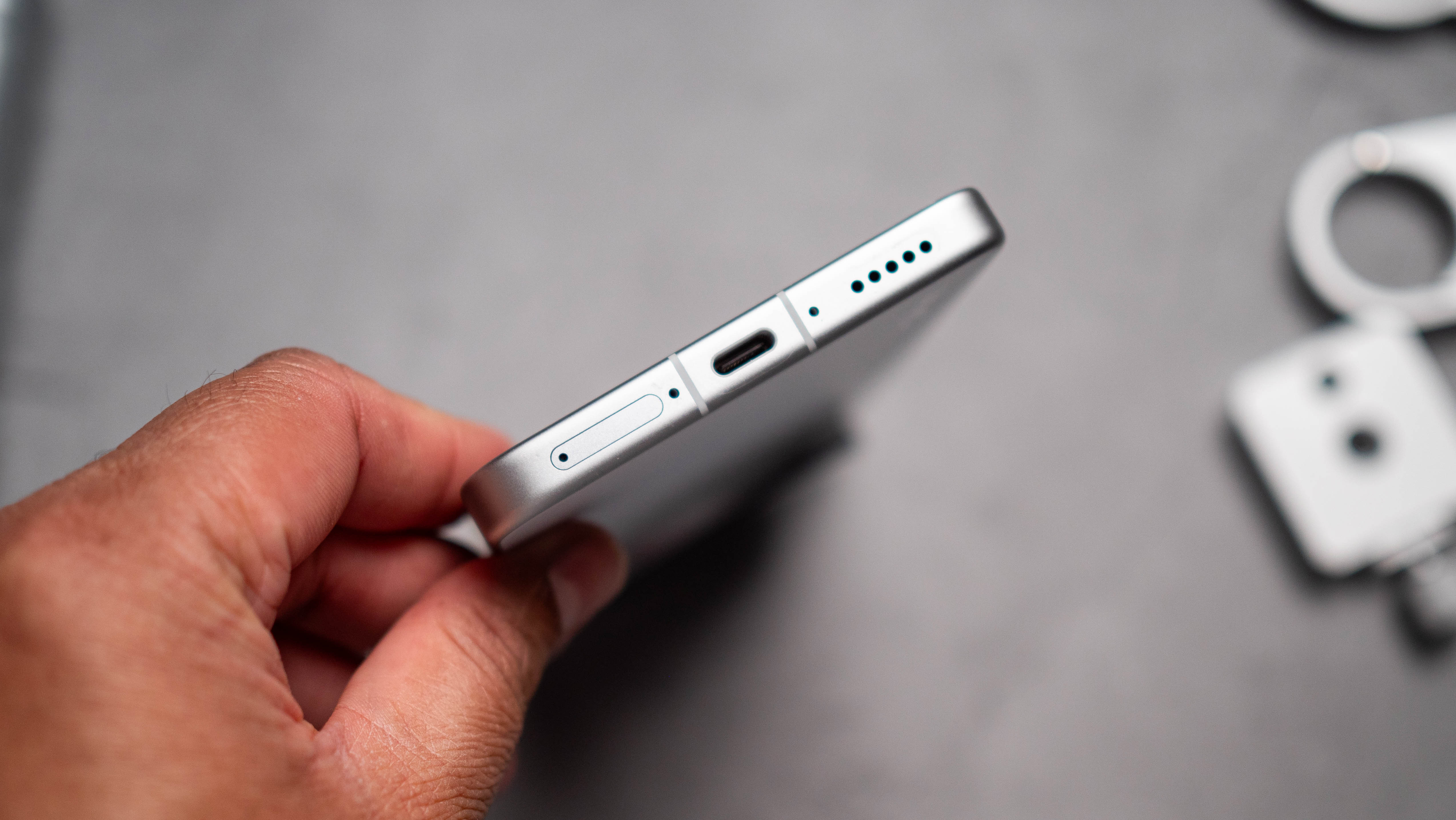
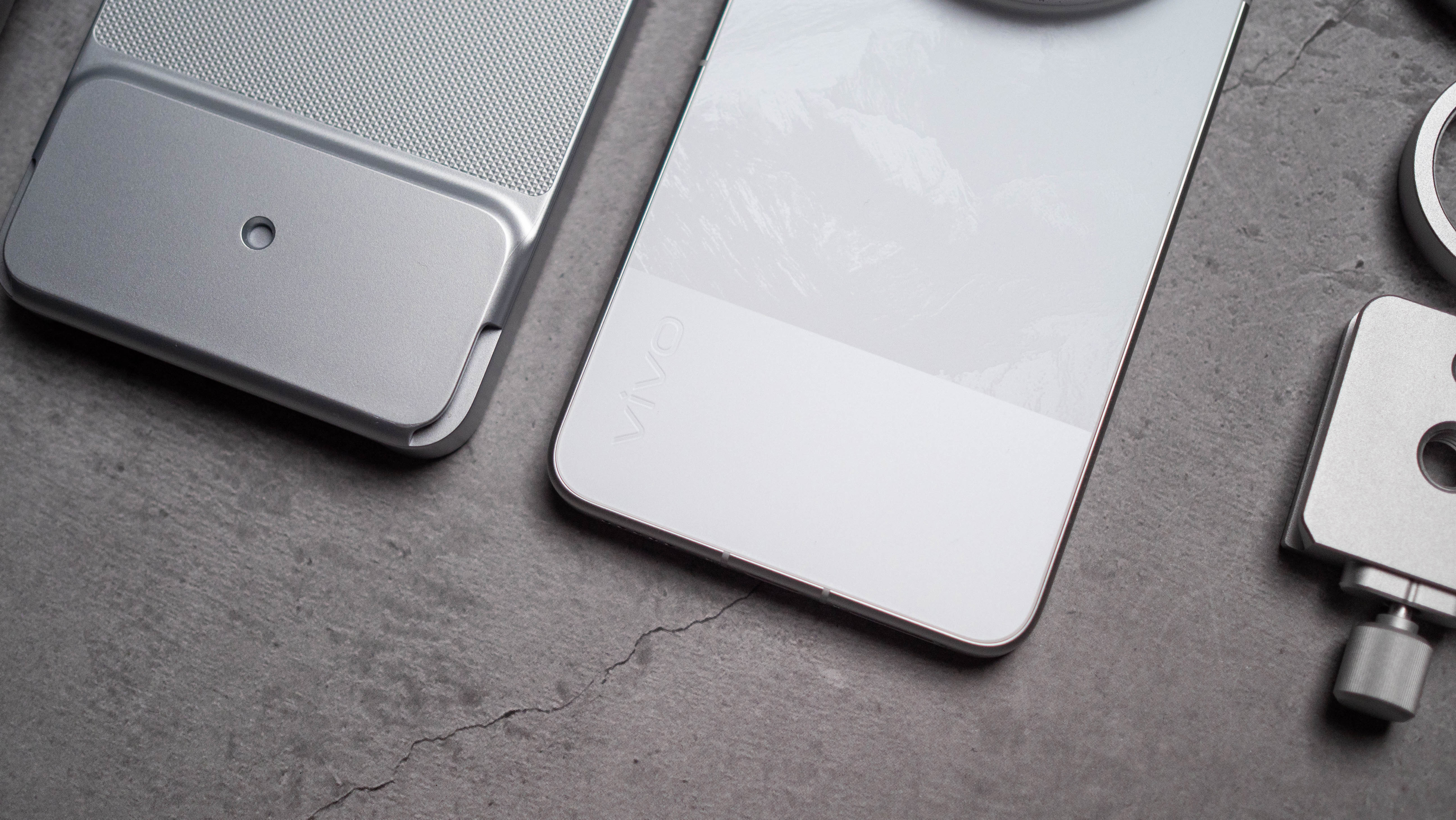
The mid-frame also has a matte texture, and in a refreshing change of pace, you don’t have any additional buttons — there’s just the power button and volume buttons on the right side of the phone. The overall build quality is excellent (as you’d imagine), and I didn’t see any issues in this area. Like most other Chinese phones, the X300 Ultra gets IP68 and IP69 dust and water resistance.
Vivo somehow went with an even bigger camera module this time, but as it is centered, it doesn’t cause any wobble when using the device on a table. The rounded module has a metal ring encircling it, and the design contrasts well with the matte texture on the rear. If anything, the size of the module works to its advantage, as I found it to be the ideal place to rest my index finger while holding the phone.

The 6.82-inch AMOLED panel is unchanged from last year, and the only difference I noticed is that it gets a little brighter when used next to the X200 Ultra, and it handles HDR content a little better. The 144Hz refresh rate is nice, and it makes a slight difference against the 120Hz refresh that’s been standard for a while now. Outside of that, the panel has great color vibrancy and contrast levels. There are meaningful eye comfort features, you get high PWM dimming across the entire brightness range, and decent customizability when it comes to tweaking the color balance.
You get all the power you need — and then some

Although Vivo uses MediaTek with its other X300 phones, you get the Snapdragon 8 Elite Gen 5 on the X300 Ultra, and it is a powerhouse like no other. It handles demanding games with ease, and while other phones I tested ran into overheating issues, that wasn’t a case on this device — it could be down to the Chinese version of the software. I’ll test the hardware against the global model once I get my hands on it and see if there’s any noticeable difference.
Otherwise, I didn’t see any issues whatsoever with the hardware, and my unit has 16GB of LPDDR5X RAM and 1TB of UFS 4.1 storage. It will be interesting to see what storage variants Vivo launches globally, but we should get at least the 12GB/256GB and 16GB/512GB models.
Elsewhere, there are no problems with connectivity. The Chinese model has all the requisite cellular bands to use globally, and I had no issues getting 5G in India. The phone has the usual high-res codecs as well, including AptX Adaptive, and I didn’t have issues using Roon. Now, the X300 Ultra gets satellite connectivity, but as I’m using the Chinese model — which is limited to China Mobile — I wasn’t able to test it. It will be interesting to see if Vivo retains the feature in the global model.
The software is better than I imagined

I’ll briefly talk about the software, as it’s relevant if you’re interested in getting the Chinese model. The phone runs OriginOS 6 based on Android 16, and honestly, it’s great to use. I tested dozens of Android phones with Chinese skins in the past, and it’s refreshing to see just how easy it is to move data from an Android phone over to the X300 Ultra — it’s faster than Google’s built-in data transfer system. Other than that, it’s a breeze to install the Play Store and get all your apps installed on the device, and it took me less time to set everything up the way I want on the X300 Ultra than most other phones.
The only problem with using the Chinese version of OriginOS is that there are lingering notification issues. It’s easy enough to address by disabling memory management, but you’ll need to do with every individual app. With close to a week of use, I get Gmail and Slack messages without any issues, but that wasn’t the case when I set up the phone. Other than that, OriginOS has a lot of positives, and I like the design and all the customizability that Vivo has added over the last 15 months.
The X300 Ultra is the camera phone to beat in 2026

If I’m being honest, the X300 Ultra didn’t need to do much to dominate its rivals. The X200 Ultra holds up incredibly well in 2026, and with upgraded cameras and improved tuning, the X300 Ultra stands out even more, which is an achievement in and of itself. The new cameras are groundbreaking, and video recording in particular is on another level altogether.
I don’t know what the global X300 Ultra will cost, but historically, Chinese variants have been much more affordable — by several hundred dollars — and that’s bound to be the case this time as well. That means you have the potential to save quite a bit of cash by getting the Chinese variant, and honestly, if I had to buy the X300 Ultra, that’s what I would do. Still, with the phone launching globally, it makes sense to wait and see how much the X300 Ultra retails for outside China before taking the plunge.
Look, I’m privileged in that I get to use all flagships, so there’s no shortage of devices I can use on a daily basis. Between the Galaxy S26 Ultra, Pixel 10 Pro XL, Find X9 Pro, Vivo X300 Pro, and the Xiaomi 17 Ultra, and there’s no doubt that the X300 Ultra has the best all-round package. The cameras alone give the phone a distinct lead, but when you combine the rest of the hardware and the battery, you’re looking at the best phone of 2026. OPPO has to do something truly innovative with the Find X9 Ultra to be able to challenge Vivo this year.

 By
By