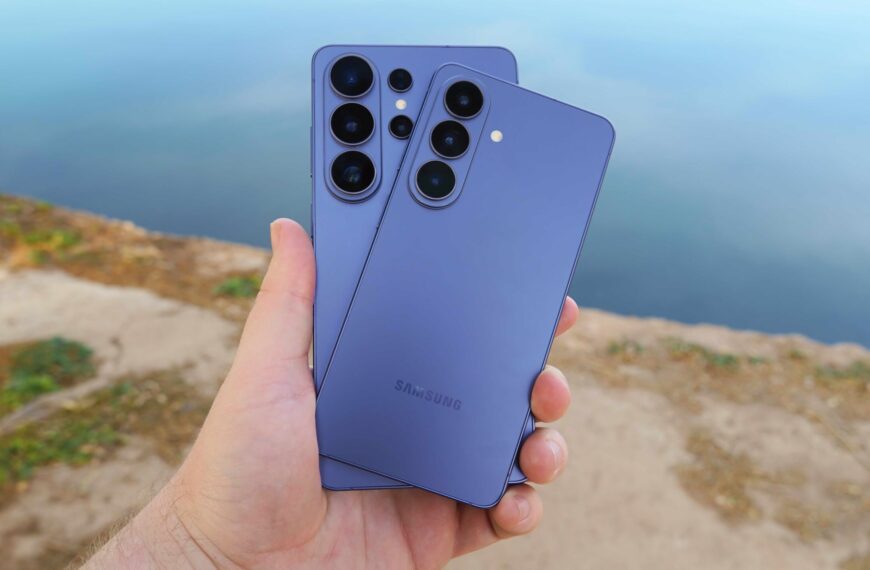
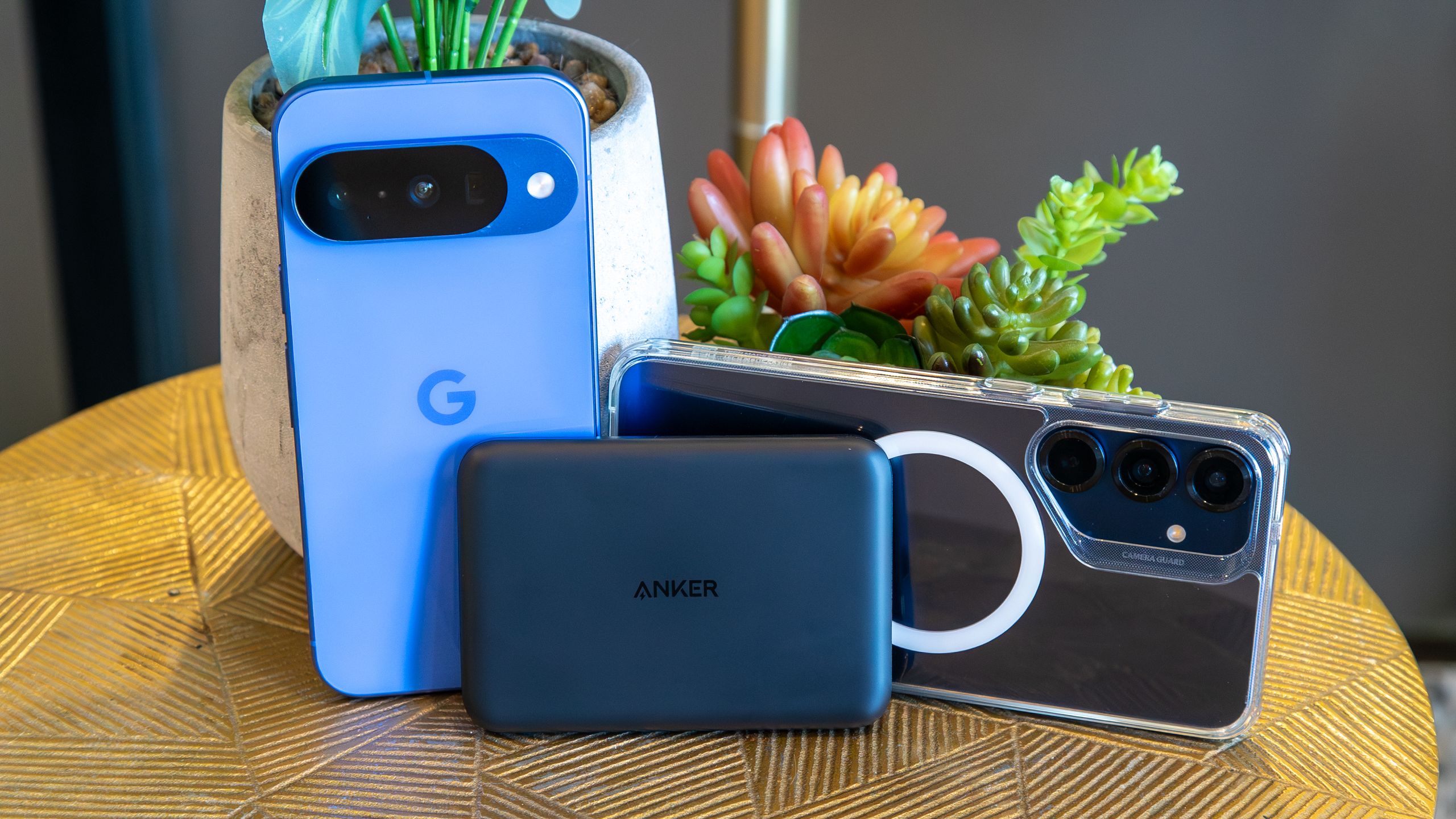

It’s easy for Android fans to forget that Apple introduced MagSafe in the fall of 2020. The COVID-19 pandemic was wreaking global havoc, the Google Pixel Watch didn’t exist yet, and I was a freshman in college. That’s how old the MagSafe charging standard is. Six years later, the Android mobile ecosystem is still struggling to find its footing incorporating MagSafe technology — now part of the Qi2 standard — into its leading flagship models.
I thought last year was a turning point for MagSafe on Android. Samsung let me down by adding Qi2.1 Ready to the Galaxy S25 series, which supports the underlying Qi2.1 technology but lacks the hardware magnets needed for full compatibility. Still, it seemed to be a step in the right direction.

Any leak needs to be taken with a grain of salt. Even if these are indeed Samsung’s first-party Galaxy S26 cases, it’s not surefire evidence that the upcoming phone lineup won’t sport inbuilt Qi2 magnets.
However, the folks at 9to5Google are absolutely correct that Samsung making cases without passthrough magnets is as clear of a sign as any that it’s not going all-in on Qi2. Think about it — why would Samsung redesign the entire Galaxy S26 series’ hardware to support Qi2 magnets, only to sell cases that disincentivize users from benefiting from it?
If the Samsung Galaxy S26 lineup doesn’t include hardware Qi2 magnets, prospective buyers should seriously reconsider their planned purchases. Regardless of how you feel about Qi2 specifically, Samsung’s rumored omission of this feature would become the latest example of the company seemingly resting on its laurels.
Qi2 should be a standard, essential feature in 2026

Apple, and now Google, made Qi2 a default feature on flagship phones. In a rare move, Apple graciously gifted its magnetic technology to the Wireless Power Consortium in 2023, forming the core Qi2 standard. As a reminder, here’s how the WPC explained how the new technology came to be in its initial press release:
WPC member, Apple, provided the basis for the new Qi2 standard building on its MagSafe technology. Apple and other WPC members developed the new Magnetic Power Profile, which is at the core of Qi2. Qi2’s Magnetic Power Profile will ensure that phones or other rechargeable battery-powered mobile products are perfectly aligned with charging devices, thus providing improved energy efficiency and faster charging.
Wireless Power Consortium
As Android users, we (rightfully) like to pick on Apple for its closed ecosystem and abundance of proprietary technologies. This situation simply makes Android brands look silly. For once, Apple opened up a crucial feature for everyone to use, and Android manufacturers simply ignored it for years.
Smartphone designs are developed years in advance, so I’ll give Android brands a pass for not including Qi2 right out of the gate (although one did just that). But now, there’s simply no excuse. If Google can do it, surely Samsung — the most dominant player in the Android smartphone market globally — can do the same. Every generation of Galaxy phones that launches without Qi2 is one that puts Samsung further behind the curve.
Qi2 isn’t a novelty, it’s a necessity. It works with chargers, cases, wallets, stands, tripods, and many more categories of mobile accessories. Every major accessory brand sells a MagSafe or Qi2 product of some kind. Customers have spoken: this is a feature they want.
If magnets aren’t coming to the Galaxy S26 series, what is?

It’s no secret that Samsung’s ambitions for the Galaxy S26 series were tamed early, according to multiple reports. Rumors of a Galaxy S26 Pro replacing the typical base model and a Galaxy S26 Edge taking the Plus model’s place were quickly squashed as Samsung switched gears. All told, the new Galaxy S26 models are rumored to basically run it back with similar hardware, specs, and design.
Maybe Samsung surprises us with new features or clever value propositions. Perhaps the company adds full Qi2 support after all and I end up having wrote this article for nothing. However, if Samsung is neither adding Qi2 nor upgrading key specs or redesigning the Galaxy S26 series… what is it changing?
A Galaxy S26 without inbuilt Qi2 magnets would immediately be a no-go for me. At some point, enough is enough, and it becomes impossible to defend the lack of major upgrades across multiple generations.
I know what it looks like when Samsung puts its strongest showing forward — the Galaxy Z Fold 7, Galaxy Z Flip 7, and Galaxy Watch 8 are all some of my favorite products in their respective categories this release cycle. The company should be giving the mainline Galaxy S series way more love.
 By
By