
When you purchase a salvage vehicle from car auctions and complete the rebuild, securing insurance becomes the next critical step. However, insuring a rebuilt salvage car works differently from insuring a standard used vehicle. While car prices continue climbing — with the average transaction price for new vehicles hovering above pre-pandemic levels — rebuilt salvage cars offer an affordable alternative. The catch? Getting insurance on them takes more work than you’d expect.
In this edition of Tips and Insights, we’re breaking down exactly what insurance options exist for rebuilt salvage cars, what coverage you can realistically expect, and how to approach insurers with documentation that strengthens your case.
What Insurers Actually Look at With Rebuilt Salvage Cars
Insurance companies don’t treat rebuilt salvage vehicles the same way they treat regular used cars. Their main concern is simple: did someone rebuild this car properly, or is it a potential long-term risk?
Here’s what they want to see:
1) State inspection certificate
Nearly every state requires an official inspection before converting a salvage title to rebuilt status. This is your golden ticket. Without it, most insurers won’t even talk to you.
2) Detailed repair records
What broke? What got replaced? Were those OEM parts or cheaper aftermarket alternatives? Insurers care about all of it.
3) Photos throughout the rebuild
Before shots of the damage, mid-repair progress pics, and finished product. The more, the better.
4) Who did the work
A certified collision shop with a good reputation? Or an independent, non-certified facility? Both can work, but the first one gets you better rates.
When you buy used cars at auction, particularly salvage cars, start documenting everything immediately. That paperwork becomes your strongest leverage when speaking with insurers.
Types of Insurance Coverage Available
Liability-Only Coverage
This is the easiest route for a rebuilt salvage vehicle. Nearly every insurer offers liability coverage, and it’s often sufficient for many drivers.
What you get:
- Coverage for injuries you cause to other people
- Repairs to other people’s cars and property
- Legal protection if someone sues you after an accident
What you don’t get:
- Repairs to your own car
- Protection against theft
- Coverage for weather damage, vandalism, or hitting a deer
If your rebuilt car didn’t cost much to begin with, or if you’ve got the skills and tools to fix it yourself, liability-only makes financial sense. You’re saving money on premiums and betting you won’t total your own vehicle.
Collision and Comprehensive Coverage
This is where underwriting standards become more restrictive. Many insurers either flat-out refuse full coverage on rebuilt titles or make it so expensive and restrictive that you wonder if it’s worth it.
Here’s what to expect:
- Some insurers cap payouts at 60-80% of what they’d pay for a clean-title version of the same car
- Premiums may increase by 20–50% compared to identical coverage on a clean title
- Finding an insurer who’ll even offer it takes real effort
However, it’s not impossible. These companies regularly insure rebuilt titles:
| Insurance Company | Full Coverage Available? | What to Expect |
| State Farm | Yes, most states | They’ll want an inspection certificate |
| Geico | Case-by-case | May ask for a professional appraisal |
| Progressive | Yes, with limits | Higher premiums, case-by-case full coverage |
| Allstate | Rarely | Usually offers liability-only, state-dependent |
| USAA | Yes, for members | Heavy documentation requirements |
Note: Availability varies by state. Verify details with a local agent or your state DMV.
How Rising Car Prices Affect Rebuilt Salvage Insurance
The cost of cars has jumped significantly since 2022. It’s not just inflation doing the damage. Raw material costs have surged, particularly steel and aluminum used in vehicle manufacturing. Meanwhile, automotive electronics cost more every year. Modern vehicles need expensive computer modules, ADAS system components, and sensors that older cars never had.
This affects rebuilt salvage insurance in three ways:
Repair costs keep climbing
If you get into another accident with your rebuilt car, fixing it costs more. Automotive software development isn’t cheap. Crash test-compliant parts cost more than they used to. Clean engine technology components add up fast. Insurers know this, so they price premiums accordingly.
Total loss thresholds are changing
When car prices explained by market trends show sustained inflation, insurers adjust their math. A rebuilt salvage car with questionable resale value might get totaled after relatively minor damage because the repair costs don’t make sense compared to what the car is worth.
More people are buying salvage vehicles
As new car affordability declines, more buyers turn to cheap salvage cars for sale. That means more rebuilt titles on the road, which changes how insurers calculate risk. A bigger pool of rebuilt cars means better data and potentially better rates down the line.
Understanding why cars cost more overall gives you leverage in negotiations. If you rebuilt your car with quality parts that meet current safety regulations, you’re directly addressing what keeps insurers up at night.
Best Practices for Getting Better Insurance Terms
Choose Your Rebuild Shop Carefully
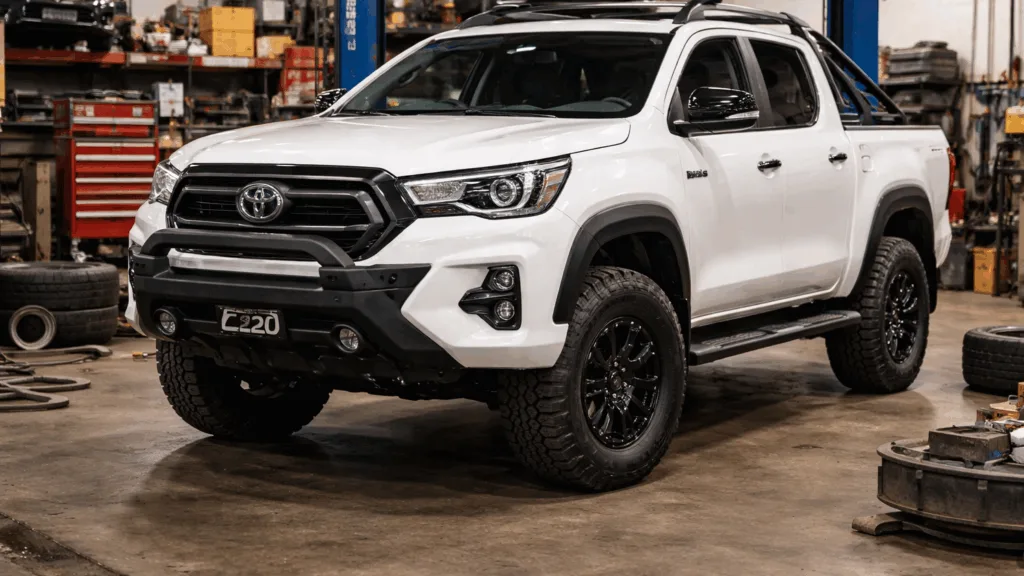
Certified collision centers with documented processes get better treatment from insurers than DIY garage builds. That doesn’t mean you can’t rebuild a car yourself — plenty of people do. Just know that professional repairs open more insurance doors.
If you’re rebuilding accident damaged vehicles for sale or personal use, consider splitting the work: handle cosmetic stuff yourself, but let a certified shop tackle structural repairs and anything safety-related. You get the best of both worlds.
Get a Professional Appraisal
An independent appraisal from a certified auto appraiser does two things: establishes market value and confirms your rebuild quality. This matters when you’re negotiating coverage limits and premiums. It costs a few hundred dollars, but it can save you thousands over the life of your policy.
Document Everything
From the moment you purchase wrecked cars at auction, your phone becomes your best friend:
- Take wide shots of all damage angles
- Photograph the VIN plate and door jamb stickers
- Capture disassembly as parts come off
- Document new parts with labels and part numbers visible
- Get progress shots showing repairs in the process
- Take final photos from every angle
- Keep your state inspection paperwork in a dedicated folder
This portfolio proves your rebuild quality to skeptical insurers. Don’t rely on memory. Don’t assume they’ll believe you. Show them.
Consider Specialty Insurers
Mainstream carriers like Allstate or Nationwide sometimes offer terrible terms on rebuilt titles. If that happens, don’t give up. Specialty insurers focus on modified or unusual vehicles, and rebuilt salvage cars fall right in their wheelhouse.
Companies worth checking:
- Hagerty (expanding beyond classic cars)
- American Modern (writes policies for unique vehicles)
- Grundy (collectors and custom builds)
- Philadelphia Insurance Companies (specialty vehicle division)
Their premiums might surprise you — sometimes lower than what mainstream companies quote for worse coverage.
FAQ
Will my insurance cost more on a rebuilt salvage car compared to a clean title?
Yes, expect to pay 20-50% more for equivalent coverage. That sounds high until you factor in that rebuilt vehicles often cost half as much as clean-title versions. Run the actual numbers. A $15,000 rebuilt car with $1,200 annual insurance still costs less over five years than a $30,000 clean-title car with $800 annual insurance.
Can I get full coverage on a car I bought from salvage vehicle auctions?
Sometimes. State Farm, Geico, and Progressive all write comprehensive and collision coverage for rebuilt titles in most states. They’ll want proof of proper repairs, inspection certificates, and sometimes an independent appraisal. Gather your documentation before you start calling insurers — it speeds everything up.
How do I know if my rebuilt car will qualify for comprehensive insurance?
Start with your state’s rebuilt title inspection. Get it done and passed. Then contact at least three insurers with your full documentation package: inspection certificate, repair receipts, and photos. If all three decline, you’ve got two options: find a specialty insurer or stick with liability-only coverage. The inspection certificate matters more than anything else in that stack of papers.
Does the original salvage reason affect my insurance options?
Absolutely. Hail damage? Most insurers are fine with it after a proper rebuild. Major front-end collision? They’re more cautious but still workable. Flood damage? That’s where you might hit a wall. Some insurers refuse flood-rebuilt vehicles because water damage can trigger long-term electrical failures that appear years later.
Final Thoughts
Getting insurance on a rebuilt salvage car takes more effort than insuring a regular used vehicle. You’ll make more phone calls, gather more paperwork, and probably deal with at least one insurance agent treating the vehicle as unusually high-risk. Remain persistent. The coverage exists.
As car market trends in 2026 keep pushing new and used car prices upward — driven by everything from automotive electronics costs to standard car features like LED headlights that were once premium options — rebuilt salvage vehicles remain one of the few ways to access affordable transportation. Getting proper insurance on them protects that investment and keeps you legal on public roads.
Sources (accessed March 2026):
- National Association of Insurance Commissioners (NAIC). “Auto Insurance.”
- Kelley Blue Book. “2026 Average Transaction Prices and Market Trends.”
- State Farm. “Rebuilt Title Car Insurance Policy Guidelines.”
- National Highway Traffic Safety Administration (NHTSA). “Vehicle Safety Standards and Salvage Title Requirements.”
Looking for affordable vehicles? Register for free on AutoBidMaster and explore thousands of clean and salvage vehicles today.

 By
By