
Porsche has created some of the most thrilling performance cars of all time but, behind the scenes, it’s also using its engineering expertise to perfect better methods of recycling.
Working with German chemical giant BASF SE and technology partner BEST (Bioenergy and Sustainable Technologies), Porsche has recently completed a joint project for recycling troublesome mixed waste from end-of-life vehicles into a form that can be used to make new high-grade components.
One of the difficulties in automotive recycling is dealing with fragmented leftover waste material once all the metals are removed. After dismantling into individual parts, some of which can be recycled relatively easily, what remains is shredded to produce automotive shredder residue (ASR).
This can include textiles, glass, foam, plastics, dust and dirt, films and paint particles. So far, ASR is often disposed of by recovering energy as heat by incineration, but the ideal is to be able to recycle it into something usable.
Because of the complex mix of materials, ASR can’t simply be melted down like steel or aluminium for reuse. But it can go through a procedure that turns it into gas as a first step on the road to producing high-grade plastic. This process is aptly named ‘gasification’. It was discovered several hundred years ago and has been developed and used over the years for creating town gas, synthetic fuels and chemicals and transportation fuels from coal.
In this case, it works by heating the materials to typically beyond 700deg C and with little oxygen present to produce ‘syngas’. Syngas can be used to generate heat or as a stepping stone to producing synthetic liquid fuel but, here, BASF uses it to make polyurethane, which is sent to a specialist supplier to make polyurethane foam.
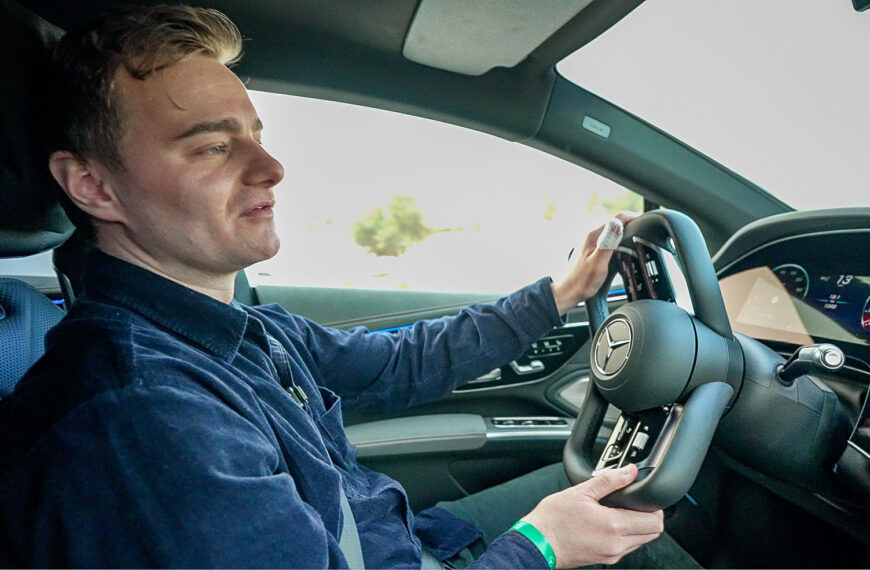
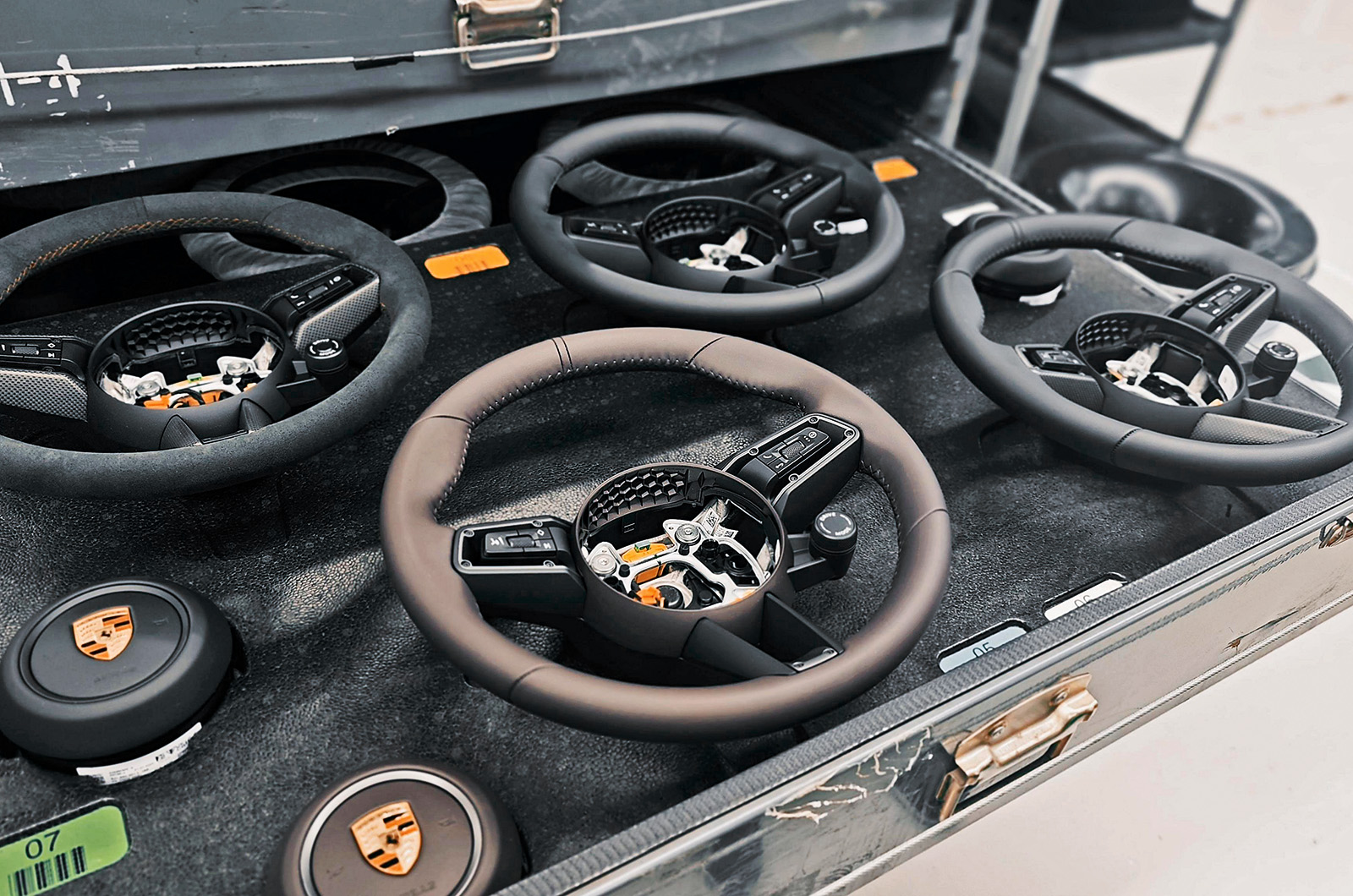
Porsche says the raw material produced from gasification is of comparable quality to conventional primary raw materials and, in this pilot project, it’s using the foam to make new steering wheels. The aim is to use the gasification process in this way on a larger scale as an alternative to the existing thermal energy recovery method.
This form of recycling has an added benefit: plastic waste that can’t be recycled for technical, economic or ecological reasons can be used to make high-quality components.
Secondary raw materials produced from recycling are often mixed with fossil-based primary raw materials and that poses a question: is recycling really making a difference and, if so, how much? The answer comes from using the ‘mass balance’ method – essentially an accounting system where a third party tracks each step in the supply chain from sourcing to processing and manufacturing and certifies the proportion of sustainable materials used in the final product.
 By
By