
TL;DR
- Samsung’s Galaxy S26 series, despite its premium pricing ($900-$1,800), comes with a significant amount of preinstalled third-party bloatware from Meta, Microsoft, and Spotify.
- A clean setup of a 512GB Galaxy S26 Ultra reveals that system files and preinstalled apps occupy over 40GB of storage before any user data is added.
- Unlike budget phones that use bloatware to lower costs, the Galaxy S26 Ultra retains its high price tag while still including these preinstalled apps.
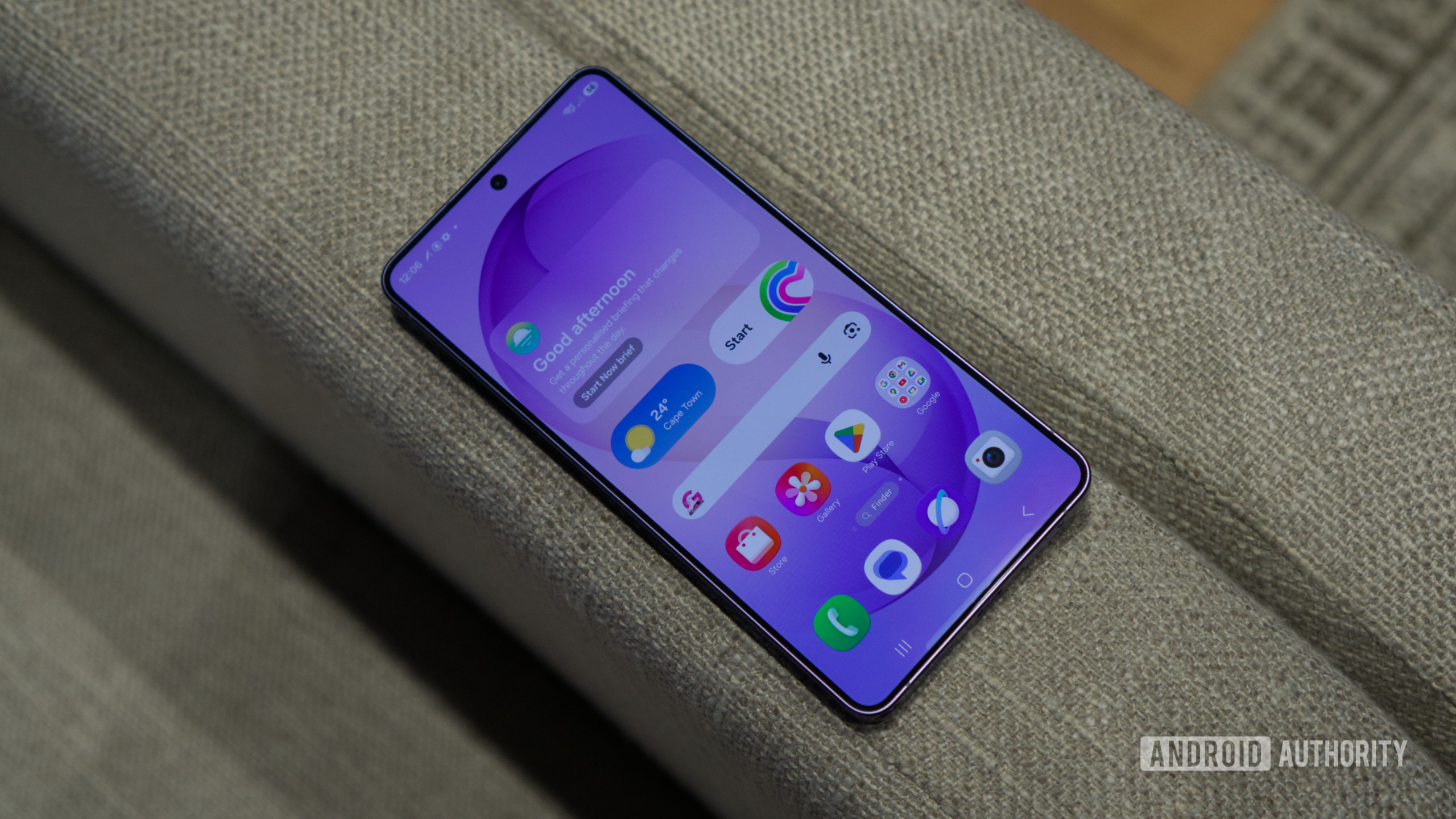
Samsung’s Galaxy S26 series is the company’s newest flagship lineup. Early pre-order and sales figures put the Galaxy S26 Ultra in a good spot to become one of the most popular Android phones if it holds momentum. Samsung did raise prices this year, with the Galaxy S26 starting at a cool $900 and the S26 Plus starting at $1,100. The Galaxy S26 Ultra didn’t see a price increase for the base variant, but it’s still pretty expensive, starting at $1,300. Surprisingly, for the price paid, Samsung is giving users a bloatware-heavy software experience on the Galaxy S26 series.
Don’t want to miss the best from Android Authority?


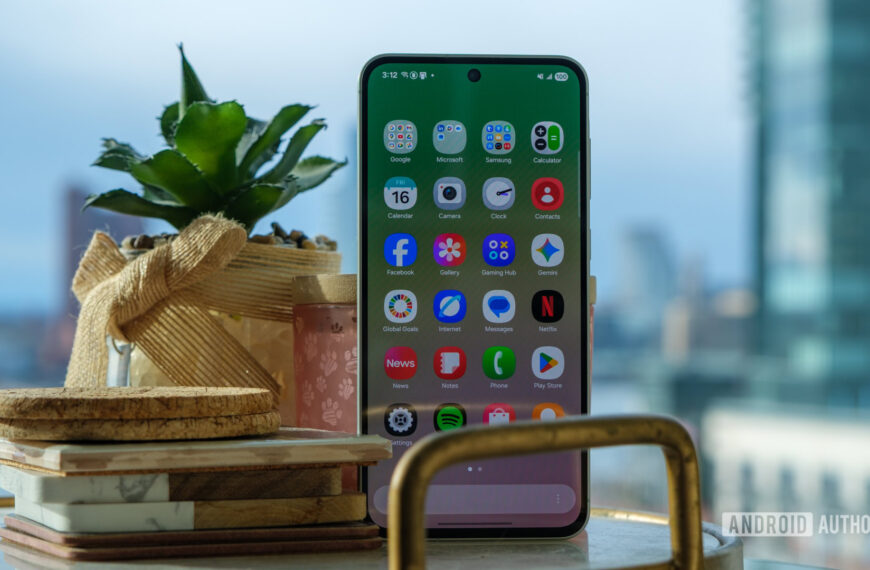
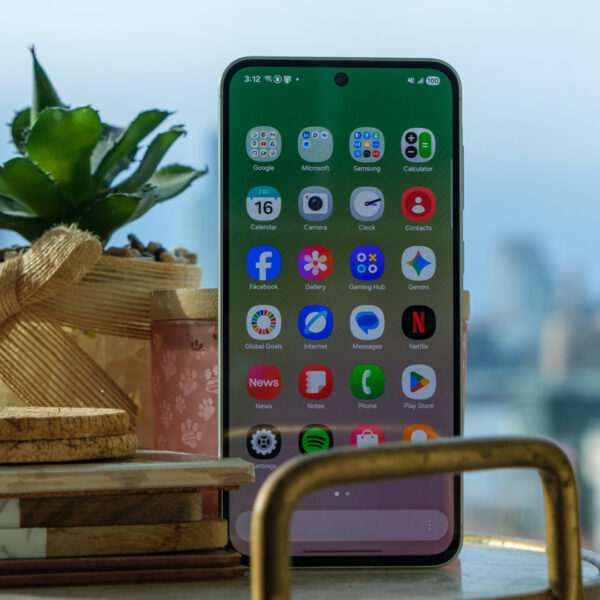
On my Galaxy S26 Ultra retail unit, I am seeing a significantly large number of third-party (non-Samsung) apps that are preinstalled. These include the usual Google apps (which must be preinstalled under the MADA (Mobile Application Distribution Agreement) to install the Play Store and Google Play Services), as well as apps from Microsoft, Meta, and Spotify.
Here are all the non-Samsung, non-Google apps that are preinstalled on my $1,500 Galaxy S26 Ultra (512GB):
- Meta:
- Microsoft apps:
- M365 Copilot
- OneDrive
- Outlook
- Link to Windows
- Spotify
To clarify, there are no screens to choose which of these apps to install on the phone — they are all preinstalled with no choice.
Adding to the clutter are a very large number of Google and Samsung apps. The Google apps are part of the MADA and unavoidable (though one can argue that Samsung has room to negotiate), but some of the Samsung apps, like Global Goals and Samsung TV, are fairly avoidable and could have been presented as optional apps post-setup.
Some of these apps also have significant overlap: two app stores (Play Store and Galaxy Store), two digital assistants (Gemini and Bixby; not counting Perplexity separately), two browsers (Samsung Browser and Chrome), two email apps (Gmail and Outlook), and two online storage apps (Drive and OneDrive).
With all preinstalled apps auto-updated, over 17GB of storage is already occupied. Counting in the system files, the Galaxy S26 Ultra is already using over 40GB of its 512GB storage, close to 8% of the storage on this higher-storage variant, before the user has installed any of their own apps or migrated their own photos, videos, and other data.
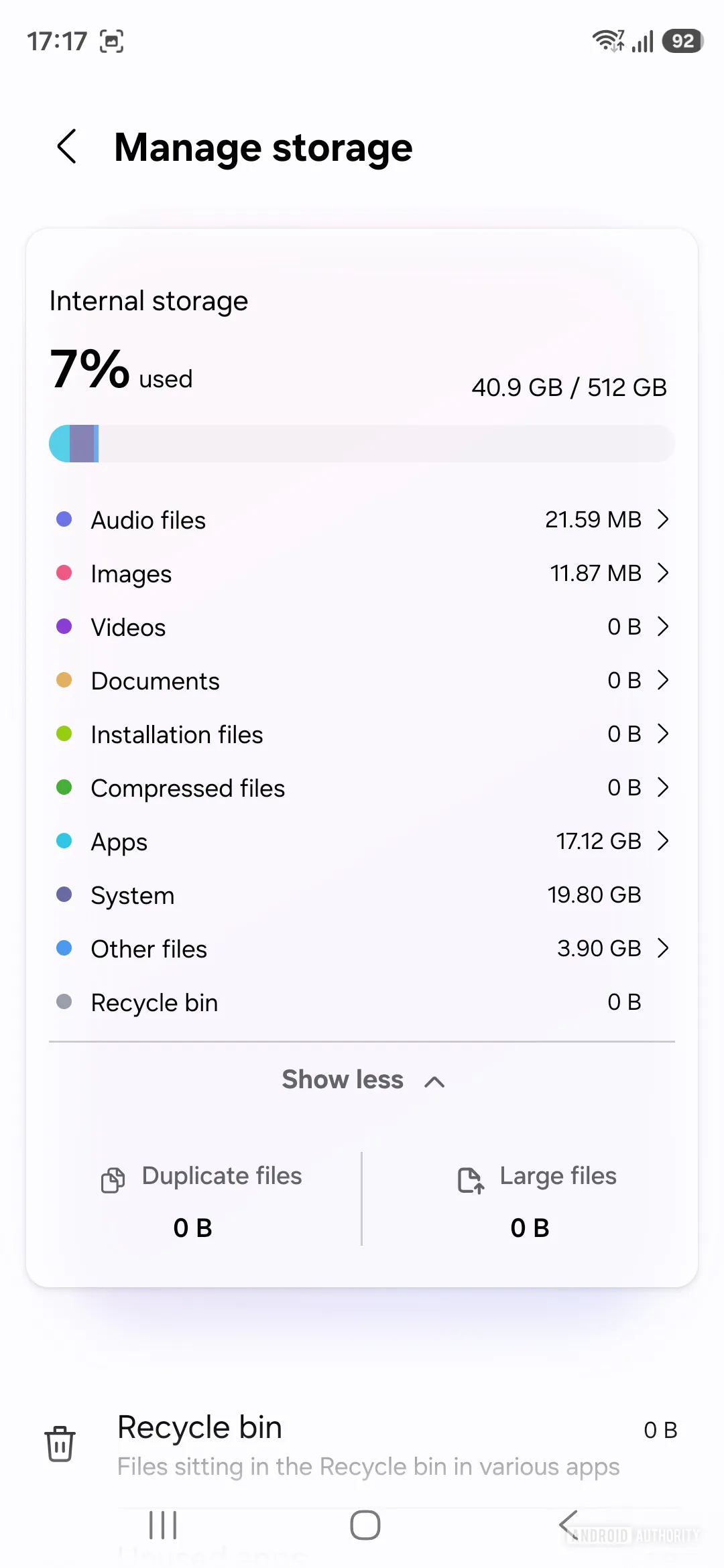
Aamir Siddiqui / Android Authority
To confirm, I’ve factory reset the Galaxy S26 Ultra and carefully set it up without restoring any of my own apps or data. I signed in to my Google and Samsung accounts and let the phone auto-update apps through the Play Store and Galaxy Store. Beyond this, I’ve not set up any other settings or installed any apps, so this represents the base phone experience with signed-in accounts.
Samsung isn’t done with bloatware, even on its Ultra flagship
Each preinstalled app represents a commercial agreement in place. Companies pay Android brands (or enter into reciprocal business agreements) to have their apps preinstalled on smartphones. We see this practice widely on budget and mid-range Android phones, where these preinstalled apps (bloatware) help lower the smartphone’s purchase price.
However, it’s sad to see so much bloatware on a phone that represents the top end of the Android market, for which people pay top dollar. Adding to the frustration is the fact that Samsung hasn’t changed much in terms of specifications over the years, so what exactly are users spending so much money on?
How do you feel about third-party pre-installed apps (bloatware) on Android flagships?
49 votes
Samsung fans will argue that these third-party apps can be easily uninstalled, and hence, this isn’t a big deal. Some would even argue that these are helpful apps that most users would install on their phones anyway, so preinstalling them saves users a step.
However, not all users will find all of these apps useful (I’m looking at you, M365 Copilot and LinkedIn). Most users will be migrating their apps from their older phone, so they already have their bouquet of apps selected and installed if the migration process goes well. These apps (some, most, or all) are just bloatware at the end of the day on phones that cost $900-$1,800, and that’s disappointing to say the least.
Thank you for being part of our community. Read our Comment Policy before posting.
 By
By