

Aamir Siddiqui / Android Authority
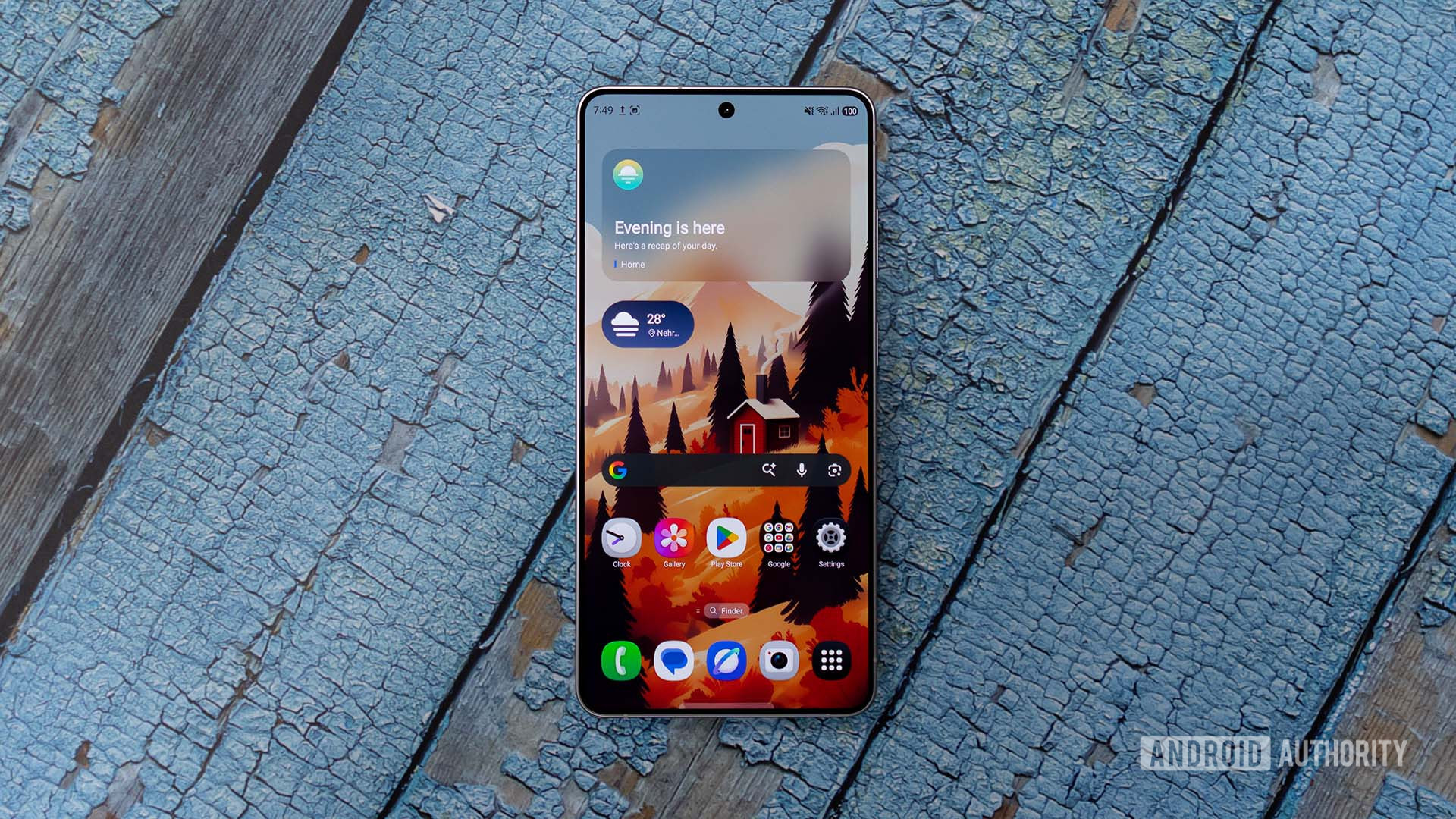
One of the biggest upgrades Samsung proudly touted when launching the Galaxy S26 Ultra was its display. Although the new and unique Privacy Display feature received our due regard, Samsung also stressed another upgrade, i.e., its switch to a 10-bit display from the 8-bit display on the Galaxy S25 Ultra. However, the claim fell flat just days after the Galaxy S26 Ultra’s official unveiling.
Don’t want to miss the best from Android Authority?


Shortly after the launch, it was revealed that Samsung had misled buyers about the 10-bit color depth and was actually using an 8-bit display, just like the Galaxy S25 Ultra. This obviously upset some prospective buyers because displays with 10-bit color spaces offer 1 billion shades, roughly 65 times as many as the 16.7 million on an 8-bit display. As a result, colors on a 10-bit display appear more vibrant, and transitions are much smoother, without banding.
In its defense, Samsung elaborated, stating that the 8-bit display has been enhanced to offer colors similar to those of a 10-bit display. This could be a bit unsettling for users who specifically pre-ordered the Galaxy S26 Ultra based on these claims. Thankfully, the clarification came shortly after the launch.
The 10-bit debate may be exaggerated
While you would definitely notice a difference when looking at the same image on the two devices side by side, you wouldn’t be able to confidently identify one if you looked at them separately. And that’s why we quizzed our readers about whether they truly care about a 10-bit color depth on their phones’ display, and the results were… intriguing, to say the least.
About 33% of our 7,000-plus readers who responded to the survey said they don’t care enough about 10-bit displays. Meanwhile, another 39% of the survey respondents said they cared only about a 10-bit display if it made a significant difference.
Many of our readers also conveyed their interest (or the lack thereof) in the 10-bit claim on our original report. Our reader Kuna Seelan elaborates it well,
The criticism around 10-bit panels feels overstated. Many manufacturers do include them, and for buyers who prioritize that feature, those devices are readily available…If 10-bit color depth were truly decisive for most buyers, market performance would likely reflect that. Yet sales trends consistently show Samsung’s Ultra models leading the Android segment, while many technically impressive alternatives remain niche. That suggests display bit-depth isn’t a primary driver for the broader audience.
The other superior alternatives they are referring to include OnePlus flagships, which have had 10-bit displays since the OnePlus 10 Pro. It’s clear that even if the display does not hold up to the standards of the purists, it does not disappoint the majority.
However, one aspect of the Galaxy S26 Ultra sparked mild outrage.
But most want new eye-care features from Samsung

Ryan Haines / Android Authority
An aspect that has largely been cared for by the Chinese phone makers but ignored by giants like Google and Samsung is the set of features that reduce eye strain. One of them is high PWM (Pulse Width Modulation), which is used to control brightness.
Modern AMOLED displays adjust brightness by turning off the display at very short intervals. For instance, a 50% brightness is achieved by keeping the display on for only half the time. This change occurs very frequently and cannot be immediately noticed by the naked eye.
But the display’s frequent turning on and off can cause eye fatigue, especially when it’s used at low brightness in dim environments. The effects can be reduced by switching to higher PWM frequencies, which Chinese brands such as HONOR and OnePlus have been effectively implementing.
And, so we asked our readers their thoughts about Samsung’s approach, and the majority demand improvements.
According to our survey, more than 70% users want better eye care features, which is a fair ask. Meanwhile, about 29% of the respondents said they cared about the flashy features. I personally demand both, but am certainly disappointed to see Samsung ignore the need for thousands of users.
I don’t personally suffer from PWM sensitivity and can deal with the Galaxy S26 Ultra’s low PWM frequency, but it’s time Samsung starts addressing these concerns.
Thank you for being part of our community. Read our Comment Policy before posting.
 By
By