

Robot vacuums have come a long way from the early days of bumping around rooms and hoping for the best. Modern models map homes and pack more suction power than ever before. But once you move beyond the showroom floor and into a real house full of rugs, thresholds, and the occasional tangle of cables, the challenge isn’t just cleaning performance — it’s making smart decisions about how to move through the space in the first place.
That’s the idea behind the Roborock Saros 20, the company’s 2026 intelligent flagship. Roborock is positioning this model around real-world smart judgment, shifting the flagship conversation beyond suction power and mapping speed to how AI integrates into the home. The goal is for the robot to do more than build a floor plan. It should be able to interpret the home, recognizing when to clean and to re-clean, when to avoid obstacles, and when to stay still.
Roborock has spent the past decade building a reputation around robotic cleaning hardware, and the Saros 20 reflects how that category is evolving. The device is designed to function more like a household cleaning system, one that understands the layout of a home and adapts its behavior as conditions change. In busy households with furniture-packed rooms and constantly shifting obstacles, that kind of awareness can make all the difference.
When a robot vacuum starts understanding your home

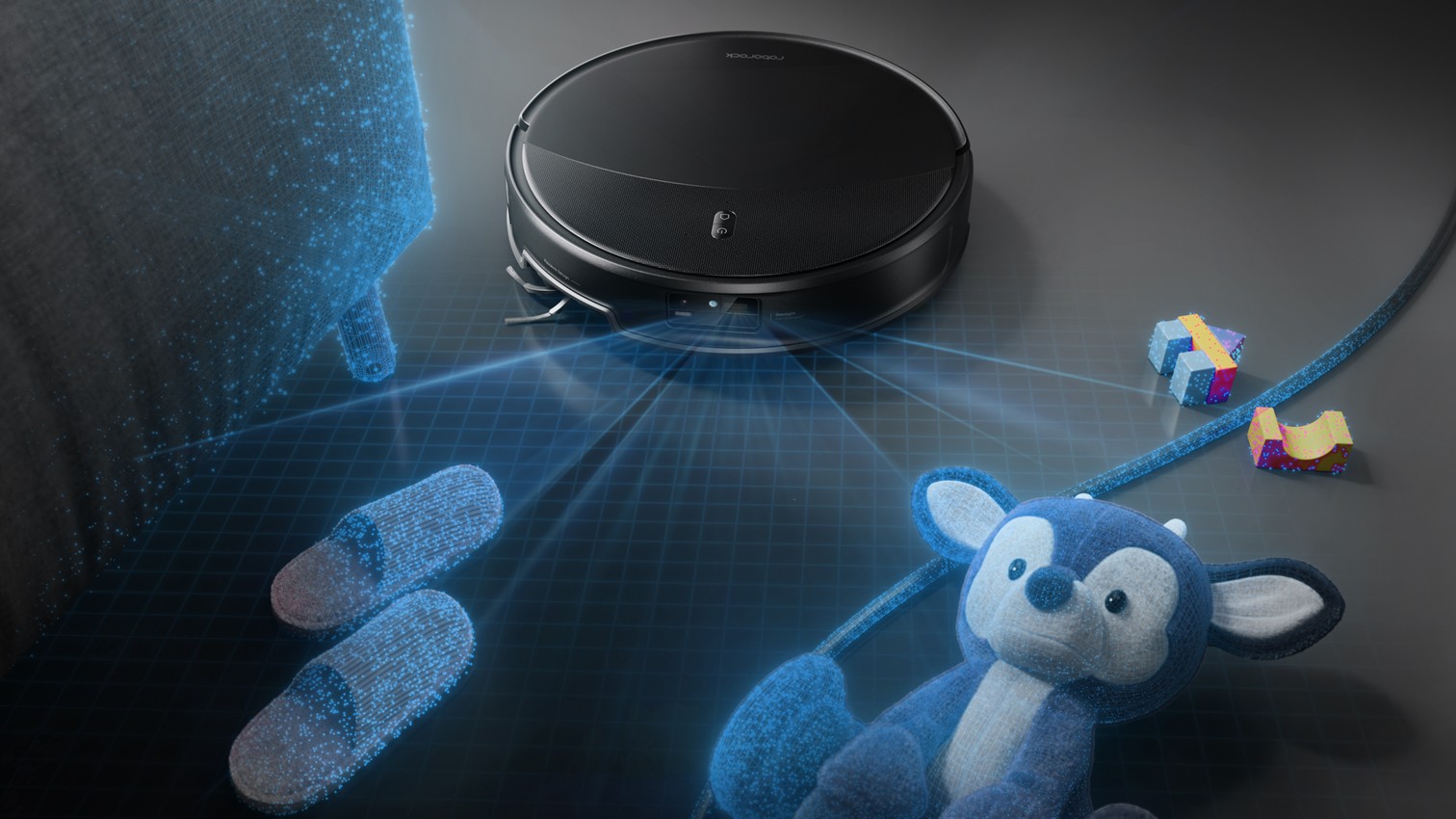
Powering the Saros 20 is Roborock’s StarSight Autonomous System 2.0, a navigation and sensing platform that provides the robot with a clearer understanding of its surroundings. The system uses a 3D Time-of-Flight vision setup with dual transmitters and solid-state sensing to scan rooms and build a detailed map.
Speed is part of the benefit, but awareness is the bigger focus. The system is designed to recognize and react to what appears during a cleaning run. The Saros 20 AI obstacle recognition can identify more than 300 types of objects, including items as small as a few centimeters in size. Everyday obstacles such as pet bowls, toys, or thin chair legs can all interrupt a cleaning session if a robot doesn’t recognize them in time. With more detailed environmental sensing, the Saros 20 can navigate these obstacles with precision.
A navigation and sensing platform that provides the robot with a clearer understanding of its surroundings.
Positioning accuracy also plays an important role. If a robot vacuum gets picked up mid-clean or starts a new session in a room with limited visual landmarks, it needs to quickly determine where it is and how to continue. The Roborock Saros 20 is designed to localize itself more precisely within a room, helping it recover orientation and resume cleaning without restarting the entire process.
Another key piece of the system is VertiBeam lateral obstacle avoidance, which uses vertical structured light to scan areas along the robot’s sides. These side zones are where robot vacuums often struggle, especially around uneven furniture edges or along walls. By monitoring those areas more closely, the Saros 20 can clean nearer to edges while reducing the chance of bumping into furniture.
Built for the way real homes are laid out

Understanding a home is one part of the challenge, but moving through it is another. Many houses in North America combine several flooring types in the same space. A cleaning run might start on hardwood, cross a rug in the living room, pass over a threshold into tile, and then reach carpeted bedrooms down the hall. Transitions like these are where robot vacuums often slow down or get stuck.
The Roborock Saros 20 is designed with those layouts in mind. Roborock equips the robot with its AdaptiLift Chassis 3.0, a system that allows the vacuum to adjust its height and navigate common household obstacles more easily. The chassis can lift and adapt to help the robot cross thresholds and multi-surface transitions that might stop simpler designs. The system can handle single thresholds up to 4.5cm and double-layer transitions up to 4.3cm, helping the robot move from room to room without constant supervision.
Carpet also tends to complicate robotic cleaning. A thick rug can reduce suction performance, while a mix of carpet and hard flooring requires the robot to adjust how it cleans along the way. Roborock addresses this with its Carpet Intelligence System, which works alongside the robot’s sensors to recognize flooring changes and adjust its cleaning behavior during a run. That awareness helps the Saros 20 maintain consistent cleaning performance across different surfaces.
The Carpet Intelligence System works alongside the robot’s sensors to recognize flooring changes and adjust its cleaning behavior.
Naturally, cleaning power isn’t an afterthought. The Saros 20 is powered by a 36,000Pa HyperForce digital motor, delivering strong suction intended to lift dust and debris from both hard floors and carpets. The robot also uses a dual anti-tangle brush system that combines Roborock’s DuoDivide main brush with a FlexiArm side brush designed to manage long hair and pet fur more effectively. For households with pets, this kind of design can help reduce the need for manual maintenance.
On the hard floor side, the Saros 20 includes dual spinning mops that apply pressure to the surface as they rotate, helping remove stains and sticky residue. During operation, the robot can lift or adjust its cleaning components as needed, helping it transition between vacuuming and mopping throughout the home.
Behind the scenes, Roborock also focuses on reducing the amount of day-to-day maintenance required. The Saros 20 works with a redesigned RockDock station that serves as an automated maintenance station for several routine cleaning tasks. The dock can empty the robot’s dustbin, wash the mops using hot water, dry them with heated air, and dispense detergent when needed. Dirt detection in the dock helps determine whether the mops require an additional wash cycle, allowing the robot to start its next cleaning run in a fresh state.
A smarter approach to everyday cleaning

The broader idea behind the Roborock Saros 20 is that robotic cleaning should feel less like operating a gadget and more like maintaining a routine household system. Roborock’s SmartPlan 3.0 software adds an AI layer that coordinates the robot’s cleaning across different rooms and surfaces.
The system can recognize room types, learn cleaning habits over time, and adjust factors such as suction power, mop washing, and cleaning schedules accordingly. A kitchen floor might require a more frequent mopping routine than other hard floors, while carpeted bedrooms will prioritize vacuuming performance. These adjustments happen automatically through the Roborock app, allowing the robot to adapt to the home’s layout and daily activities.
Combined with the Saros 20’s navigation and mobility systems, that software layer helps bring together the broader concept behind Roborock’s flagship design. The robot doesn’t simply map a house and repeat the same route each time. It works with a clearer understanding of the environment around it, enabling a more considered approach to cleaning.
The Roborock Saros 20 is available with a retail price of $1,599.99, and an open-sale discount will run from March 23 through March 29, bringing the price down to $1,389.99 (over $200 off). For households looking to upgrade their robotic cleaning setup, it represents Roborock’s latest step toward a smarter, more adaptable approach to keeping floors clean.
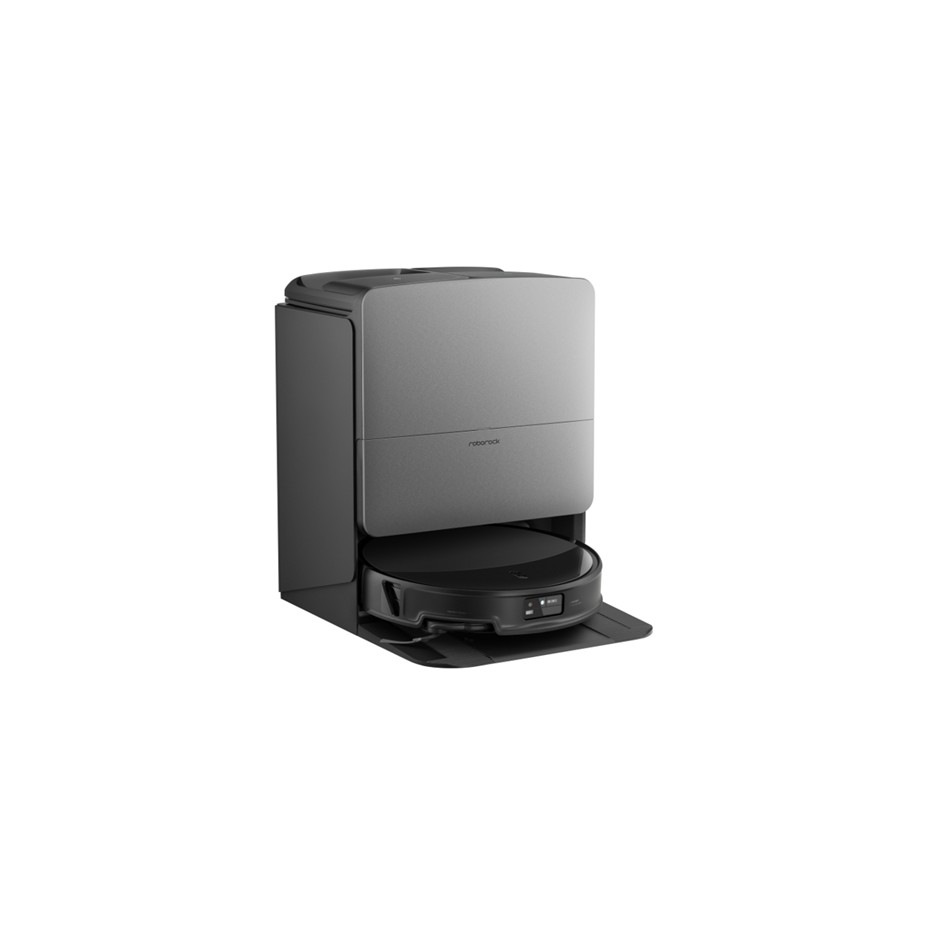
Roborock Saros 20
StarSight navigation • AdaptiLift chassis • Carpet intelligence
Smarter cleaning for complex homes.
The company’s flagship robot vacuum is designed for complex homes with mixed flooring and cluttered layouts. It uses the StarSight Autonomous System 2.0 for precise navigation, AdaptiLift Chassis 3.0 to cross thresholds, and a 36,000Pa HyperForce motor for strong suction.

 By
By