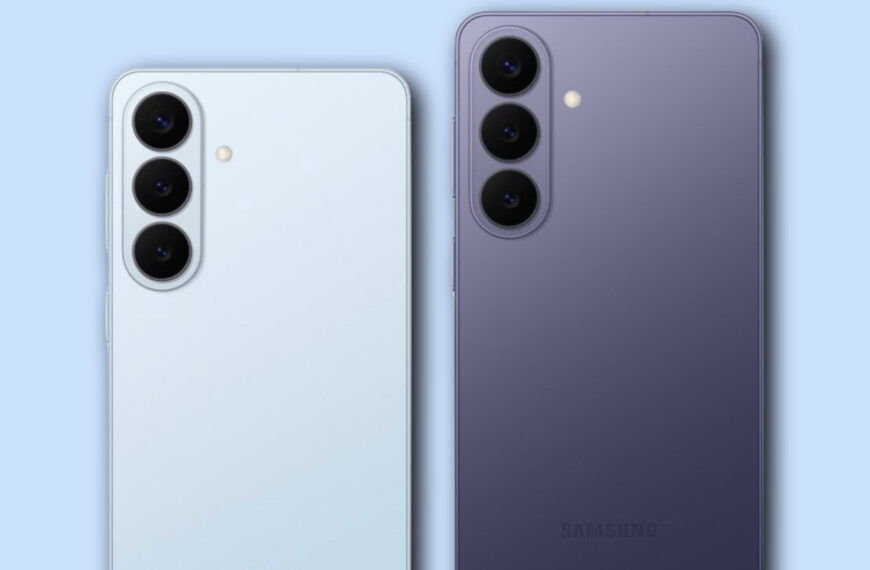


Samsung is regularly panned by critics for its lack of ingenuity in the smartphone market. The company is resistant to adopting newer battery technology like its Chinese counterparts; it has not deviated much in physical design across its flagships over several generations; and don’t even get me started about their cameras. But what is the reason for this reluctance to introduce big upgrades and innovations?
We have our own theories, but ahead of the Galaxy S26 series launch, we ran a survey asking users what they believe is holding the Korean giant back. I discuss the results below.
This poll saw more than 2,000 votes, but nearly two-thirds of the total ballots were placed in just two boxes. Just under 36% of readers believe that Samsung’s “profit margin concerns” keep its flagships from seeing major innovation. This certainly seems a likely candidate — companies are always watching their bottom line. Even if Samsung is the Android leader, it certainly wouldn’t want to make big changes unless it massively boosted sales.
Notably, 28.1% of voters believe “a lack of competition” plays a role in Samsung’s nonchalance. In years prior, the likes of HUAWEI provided stiff competition for the company across the market. In 2026, there are certainly noticeable gaps. Samsung thrives in the budget, mid-range, and flagship spheres, a claim that few other Android companies can make.
The remaining four options saw far fewer votes. “Production challenges” (12.6%) and “reliability and safety concerns” (17.3%) were the next two popular answers. Readers may still believe that Samsung’s prior battery troubles dissuade it from adopting more exciting technologies, such as silicon-carbon batteries. Lastly, “internal obligations” were earmarked by 3.6% of voting readers.
Will Samsung’s decisions come back to haunt it? Well, if you go by reader stolerikoo, that answer is “Yes!”
In the end, Samsung will pay the price for this. I’ve stopped upgrading annually, and I’m sure I’m not alone. The updates are simply too minor to be worth it. I would have switched to a premium Chinese brand by now if it were available where I live.
Commenter Frank v. makes a pretty intriguing point, and suggests Samsung wins the perception game:
Many of the Chinese brands are available in the markets Samsung sells in (except [North America – ed]) and yet they continue to dominate the market. Clearly regular consumers, who make up probably 95% of the phone market, like what they offer. I would buy a Vivo, or Xiaomi flagship before a S25 series, but I prefer Pixels.
To an extent, Samsung has earned the right to be complacent. It has clawed its way to the top of the Android tree, and given that consumers still purchase its products daily despite its conservative upgrade approach, it’s clearly doing something right. That said, I do agree that Samsung shouldn’t rest on its laurels. The smartphone industry moves quickly, and today’s big player often becomes yesterday’s news.
 By
By