
It was after another round of interminable wait that I understood the biggest issue with cloud gaming. You see, I gave Xbox Cloud Gaming a try after it launched in India at the end of last year, and I was excited at the possibility of playing any game at any time — on any device.
So I grabbed my iPad Pro M4, connected a controller, and launched Xbox Cloud Gaming only to realize there was a 10-minute queue just to launch a game. It was frustrating to say the least, but I thought it was because I just got started with the service. I was wrong. If anything, that 10-minute wait was the shortest queuing time I’ve seen in the half-dozen times I tried out Xbox Cloud Gaming in the last two months, and more often than not, I had to wait 30 minutes or more just to start playing the game I wanted, defeating the point of instantaneous access.
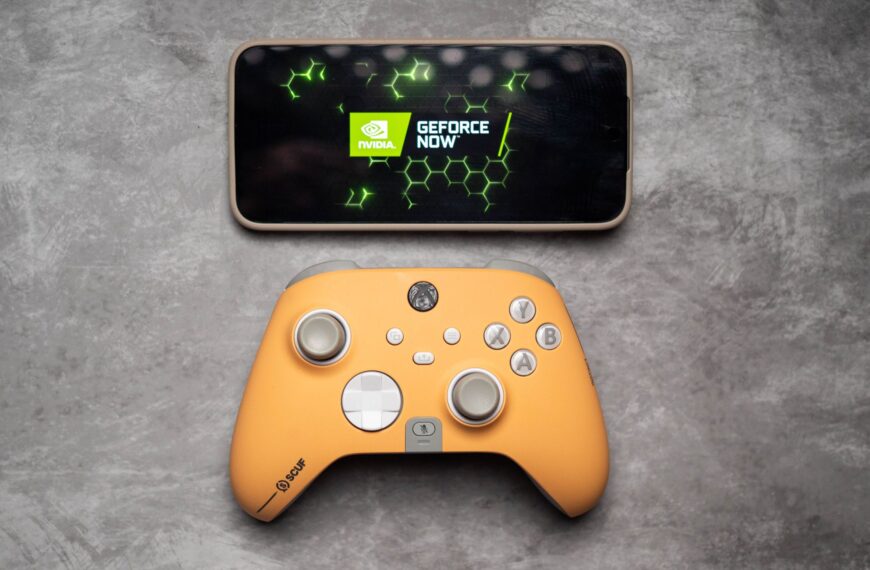
Thankfully, NVIDIA’s GeForce Now shows much better promise. I beta-tested the service ahead of its launch in 2019, and used it intermittently over the last six years — mostly when I was traveling to a country where it was available. With NVIDIA finally bringing GeForce Now to India, I don’t have to deal with a VPN or wait until I travel to use the service, and that in itself is a big deal.
Article continues below
GeForce Now is what cloud gaming is meant to be

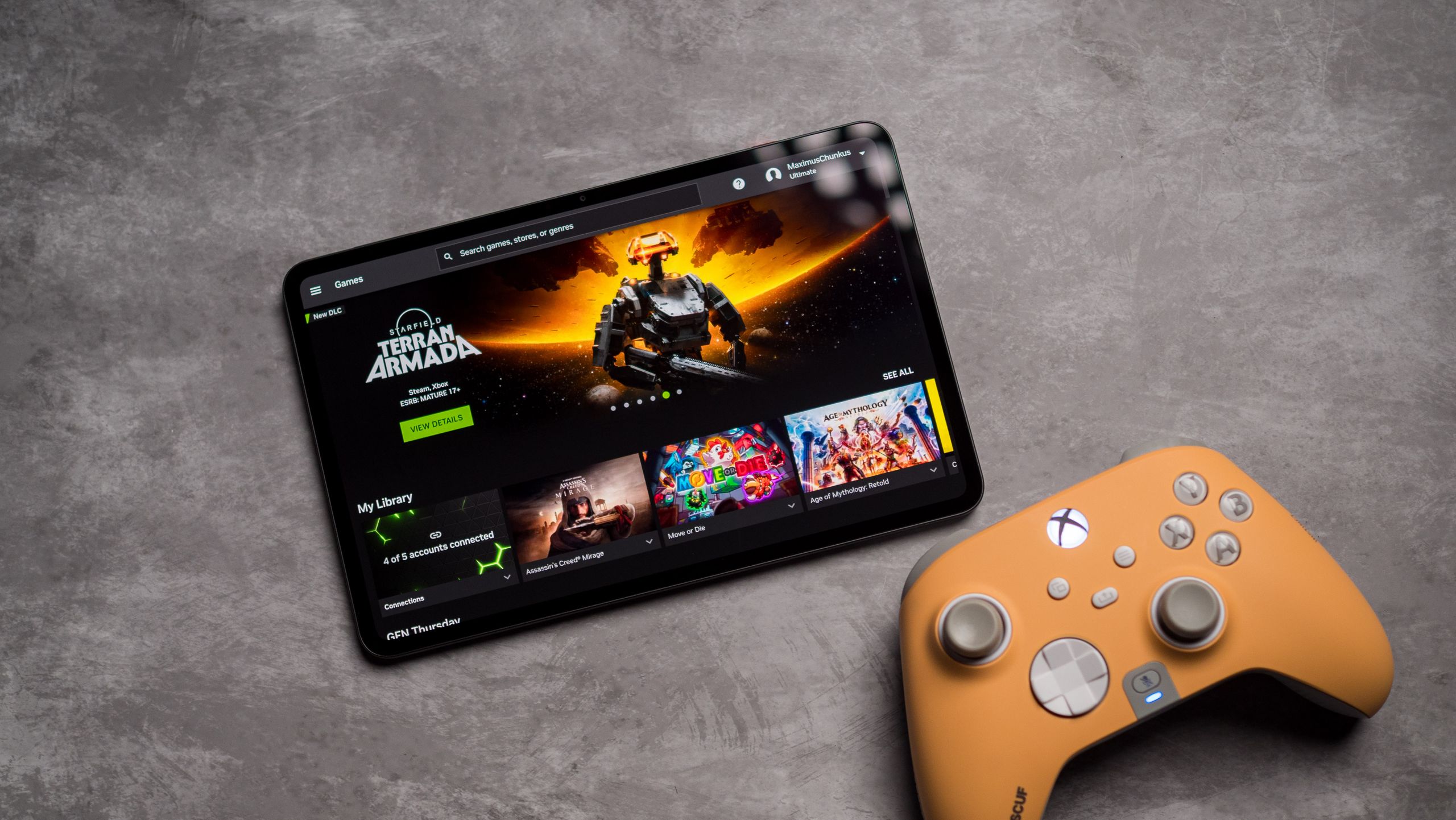
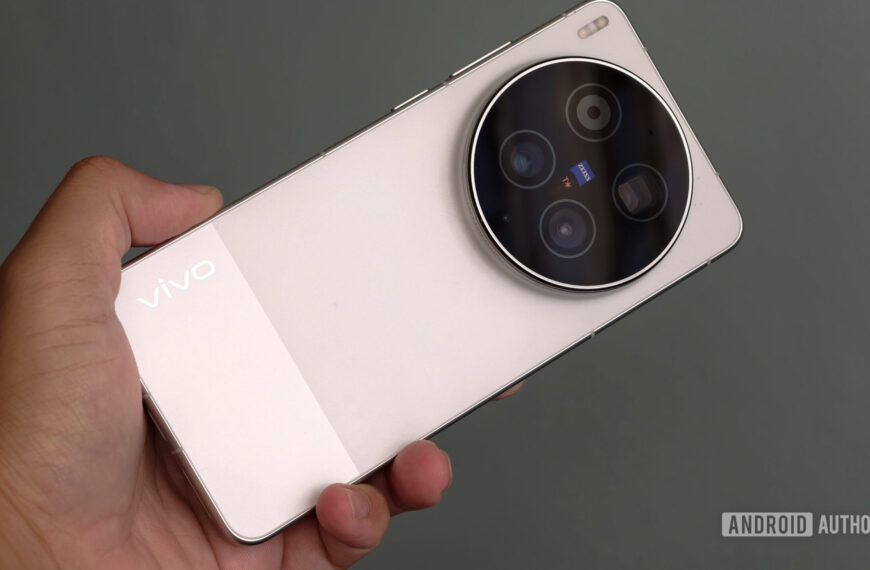
NVIDIA gave a select group of journalists access to GeForce Now’s Ultimate tier ahead of its launch, and I tested the service on my Android phones, including the Vivo X300 Pro, Vivo X300 Ultra, and Pixel 10 Pro XL, alongside the Shield TV Pro, and the Redmagic Astra gaming tablet. After nearly a dozen hours of gaming on as many devices, I can say with some confidence that GeForce Now is the best implementation of cloud gaming yet. The service just works; you don’t need to mess with any configuration tweaks, or worry about latency or any other requirements — just grab a controller, and you can start playing your favorite game.
What I also like about GeForce Now is that it lets you play games you already own, unlike Xbox Game Pass, which has a rotating library of titles. With GeForce Now, you’re basically renting out a gaming rig that sits in a data center, and you utilize your own game libraries and titles.

I was able to easily link my Steam, Ubisoft, Xbox, Epic Games, and GOG accounts, and had over 300 games eligible to play on the service. On that note, GeForce Now has over 4,500 eligible titles in its library, so if you’re looking at the latest mainstream release like Crimson Desert or a classic like The Witcher, you’ll easily be able to play your desired game on the platform.
Starting a game is as easy as confirming you own it, which is done by linking to the digital storefront where you bought the title. Once that’s done, you just launch the game and play as you would locally. What was particularly noticeable is that the visual quality was on par to running the game natively on my gaming rig (which has an RTX 4090), and that’s because NVIDIA uses RTX 5080-powered servers in India — at least on the Ultimate tier.
The visual quality is just as good as playing locally

With the Ultimate tier, NVIDIA guarantees 4K at 120fps and sub-30 millisecond latency when playing 5v5 titles at 1440p resolution (going up to 240fps), or 1080p at 360fps. NVIDIA also touts something called Cinematic Quality Streaming, which boosts the overall quality of the rendered video, delivering HDR visuals and standout color accuracy.
In fact, even with extended gaming sessions, I didn’t see any noticeable latency or stutter, there wasn’t any queue or waiting time before a game loaded, nor any noticeable decrease in fidelity. That alone makes GeForce Now better than Xbox Cloud Gaming, where I saw intermittent jitter and latency. Of course, there’s the fact that I’m essentially beta testing GeForce Now; it hasn’t debuted publicly in India, so the servers aren’t under any meaningful load. The real test for GeForce Now would be after a few months of availability, and that’s when I’ll put the cloud gaming platform through its paces.
That said, I don’t envisage any problems with lengthy queues or issues with latency. While GeForce Now is making its Indian debut, the service has been around for well over half a decade now, and there are no issues using it in other countries.
GeForce Now isn’t as bandwidth-intensive as I thought

When it comes to bandwidth, NVIDIA suggests 65Mbps to get the most out of 4K and 5K resolutions, and 55Mbps in most other situations. The minimum is 15Mbps, which should be easily achievable even on mobile data. Latency is another factor, with a minimum sub-80 millisecond needed. When connected to the GeForce Now India server, I got a latency of 19 milliseconds, which is ideal. The server is located in Mumbai, and I didn’t see any issues with latency when connecting from my home in Hyderabad.
GeForce Now has a built-in tool that lets you see your real-time bandwidth and latency in relation to the closest server, and the best part is that you can tailor the streaming quality based on your bandwidth. While the Cinematic mode uses 100Mbps at its maximum, there’s a Balanced or Data Saver mode that just needs 12Mbps, while lowering the resolution to 1280p.
On the whole, the platform tweaks the visuals on the fly on other devices based on your bandwidth, but you get granular control if you’re interested in maximizing what the service has to offer. On my phones and tablets, it was set to Balanced, but switching over to Custom allowed me to get better image quality, going up to QHD.
It doesn’t cost as much as Xbox Game Pass — for now

NVIDIA is clearly being aggressive in India (at least at launch), and GeForce Now starts out at ₹999 ($11) for three months of the Performance plan and ₹1,999 ($21) for 90 days of the Ultimate tier. That’s an incredible value when you consider the Ultimate plan costs $20 a month in the U.S., so you’re basically paying a third of the cost in India. To put that into context, Xbox Game Pass Ultimate costs ₹1,389 ($15) a month, so regardless of how you see it, GeForce Now is a downright steal in India at launch — and this is because the service is ostensibly in beta.
Look, I get it if you’re not sold on the idea of cloud gaming. As someone who’s had a dedicated gaming machine for close to 20 years now, the idea of playing my game library from anywhere is new to me. More than anything else, cloud gaming makes it easier than ever to play the games I want on any device I have on hand.
It’s that convenience that makes cloud gaming enticing, and if you’re just getting started as a gamer and don’t want to invest in a gaming machine right now — which is understandable with the state of RAM pricing — GeForce Now is the ideal alternative. And having used the service in India, there’s no question that NVIDIA’s option is the way to go if you want to get started with cloud gaming in the country.
 By
By