

Joe Maring / Android Authority
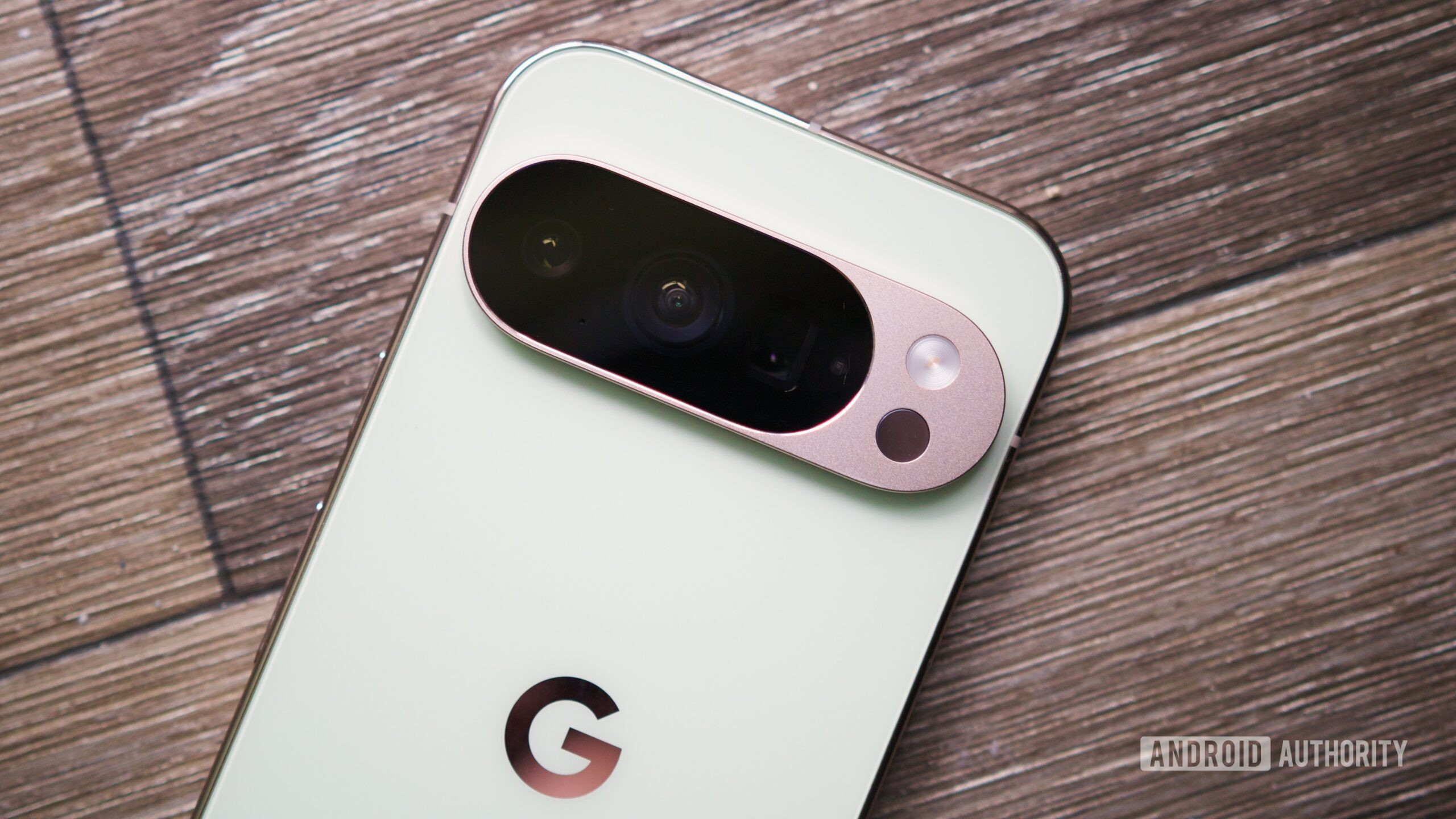
Spec wars have long defined the mobile industry: The fastest processor, most RAM, and the highest-resolution screen were once the formula for a flagship phone. But as hardware improvements slowed and software optimization took center stage, a new approach, one pioneered by Apple and now embraced by Google’s Pixel line, emerged.
Thousands of mobile users weighed in, and the results show a clear winner.
Don’t want to miss the best from Android Authority?


The results: Fluidity is king
Nearly 3,397 voters, or 71.3%, said that as long as a device is fluid and meets their needs, benchmarks don’t matter. In contrast, just 16.6% of readers held the line for hardware, maintaining that top-tier specs are the only way to truly future-proof a device. For these users, high-end internals remain the essential foundation of any great experience.
Surprisingly, only 12.1% said price is their sole concern, suggesting that our readers prioritize quality over the cheapest option.
For a long time, spec-heads defined the Android community. They dismissed phones without the latest Snapdragon 8-series chip.

Brady Snyder / Android Authority
Our readers agree that what actually impacts their lives is fluidity, things like consistency with smooth animations and navigation without stutter. What’s also important are intuitive features like Call Screen or smart notification management that provide utility beyond just opening an app faster. Reliability is also critical: Users like it when long-lasting battery life is achieved through smart software management rather than just a massive, heavy battery cell.
As I see these results, this reflects a maturing market where users have now realized that phones scoring 2 million on AnTuTu don’t necessarily make their Instagram scrolling any smoother or their photos any better.
Of course, the 16.6% who voted for specs aren’t wrong. Hardware has a floor. You can’t optimize your way out of a poor-quality display or a weak modem. Power users, especially mobile gamers or heavy video editors, rely on raw specs for the thermal headroom and longevity that software alone can’t provide.
Reader umbra.codex emphasizes software isn’t the only factor, however. It’s a group effort with hardware too.
In terms of experience when it comes to phones, its about the software and the hardware so this is really an apples to oranges comparison.
If you plan to keep a phone for seven years (as Google and Samsung now promise), starting with top-tier hardware remains a valid way to future-proof your investment.

Dhruv Bhutani / Android Authority
This poll makes it clear: Strategies emphasizing user-facing features and a polished UI over raw horsepower are what the majority of the market wants now. It’s not about spreadsheet speed, but about being pleasant in the hand.
But some readers, such as janodes, don’t necessarily confuse slick marketing with useful features.
Apple’s marketing, starting with saint Steve has been brilliant, and I guess creating a cult is good business, but I’m very happy my Pixel 10 pro and latest “flip” Chromebook. So don’t hold a place in line for me when the “Neo” drops.
Do these results surprise you? Are you part of the 16% that still look at the spec sheet before the features list? Let us know your thoughts in the comments below! The survey is still live, so you can certainly have your voice heard that way, too.
Thank you for being part of our community. Read our Comment Policy before posting.
 By
By