

Taylor Kerns / Android Authority
TL;DR
- Colorado legislators have introduced a bill that would require operating system providers to verify the age of users instead of leaving the task up to individual apps.
- If you attempt to download an app with age-restricted content, this digital age signal would be sent to the app to determine if you’re allowed to access it.
- If the bill passes, it would take effect on January 1, 2028.
To protect minors from the dangers of social media and to prevent them from accessing adult content, a growing number of US states have been exploring age verification. A few months ago, California passed AB-1043, also known as the Digital Age Assurance Act, which will go into effect in 2027. Now Colorado is pushing a similar bill that will lead to device-level age restrictions.
Don’t want to miss the best from Android Authority?


Colorado state legislators Senator Matt Ball and Representative Amy Paschal have introduced a new bill, Age Attestation on Computing Devices (SB26-051), to the Colorado Senate. The proposal takes a cue from California’s bill, requiring operating system (OS) providers such as Microsoft, Google, and Apple to verify the age of a user at device setup. This would take the onus of age verification off of individual apps and place it on the OS.
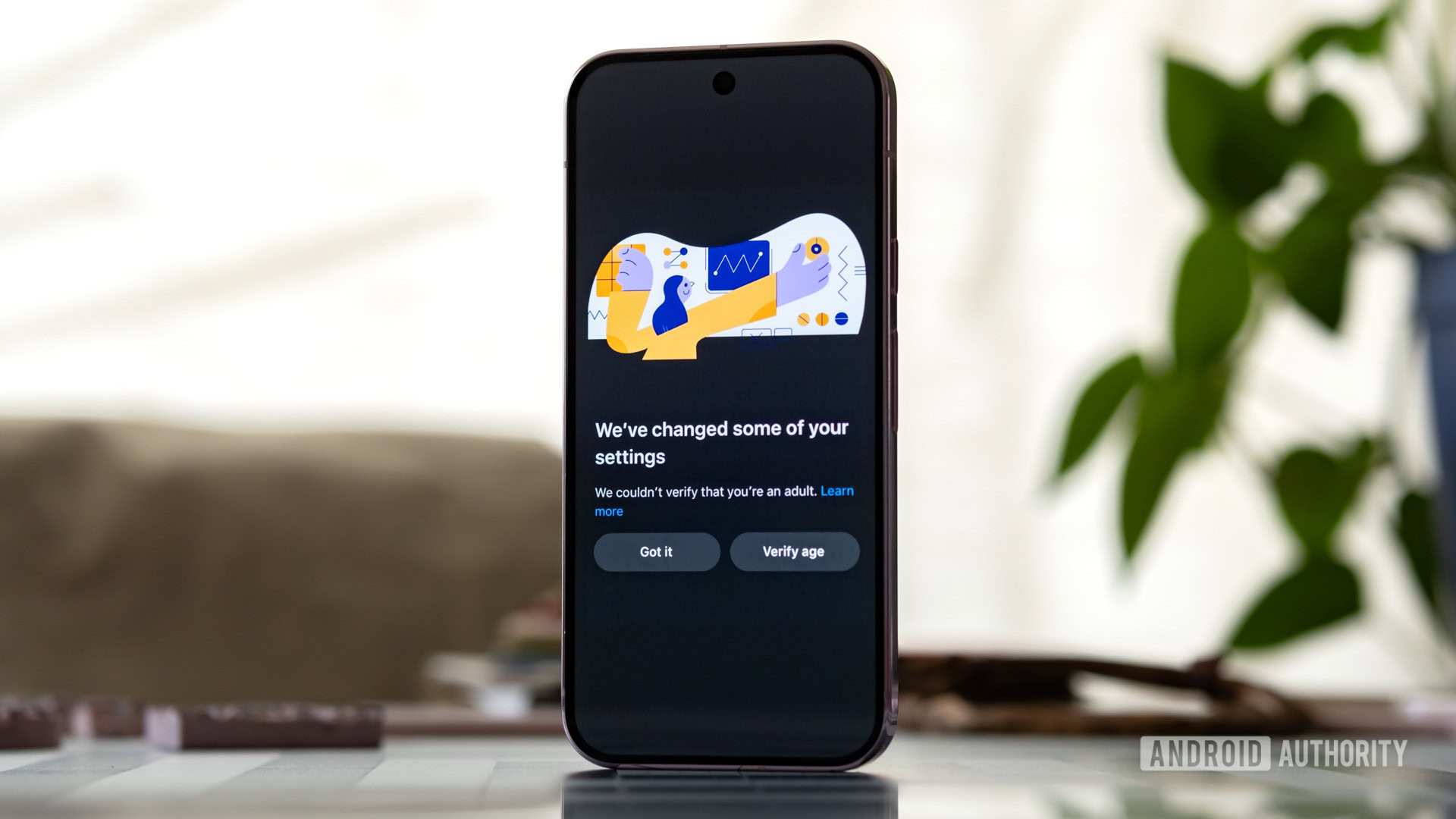
In practice, you would be required to verify your age when setting up a new device. This would create a digital age signal that apps can use to determine if you’re allowed to access it. Specifically, the OS would not hand over your exact birthdate, but would instead put you into one of four categories: under 13, 13 to under 16, 16 to under 18, and 18 and above. The bill also states that the OS provider can share “only the minimum amount of information necessary to comply with the bill” and that the provider “shall not share an age signal with a third party for a purpose not required by the bill.”
There seem to be a few flaws with the bill. For example, Colorado’s bill is limited to apps, which leaves websites in the clear. This is likely due to how complicated it would be to implement these higher restrictions on browsers. As a result, children would still have a workaround to reach adult content. The bill also does not appear to specify how an age would be determined, just that account holders must indicate date of birth or age of the user. Which means the account holder could simply lie.
If the bill passes, it would go into effect on January 1, 2028. However, the bill’s fate could wind up in the hands of Colorado voters in November if a referendum petition is filed against the bill within 90 days of the General Assembly adjourning.
Thank you for being part of our community. Read our Comment Policy before posting.

 By
By