

Minimal upgrades incoming
The Galaxy Z Fold 8 is expected to focus more on incremental upgrades rather than a full redesign. Leaks suggest a similar overall design with a newer chipset, but it could bring a larger 5,000mAh battery with faster charging. There are also reports of a couple of camera hardware upgrades.
Pros
- Rumored to feature a larger 5,000mAh battery
- Rumored to support faster 45W charging
- Expected to come with a less visible crease
- Will likely feature a faster chipset compared to Tensor G5
Cons
- Expected to retain a similar design to the Galaxy Z Fold 7
- May still miss out on full IP68 dust and water resistance like the Pixel 10 Pro Fold
- S Pen support remains unclear

Best Pixel foldable
The Pixel 10 Pro Fold is Google’s most refined foldable yet. It brings an IP68 rating, a redesigned hinge, slimmer bezels, and a faster Tensor G5 chip. It also supports PixelSnap Qi2 for magnetic wireless charging and, of course, comes packed with Google’s AI features and Pixel-exclusive tools.
Pros
- IP68-certified against dust and water ingress
- Built-in magnets and support for Qi2 wireless charging
- Upgraded Tensor G5 chipset with custom ISP
- Clean software experience with day-one updates
Cons
- Slower wired charging speeds (30W)
- Thicker, heavier, and bulkier design
- Pricey in many regions
Even though the Galaxy Z Fold 8 isn’t official yet, we already have enough leaks and early details to paint a picture of how it might stack up. So here’s a speculative look at how Samsung’s next foldable could compare to the Pixel 10 Pro Fold and what you can expect when it finally launches.
Article continues below
Samsung Galaxy Z Fold 8 vs. Pixel 10 Pro Fold: Pricing and availability
Samsung usually introduces its new foldable smartphones in the summer, and this year, as well, the company is rumored to launch the Galaxy Z Fold 8 in July. According to a recent leak, Samsung is planning an event in London on July 22, 2026, where it could unveil the Galaxy Z Fold 8, the Galaxy Z Flip 8, and a new Galaxy Wide Fold.
Samsung typically hosts its Unpacked events in South Korea or the U.S., but this time it looks like London might be the venue. As for pricing, there aren’t any solid rumors yet, but if the Galaxy Z Fold 7 is anything to go by, the Fold 8 could start at around $1,999 for the base 256GB model.
That said, it wouldn’t be surprising to see a price increase this year. Samsung has already raised prices on some of its recent devices, and with rising component and memory costs, foldables could get even more expensive.
On the other hand, the Pixel 10 Pro Fold was announced alongside the Pixel 10 series on August 20, 2025, and later released on October 9, 2025. It starts at $1,799 for the 256GB model and is also available in 512GB and 1TB variants at higher prices.
In terms of colors, the Pixel 10 Pro Fold is available in Moonstone and Jade. And if pricing is a key factor, Google has been running promotions that bring the effective price down to around $1,499, making it an even more compelling option compared to Samsung’s upcoming foldable, at least for now.
Samsung Galaxy Z Fold 8 vs. Pixel 10 Pro Fold: Design and display

Samsung made some big changes to the Galaxy Z Fold design with the Galaxy Z Fold 7, but it looks like the company will keep minimal upgrades for the Galaxy Z Fold 8. A report from Android Headlines, in collaboration with OnLeaks, gave us an early look at the device back in March 2026 through CAD-based renders.
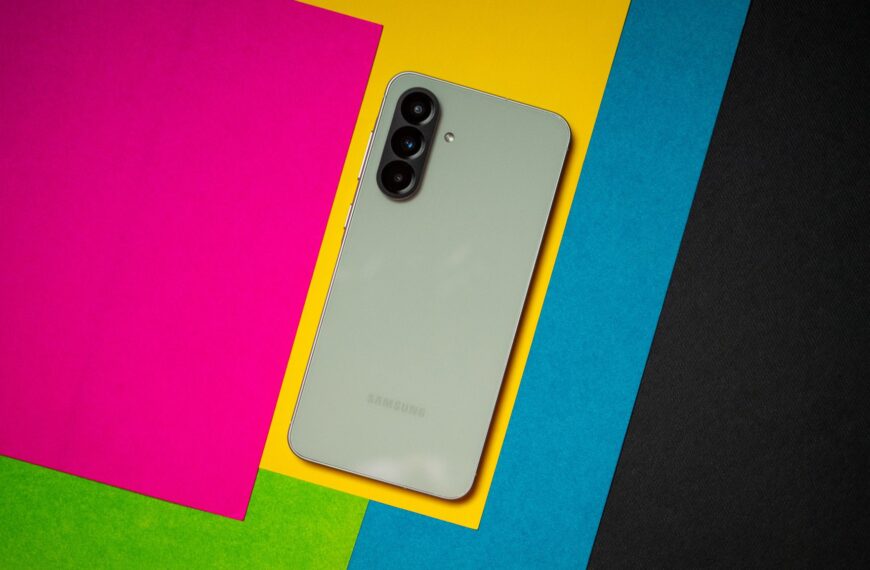
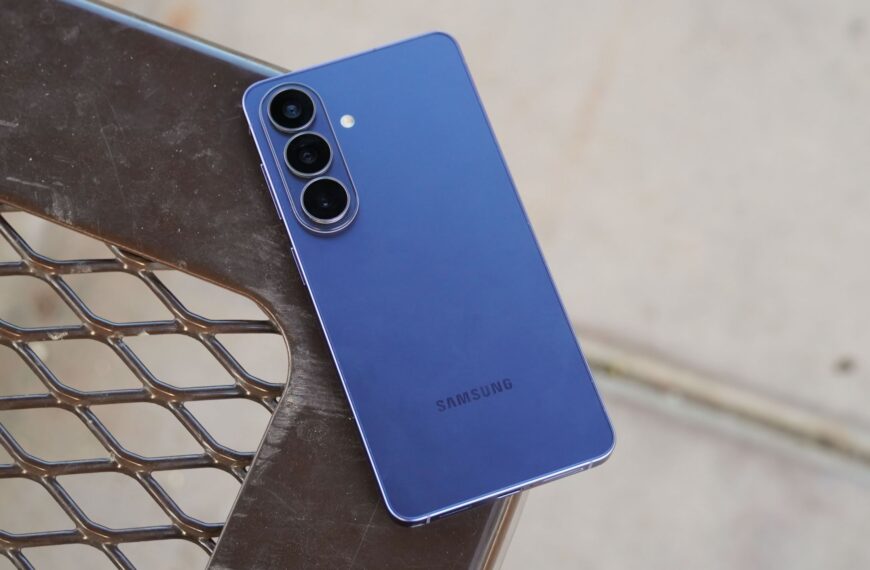
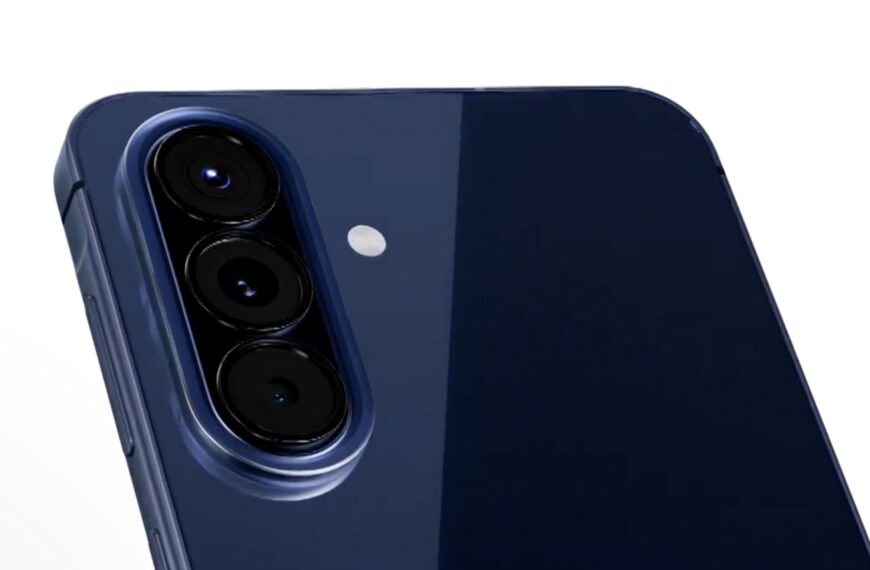
It seems Samsung will stick with a familiar design this year. You’ll likely get a triple-camera setup on the back, arranged vertically in a pill-shaped module, along with a clean back and squared edges. On the front, the cover display is expected to be slightly wider, while the inner display could retain a more square aspect ratio when unfolded, similar to the Galaxy Z Fold 7.
Even in terms of dimensions, the Galaxy Z Fold 8 is expected to be very close to its predecessor. In fact, some reports suggest it could be slightly thicker than the Fold 7, though there may be a good reason for that, which we’ll get to in a bit.

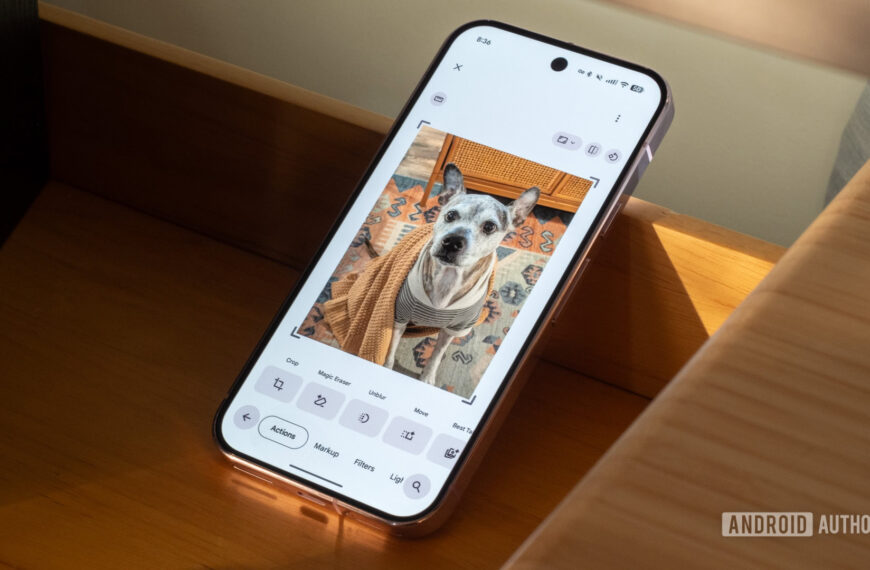
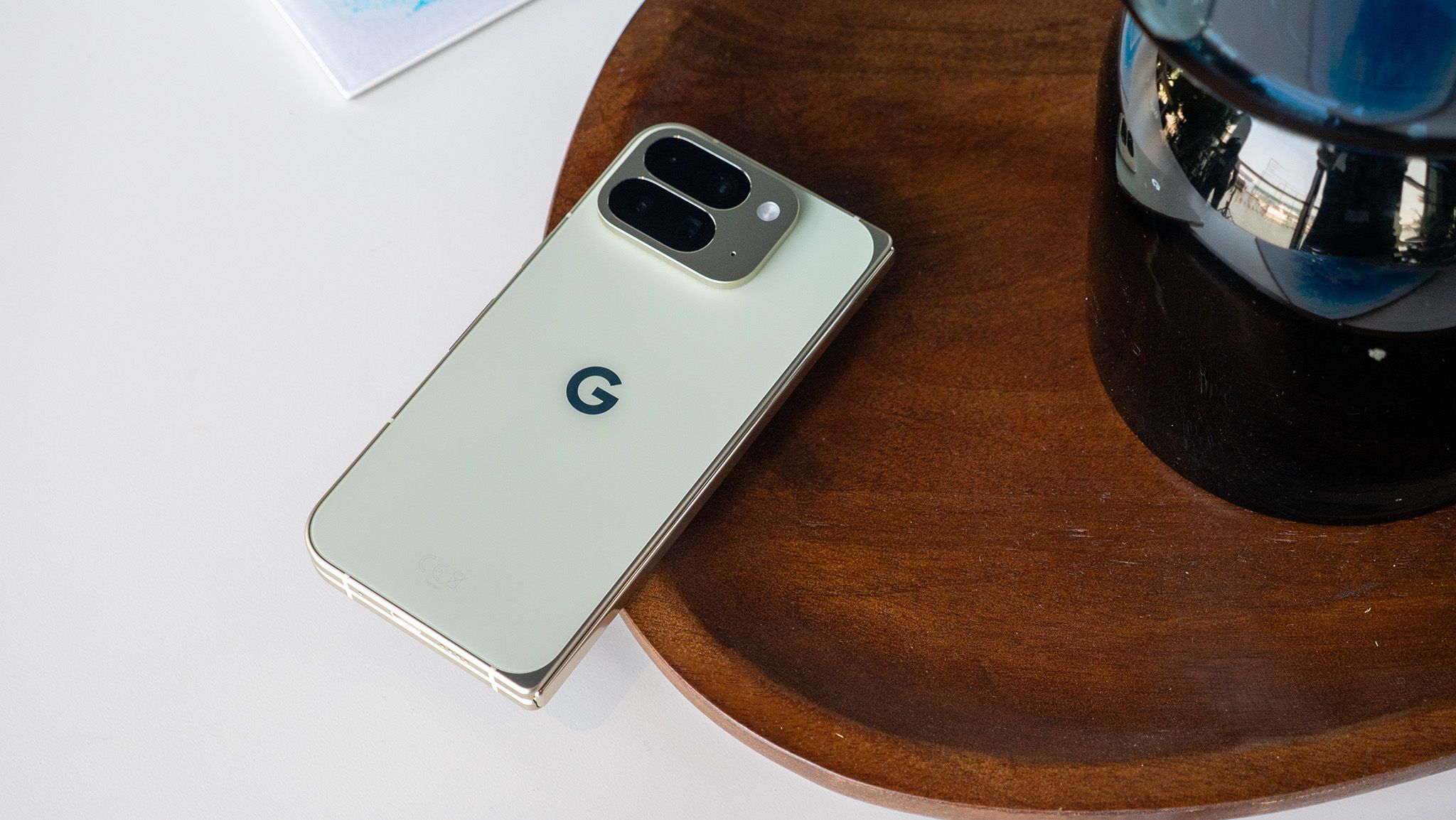
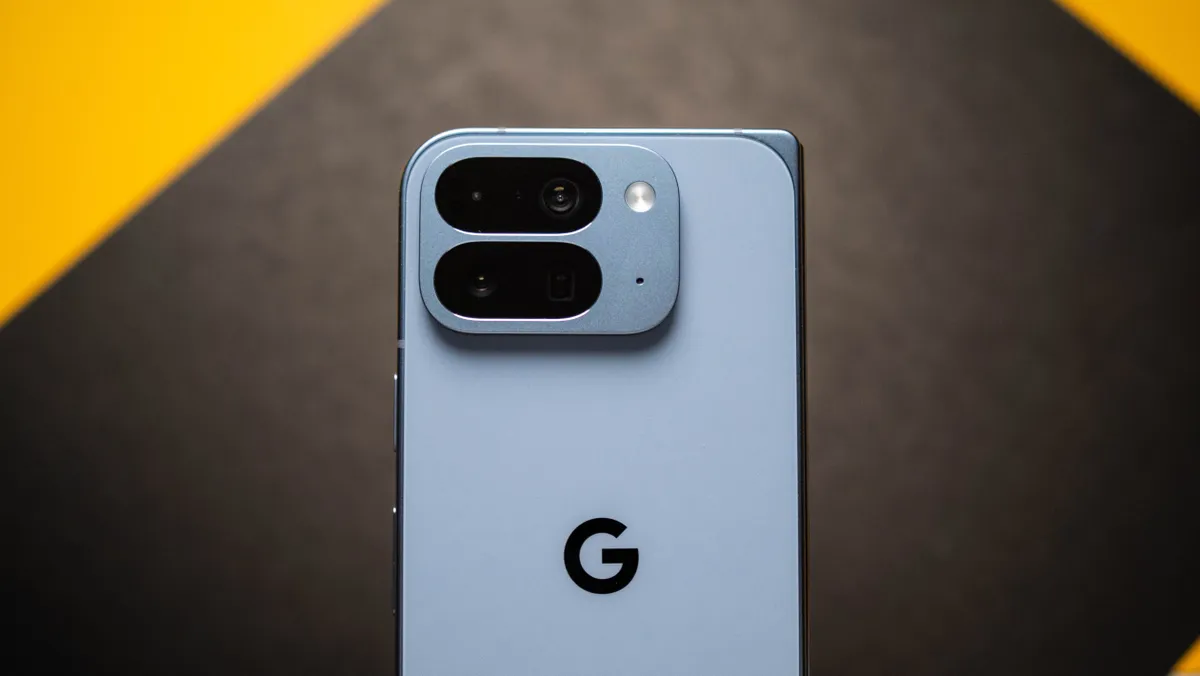
The Pixel 10 Pro Fold, on the other hand, sticks to the same design language as the Pixel 9 Pro Fold. You get a large camera module on the back, a clean glass finish with the ‘G’ logo, curved edges on one side, a wider cover display, and a slightly wider-than-tall inner display when unfolded.
While we don’t have exact dimensions for the Galaxy Z Fold 8 yet, the Pixel 10 Pro Fold will likely remain thicker and heavier. For context, the Galaxy Z Fold 7 came in at around 8.9mm when folded, while the Pixel 10 Pro Fold is about 10.8mm thick and weighs around 258g, so that gives you a rough idea of how they compare.
One area where the Pixel 10 Pro Fold could continue to lead is durability. It offers IP68 dust and water resistance, which is rare for foldables and closer to what we see on traditional smartphones. Samsung, on the other hand, will likely stick with IP48 on the Galaxy Z Fold 8, which still falls behind in this area.

According to leaks, Samsung is expected to keep the same 8-inch inner display and 6.5-inch cover display. The big upgrade this year could be a much less visible crease. We’ve already seen solutions like the ‘zero-feel crease’ on devices like the Oppo Find N6, and it looks like Samsung may finally be catching up here, which would be a big win for usability.
The Pixel 10 Pro Fold features a slightly smaller 6.4-inch cover display, but the inner display is also around 8 inches. Both displays can reach up to 3,000 nits of peak brightness, which is not something all foldables currently offer.
Samsung Galaxy Z Fold 8 vs. Pixel 10 Pro Fold: Hardware and specs

Samsung traditionally ships the Galaxy Z Fold devices with top-tier chipsets, and I expect the same with the Galaxy Z Fold 8. You can expect it to be powered by the Snapdragon 8 Elite Gen 5 chipset, likely the same “for-Galaxy” variant as the Galaxy S26 Ultra.
The Pixel 10 Pro Fold, on the other hand, is powered by the Tensor G5, the same chip used across the Pixel 10 lineup. It’s Google’s first TSMC-made 3nm chipset, and while it’s a big step up over the Tensor G4 in terms of performance and efficiency, it’ll likely still fall behind the Snapdragon 8 Elite Gen 5 in raw power.
|
Category |
Samsung Galaxy Z Fold 8 (Rumored) |
Google Pixel 10 Pro Fold |
|---|---|---|
|
Operating System |
One UI 9 (Android 17) |
Android 16, seven years of OS upgrades |
|
Display |
Inner: 8-inch LTPO AMOLED, 120Hz, crease-less; |
Inner: 8-inch LTPO OLED, 120Hz, 2076 × 2152 pixels, 3000 nits (peak); |
|
Processor |
Snapdragon 8 Elite Gen 5 for Galaxy |
Google Tensor G5 |
|
RAM |
12GB |
16GB |
|
Storage |
256GB, 512GB, 1TB |
256GB, 512GB |
|
Rear Cameras |
200MP wide, 50MP ultrawide, 12MP telephoto (3x zoom) |
48MP wide, 10.5MP ultrawide, 10.8MP telephoto (5x zoom) |
|
Front Camera |
N/A |
10MP |
|
Battery |
5,000mAh |
5,015mAh |
|
Charging |
45W wired |
30W wired, 15W wireless, Qi2 support |
|
IP Rating |
IP68 |
IP48 |
|
Weight |
258g |
N/A |
|
Dimensions |
Unfolded: 155.2 × 150.4 × 5.2 mm; |
Unfolded: 158.4 × 143.2 × 4.5 mm; |
|
Colors |
N/A |
Moonstone, Jade |
The good news, though, is that Samsung is reportedly planning to bump the battery capacity of the Galaxy Z Fold 8 to 5,000mAh this year. That would be the biggest jump the Fold series has seen since the Galaxy Z Fold 3 back in 2021.
On top of that, Samsung is also expected to increase charging speeds to 45W, which should help bring down overall charging times.
The Pixel 10 Pro Fold already comes with a 5,000mAh+ battery, so it’s still too early to say which one will offer better battery life. But one area where the Pixel clearly has an advantage is charging convenience. It supports PixelSnap, Google’s take on Qi2, with built-in magnets, meaning you can use MagSafe accessories without needing a case.
This is something Samsung skipped on the Galaxy S26 Ultra as well, and I don’t really see the company changing that approach with the Galaxy Z Fold 8 either. Technically, Qi2 support is included on the S26 Ultra DNA Z Fold 7, but a case is necessary for magnetic charging, which will likely be the case for the Z Fold 8.
Samsung Galaxy Z Fold 8 vs. Pixel 10 Pro Fold: Cameras

Samsung upgraded the main camera sensor on the Galaxy Z Fold 7 to 200MP, and this time, with the Galaxy Z Fold 8, it looks like it’s focusing on the other two sensors. Leaks suggest Samsung will ship the Galaxy Z Fold 8 with a newer ultra-wide camera, jumping from 12MP to 15MP. Reports also point to a telephoto upgrade from 10MP to 12MP, while keeping the same 3x optical zoom for sharper zoom shots.
The Pixel 10 Pro Fold, on the other hand, comes with a 48MP primary sensor, a 10.5MP ultra-wide, and a 10.8MP telephoto lens with 5x optical zoom. It’s still too early to say which one will perform better, but considering Samsung has been refreshing its camera setup over the past couple of generations, I do expect the Galaxy Z Fold 8 to have an edge here.
That said, we’ll be doing a proper camera comparison once the Galaxy Z Fold 8 launches, so keep an eye out for that.
Samsung Galaxy Z Fold 8 vs. Pixel 10 Pro Fold: Which will be the best?

Currently, with the upgrades in tow, especially things like a less visible crease and a better chipset, Samsung’s Galaxy Z Fold 8 looks poised to offer a better overall experience than the Pixel 10 Pro Fold.
The Pixel 10 Pro Fold is by no means a bad phone, and, given its improved durability, faster Android updates, and nearly 25% lower price, it’s still a very solid option. We’ll have to wait until the Galaxy Z Fold 8 officially launches to know for sure.
Z Fold refined again
The Galaxy Z Fold 8 looks like it’ll stick to incremental upgrades instead of a full redesign. Leaks point to a similar design, a new inner display with less visible crease, and possibly a larger 5,000mAh battery with faster charging, along with a few camera hardware tweaks.
Still the ‘smarter’ fold
The Pixel 10 Pro Fold is Google’s best foldable phone you can buy. The Pixel 10 Pro Fold offers IP68 dust and water protection, a new hinge design, Tensor G5 chip with improved performance and efficiency, Qi2 wireless charging support, and all the Pixel-exclusive AI features.
 By
By